Bracing for the FOMC: 3 Years of Zero Rates, QE3, and 2012 Election
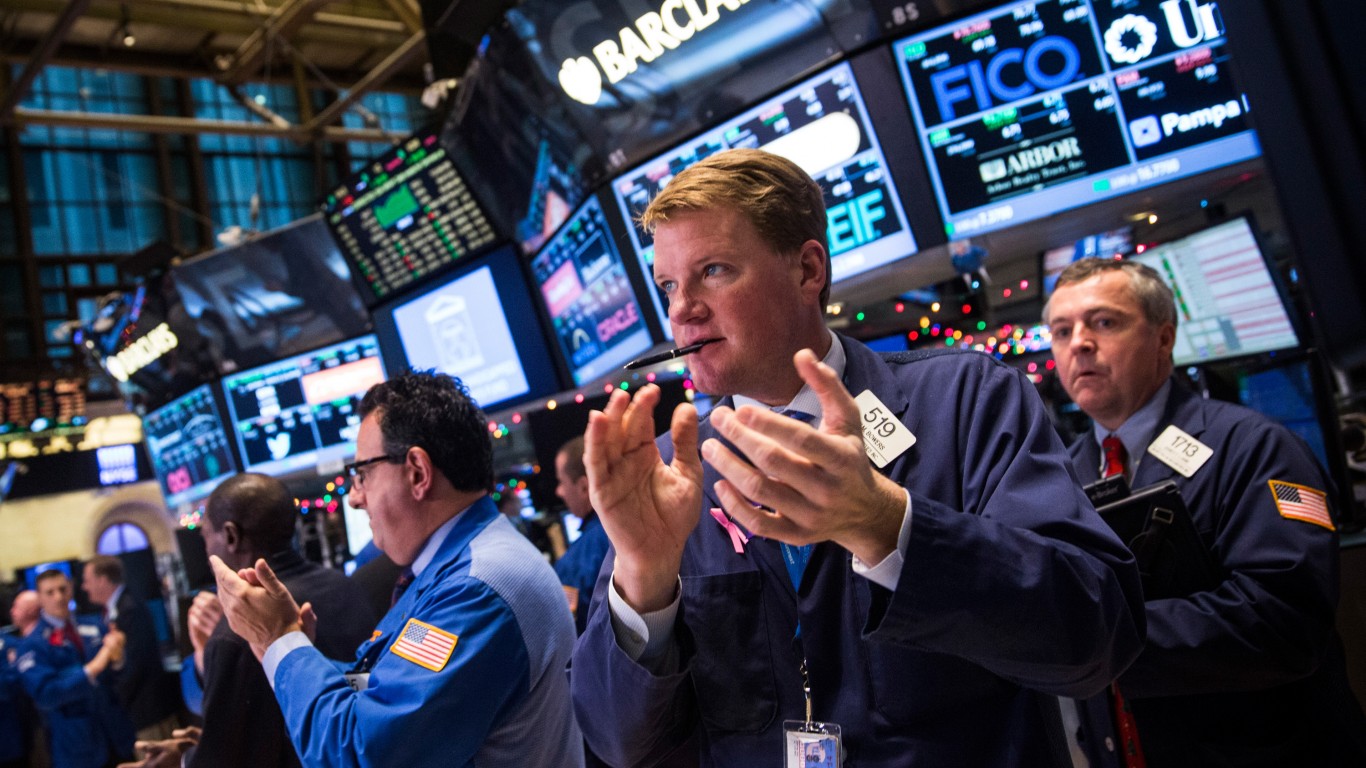
The Federal Open Market Committee is set for Tuesday, December 13. This meeting will mistakenly be deemed as less important than other meetings because the FOMC is being grossly overshadowed by the shenanigans of Europe and what their central bankers…


We are looking for more definitive longer-term goals as well as whether or not securities purchases may continue to evolve. We will be paying close attention to the interest rate cycle comments for an “unusually extended period” that has so far been promised (a promise which can be broken of course) that rates will remain exceptionally low through at least mid-2013.
One thing that not many outlets are focusing on is that this is the last pre-election cycle FOMC meeting. The first 2012 FOMC meeting is January 24 and 25 and by then there will have been the following election events: Iowa caucus (Jan. 3), New Hampshire primary (Jan. 10), and South Carolina primary (Jan. 21). The FOMC is not supposed to be influenced by nor dependent upon politics. Still, many believe that the political swings of the time can and do influence policy. It is not by accident that the head of the FOMC testifies twice a year in front of Congress.
Any long-term communications changes are likely to be pushed out to the January 24 to 25, 2012 meeting. Any new round of asset or securities purchases will be referred to as QE3 for 2012, and it seems that mortgage securities could be the large beneficiary. You would think that the GSE status of Fannie Mae and Freddie Mac gives the taxpayers enough exposure to the world of mortgages, but these are not normal times.
Canaccord Genuity called it… “This is just a sideshow to what is going on in Europe.”
One take is out there signaling that the meeting may be more important than we believe. Credit Suisse noted that the FOMC seems poised to revamp its communications strategy soon. Credit Suisse also believes that there is a growing chance of QE3 coming down the pipe in 2012, likely before the so-called “Operation Twist” is set to end around June of 2012.
JON C. OGG
Contact [email protected] for any questions or corrections.
Jon Ogg has been a financial news analyst since 1997. Mr. Ogg set up one of the first audio squawk box services for traders called TTN, which he sold in 2003. He has previously worked as a licensed broker to some of the top U.S. and E.U. financial institutions, managed capital, and has raised private capital at the seed and venture stage. He has lived in Copenhagen, Denmark, as well as New York and Chicago, and he now lives in Houston, Texas. Jon received a Bachelor of Business Administration in finance at University of Houston in 1992. www.247wallst.com.