Why Latin America is unlikely to form an OPEC-like cartel for lithium
Demand, regional politics likely to hold back competition with China, Australia.

(Michael Molinski is a senior economist at Trendline Economics. He’s worked for Fidelity, Charles Schwab and Wells Fargo, and previously as a foreign correspondent and editor for Bloomberg News and MarketWatch.)
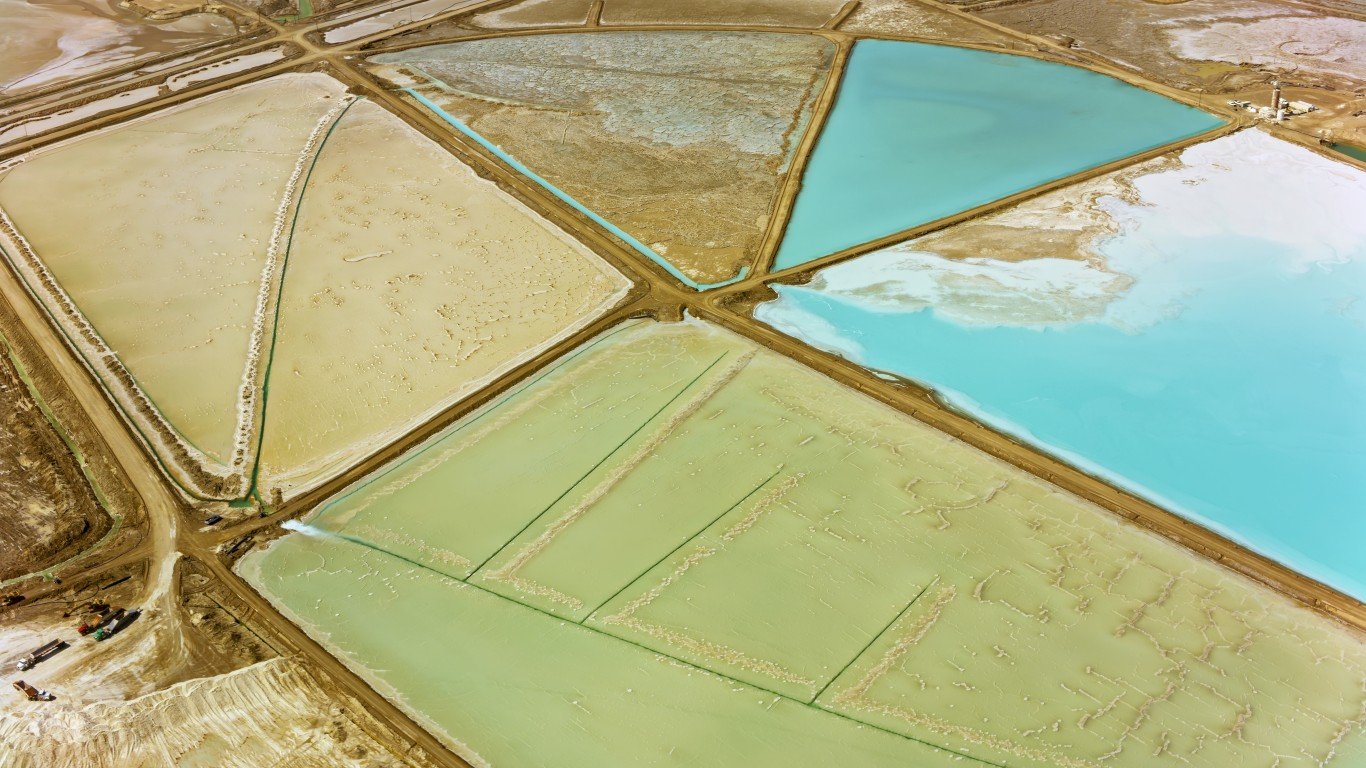
SANTIAGO, Chile (Callaway Climate Insights) — Chile, the world’s second-largest producer of lithium, announced plans last month to bring the industry under state control. Bolivia, Argentina and Chile have already hinted at creating a cartel that would oversee the production and prices of lithium, much like the Organization of the Petroleum Exporting Countries. Brazil, Peru and Mexico may join, too.
But there’s one thing holding back from making those dreams a reality — demand.
Unlike oil, lithium is not a transactional commodity. You can’t pump your gas tank full of lithium…
Subscribe to Callaway Climate Insights to keep reading this post and get 7 days of free access to the full post archives.
Contact [email protected] for any questions or corrections.
Trey has been an editor and author at 24/7 Wall St. for more than a decade, where he has published thousands of articles analyzing corporate earnings, dividend stocks, short interest, insider buying, private equity, and market trends. His comprehensive coverage spans the full spectrum of financial markets, from blue-chip stalwarts to emerging growth companies.
Beyond 24/7 Wall St., Trey has created and edited financial content for Benzinga and AOL's BloggingStocks, contributing additional hundreds of articles to the investment community.
Trey's editorial expertise extends across multiple publishing environments. He served as production editor at Dearborn Financial Publishing and development editor at Kaplan, where he helped shape financial education materials. Earlier in his career, he worked as a writer-producer at SVE. His freelance editing portfolio includes work for prestigious clients such as Sage Publications, Rand McNally, the Institute for Supply Management, the American Library Association, Eggplant Literary Productions, and Spiegel.
Outside of financial journalism, Trey writes fiction and has been an active member of the writing community for years, moderating workshop sessions at regional conventions.