Why Uranium ETFs Are Going Nuclear
The demand for uranium has been rising thanks to renewed interest in alternative sources of energy as governments around the world try to tackle climate change.

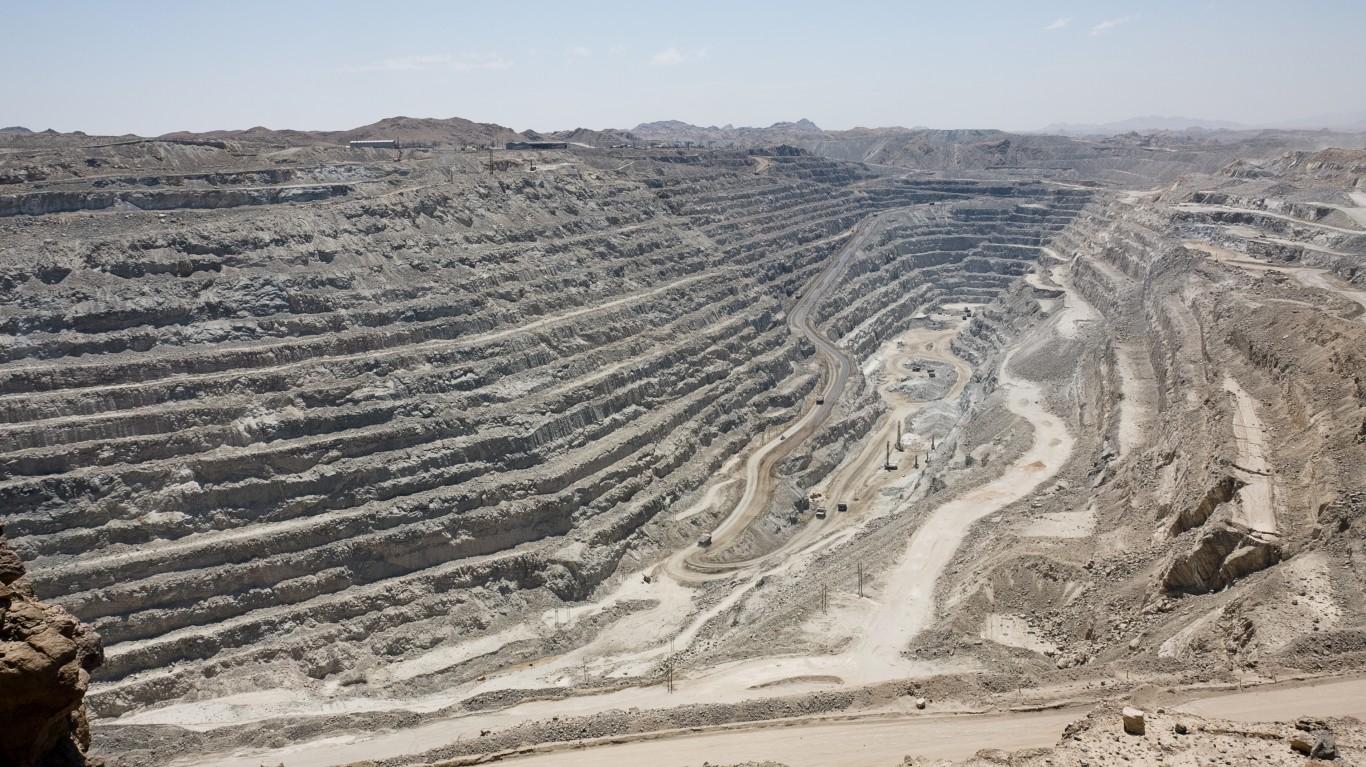
Uranium prices have jumped more than 30% this year to their highest level in 12 years, making it one of the top-performing commodities. They are still below levels seen before the Fukushima disaster, which led to a “lost decade” for nuclear markets.
The demand for uranium has been rising thanks to renewed interest in alternative sources of energy as governments around the world try to tackle climate change and reduce dependence on fossil fuels.
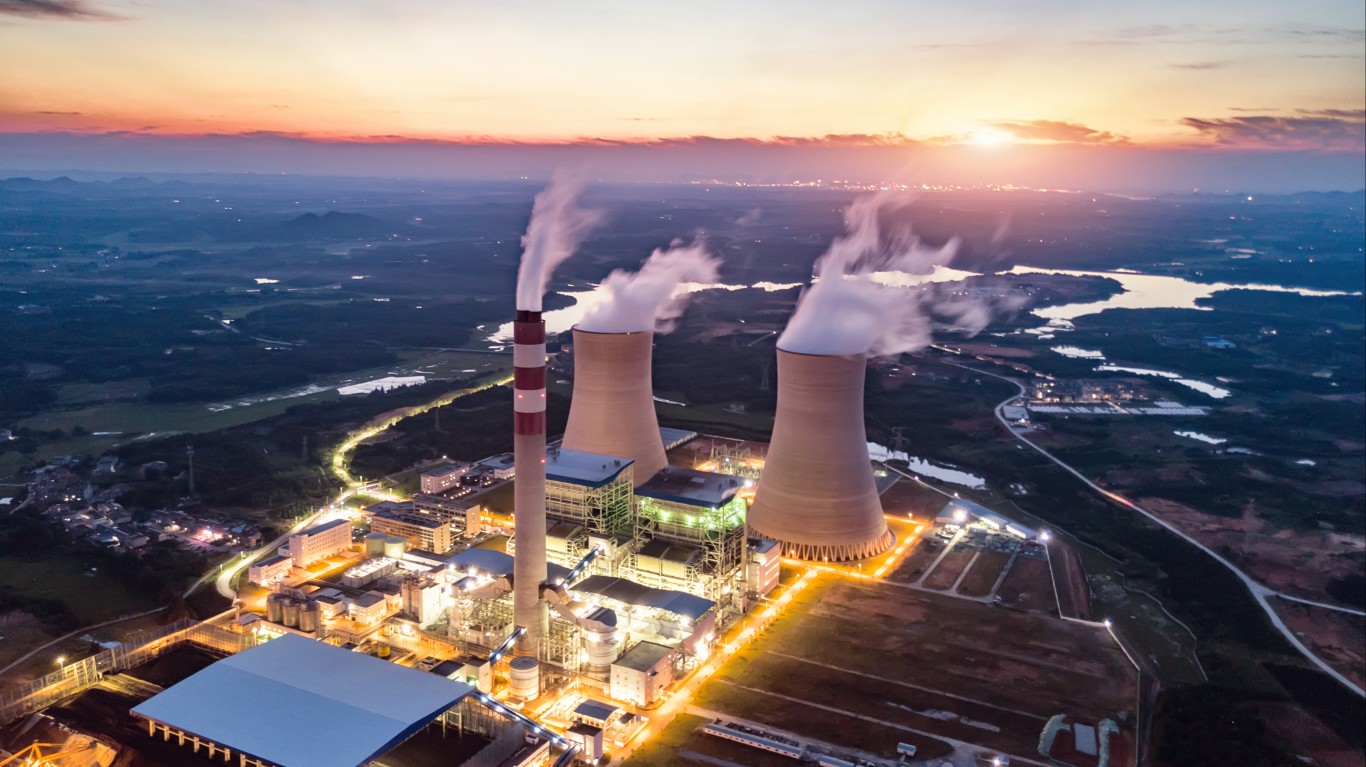
Uranium, used mainly in nuclear power plants, is one of the cleanest ways to produce electricity. However, nuclear energy currently accounts for just about 10% of electricity generation globally, and about 20% in developed countries, including the US.
While new reactors have come online, many existing reactors are extending their operating licenses, and old reactors are restarting, supply has become a big challenge. 434 nuclear power plants operate worldwide currently, with 59 under construction and 111 more planned, per Sprott Asset Management.
Russia, Kazakhstan, and Uzbekistan, two former Soviet republics, control more than 55% of global uranium mined supply. Further, Russia accounts for nearly 45% of the global market for uranium conversion and enrichment, per Bloomberg.
The recent coup in Niger, which accounts for about 5% of the global uranium supply, has added to supply concerns.
So far, the US government hasn’t banned imports of Russian nuclear fuel, but there are bills to reduce or ban these imports in the House of Representatives and Senate, per WSJ.
Tesla TSLA CEO Elon Musk, Microsoft MSFT founder Bill Gates, and legendary investor Warren Buffett are among the big supporters of nuclear energy.
To learn about the Global X Uranium ETF URA, Sprott Uranium Miners ETF URNM and VanEck Uranium+Nuclear Energy ETF NLR, please watch the short video above.
Microsoft Corporation (MSFT): Free Stock Analysis Report
Tesla, Inc. (TSLA): Free Stock Analysis Report
VanEck Uranium+Nuclear Energy ETF (NLR): ETF Research Reports
Global X Uranium ETF (URA): ETF Research Reports
Sprott Uranium Miners ETF (URNM): ETF Research Reports
To read this article on Zacks.com click here.
This article originally appeared on Zacks
Contact [email protected] for any questions or corrections.