My first Social Security check came early and now I’m so confused
Government agencies aren’t exactly known for being efficiently run. So you might encounter your share of delays when dealing with one. That extends to Social Security. It’s a good idea to apply for benefits at least a month before…

This post may contain links from our sponsors and affiliates, and Flywheel Publishing may receive compensation for actions taken through them.
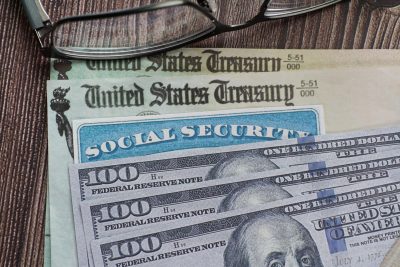
Government agencies aren’t exactly known for being efficiently run. So you might encounter your share of delays when dealing with one.
That extends to Social Security.
It’s a good idea to apply for benefits at least a month before you expect to need that money. That gives the Social Security Administration (SSA) time to process your claim. And even then, there can still be delays.
In this Reddit post, we have the opposite situation, though.
The poster says they got paid by Social Security two weeks earlier than expected. And while that’s not a bad thing, they want to get to the bottom of the matter.
How Social Security timing usually works
Typically, it takes about a month for the SSA to approve your application for benefits and issue your first payment. So if you apply for benefits at the start of May, you can generally expect to receive your first payment in June.
There can be exceptions, though. It may be that the SSA needs more information to process your claim, which could hold up the process.
The timing of your Social Security payments also depends on your date of birth.
People with a date of birth between the 1st and 10th day of the month typically receive their Social Security payments on the second Wednesday of every month. Those with a date of birth between the 11th and 20th usually get paid by Social Security the third Wednesday of every month, while those with birthdays between the 21st and 31st get paid the fourth Wednesday of every month.
Getting back to the timing of your first check, though, that could hinge on different factors. But in the post above, the poster says they applied for Social Security in April and didn’t expect to get paid until June. However, they received their money in May and were surprised.
That’s not so unusual, though. It could just mean their claim got processed quickly.
Always track your Social Security payments
It’s an important thing to track your Social Security payments to make sure you’re getting the right amount of money each month and that you aren’t missing payments. To that end, you should log into your SSA.gov account and check your payment history on a monthly basis.
You should also know that payments might show up from Social Security that don’t follow the pattern above. It may be, for example, that you’re entitled to a retroactive payment at some point. So in that case, you’d potentially get a lump sum payment outside of your normal schedule.
But any time you see money come in from Social Security that you weren’t expecting, it’s a good idea to contact the SSA and dig deeper.
The SSA has been known to make erroneous payments in the past. And what you don’t want is for the SSA to send you money you weren’t entitled to and try to claw it back later after you’ve spent it.
In the post above, that doesn’t seem to be what’s happening. It seems as though the poster’s claim for benefits simply got processed quickly. But it’s always a good idea to be vigilant, just in case.
Contact [email protected] for any questions or corrections.
Maurie Backman has more than a decade of experience writing about financial topics, including retirement, investing, Social Security, and real estate. Her work has appeared on sites that include The Motley Fool, USA Today, U.S. News & World Report, and Kiplinger.
Prior to becoming a full-time financial writer, Maurie worked in the financial industry trading distressed debt. She then changed course and spent a few years designing electronic toys. After a stint in content marketing and UX, she shifted back into writing and has since covered everything from the housing market to estate planning to Medicare.
When she's not busy writing, Maurie can be found hiking, walking her dogs, driving her kids to their various sports practices and games, and curling up with a good book. She cooks on occasion and bakes way too often.