Did Trump Just Save the Dying Coal Industry?
Coal’s Long Fade-Out It’s no secret that coal, as an energy source, has been dying. Coal-fired power plants have been in a secular decline for years due to lower-cost natural gas. From 2010 to 2024, 290 coal plants closed, representing…

Coal’s Long Fade-Out
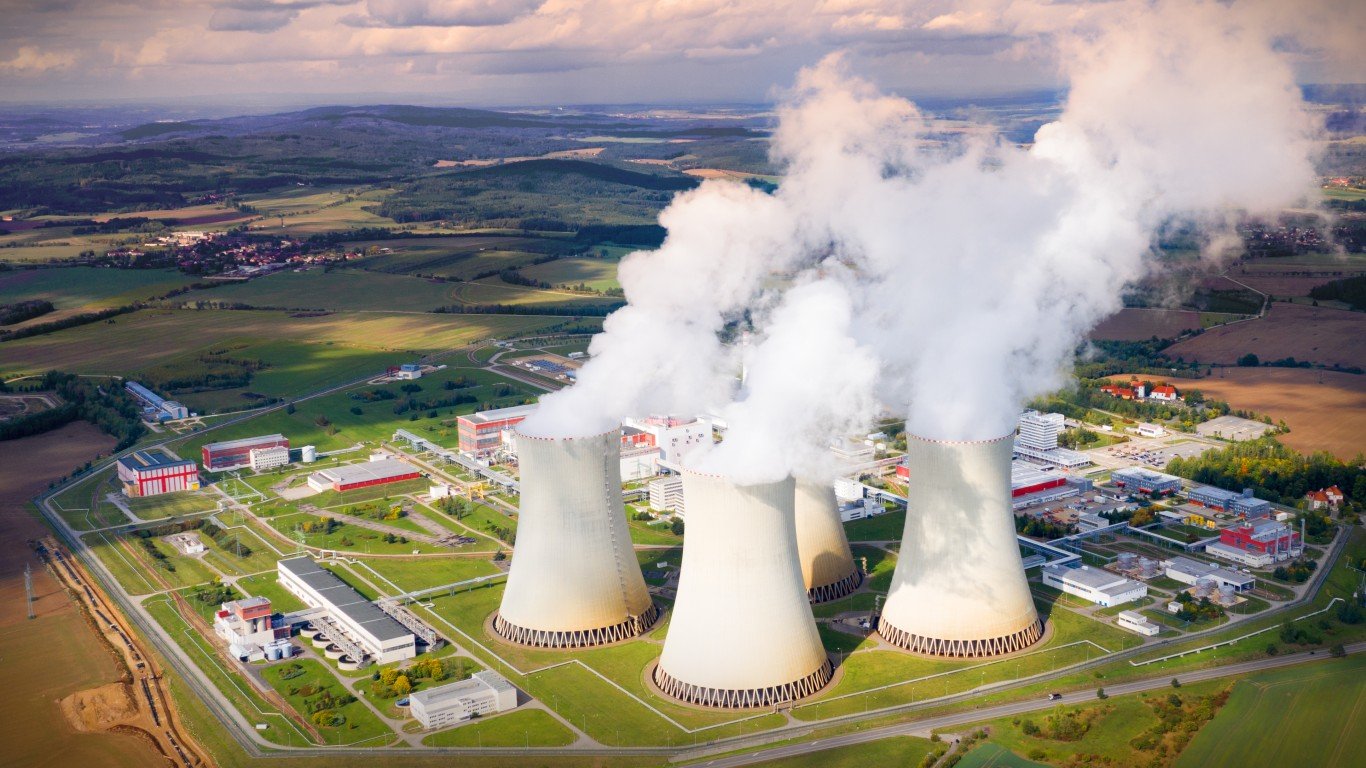
It’s no secret that coal, as an energy source, has been dying. Coal-fired power plants have been in a secular decline for years due to lower-cost natural gas. From 2010 to 2024, 290 coal plants closed, representing 40% of U.S. coal generating capacity. That’s over 100 gigawatts of capacity retired, with another 80 gigawatts slated to shut by 2030. No new large-scale coal plants have been permitted since 2010, as environmental regulations and cheaper alternatives like fracking-boosted gas made them uneconomic.
The animus toward coal extends to Europe, where phase-out policies dominate. Germany, for instance, plans to close its last coal plant no later than 2038, though it temporarily reactivated some during the 2022 energy crisis sparked by Russia’s invasion of Ukraine. Eleven EU countries aim to eliminate coal from their electricity mix by 2030, with coal’s share dropping from 16% in 2019 to under 10% in 2024.
Yet with the insatiable demand for electricity caused by artificial intelligence (AI) — data centers could consume as much power as Japan by 2030 — and existing capacity unable to meet expected surges, an “all of the above” strategy will be necessary, including coal. Projections show AI-driven U.S. electricity demand doubling data center needs by 2026, potentially adding 1.7 gigatons of global emissions if met by fossil fuels.
China, though, still uses coal — the World Nuclear Association pegs it at 62% of total electricity production — but without a similar commitment elsewhere, is there any hope for the industry’s survival?
Trump Tosses Coal a Lifeline
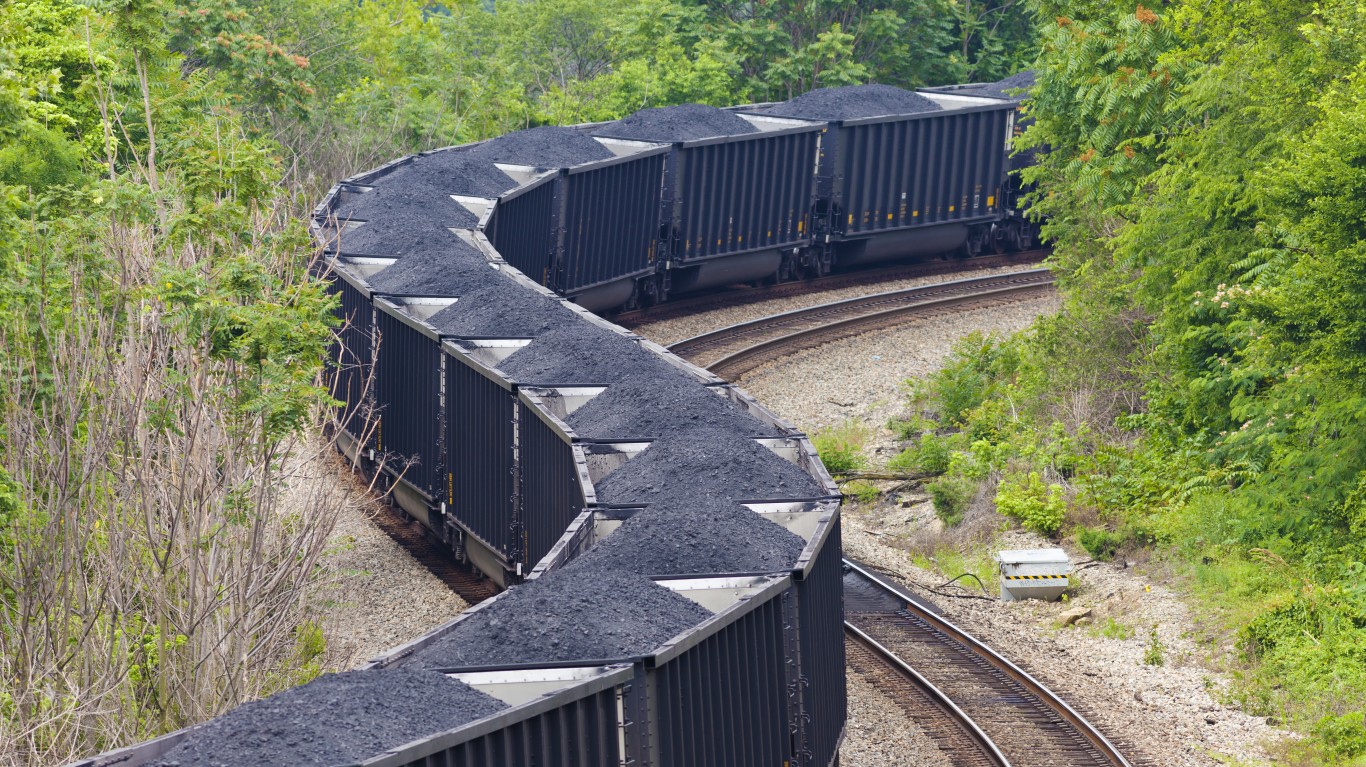
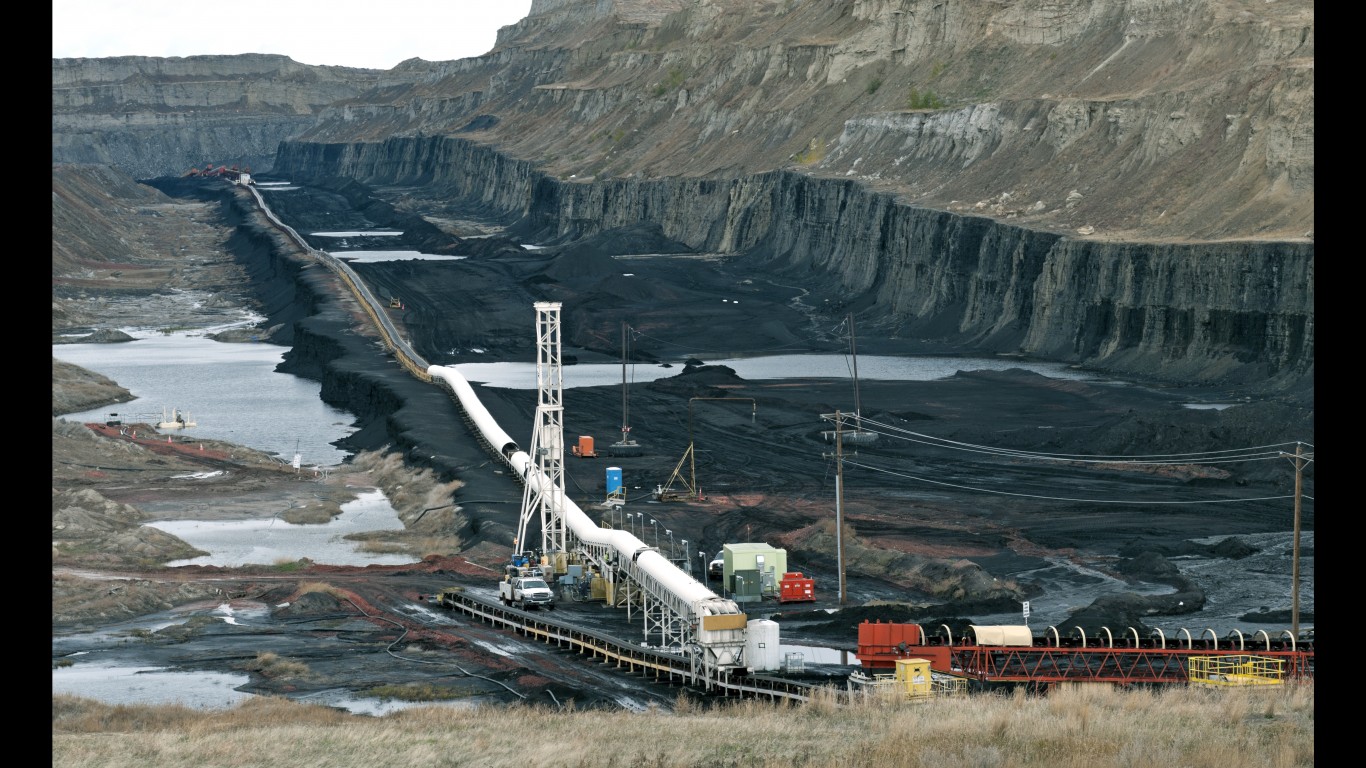
President Trump’s latest move aims to jolt the coal sector back to life. This morning, his administration announced an initiative opening 13.1 million acres of federal land — mostly in the Powder River Basin — for leasing to coal miners. This reverses Biden-era restrictions and prioritizes extraction in a region that produces 40% of U.S. coal.
Paired with it is $625 million in funding for power plants that burn the fuel, including $350 million for modernization and capacity upgrades to extend operations. Energy Secretary Christopher Wright called it “critical for America’s industrial power,” tying it to AI data centers’ surging needs and lower energy costs.
The plan fits Trump’s broader push: executive orders to fast-track mine permits, exempt plants from EPA rules, and force some to stay open. It’s designed to counter coal’s slide, where active federal leases have halved since the 1990s to about 280.
Proponents argue it could boost thermal coal output by 9% in 2025, meeting AI-fueled demand without waiting years for new gas or nuclear builds plants to be built.
Mixed Reaction Among Coal Stocks
The potential for reviving coal stocks is real but muted so far. Peabody Energy (NYSE:BTU | BTU Price Prediction), a major producer, could gain from Powder River access, where it operates key mines. The leasing expands viable sites, potentially lifting output and margins if prices hold amid global demand.
Alliance Resource Partners (NASDAQ:ARLP), focused on Appalachia thermal coal, might see indirect benefits from plant funding that sustains buyers. Natural Resource Partners (NYSE:NRP), which earns royalties from coal production and leasing, could benefit directly from expanded federal land access, as more mining boosts its revenue stream tied to output from leased properties.
Analysts note the initiative faces legal hurdles from environmental groups and may take years to yield leases — permitting alone could lag demand spikes from AI. Most coal stocks aren’t reacting strongly. In morning trading today, BTU is the big mover, up nearly 5% to $25.65 per share while ARLP is up 1% to $24.80 per share. NRP, however, is down 0.5% to $103.53 per share.
Will this be enough to save the coal industry? While it props up existing assets, the announcement doesn’t reverse renewables’ cost edge or plant closures. AI demand helps — data centers favor reliable baseload like coal short-term — but gas and solar scale faster. Production forecasts show modest 2025 gains, but long-term, coal’s share of U.S. power could dip below 15%. This seems more like a bandage, not a cure.
Key Takeaway
Is this too little, too late? Trump’s moves add tailwinds, but structural headwinds persist. AI could revive growth if data centers lock in coal contracts for reliability and utilization rises.
For risk-tolerant buyers, BTU looks compelling at current valuations (a forward P/E of 12x), offering dividend yields of 1.2% and upside from met coal for steel. ARLP suits income seekers — it yields 11% annually — while NRP’s royalty model offers stability, but there is limited growth unless leasing accelerates.
Selective buys in the industry make sense if AI demand materializes, but don’t bet the farm — coal’s revival is more spark than fire.
Contact [email protected] for any questions or corrections.
After two decades of patrolling the dark corners of suburbia as a police officer, Rich Duprey hung up his badge and gun to begin writing full time about stocks and investing. For the past 20 years, he’s been cruising the markets looking for companies to lock up as long-term holdings in a portfolio while writing extensively on the broad sectors of consumer goods, technology, and industrials. Because his experience isn’t from the typical financial analyst track, Rich is able to break down complex topics into understandable and useful action points for the average investor. His writings have appeared on The Motley Fool, InvestorPlace, Yahoo! Finance, Money Morning, and, of course, 24/7 Wall St. He has been featured in both U.S. and international publications, including MarketWatch, Financial Times, Forbes, Fast Company, and USA Today.