After a 33% Target Rally, Is a Buyout Still in Play?
Target (NYSE: TGT | TGT Price Prediction) stock has staged an impressive rebound since October, climbing 33% from its October lows to reach $118.98 as of February 20, 2026. The rally has lifted the retailer’s market cap to approximately $53.9…

This post may contain links from our sponsors and affiliates, and Flywheel Publishing may receive compensation for actions taken through them.
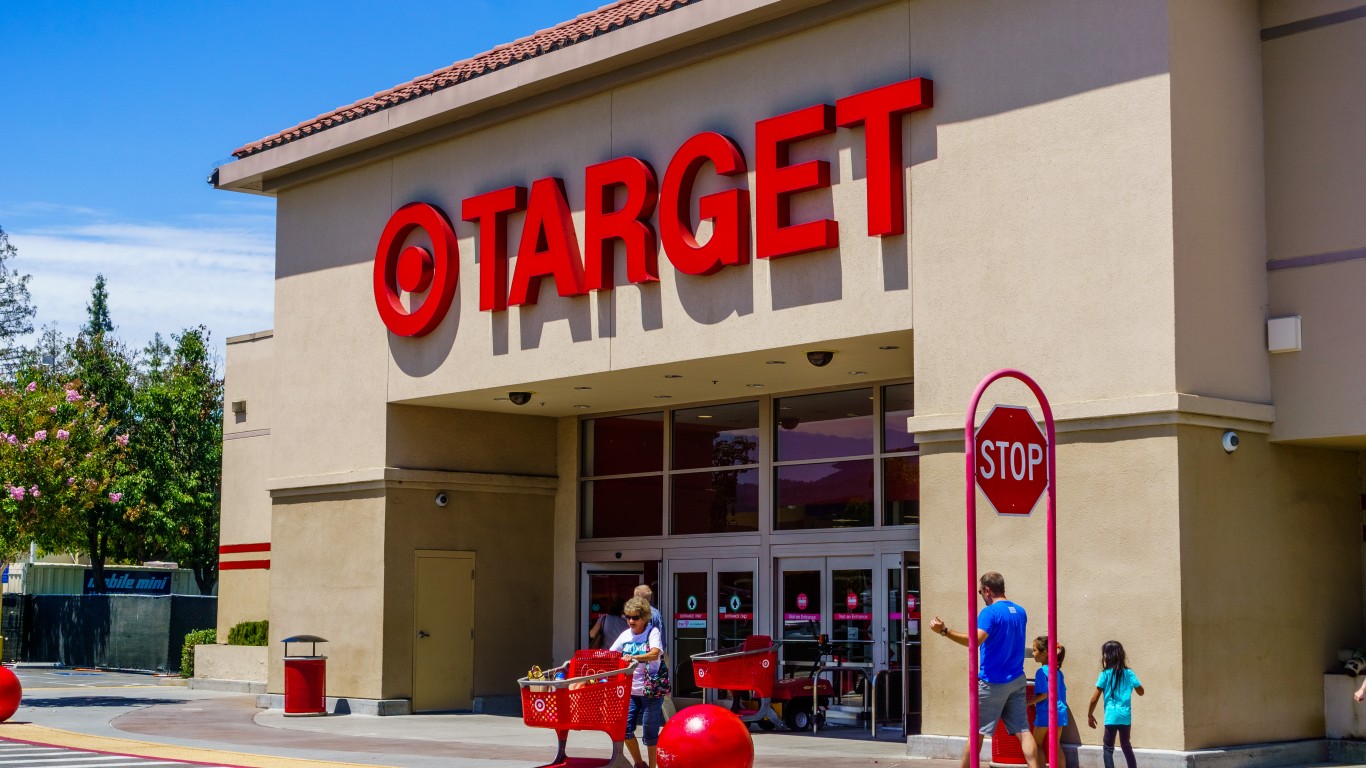
Target (NYSE: TGT | TGT Price Prediction) stock has staged an impressive rebound since October, climbing 33% from its October lows to reach $118.98 as of February 20, 2026. The rally has lifted the retailer’s market cap to approximately $53.9 billion, raising a natural question for investors: has the recovery priced out a potential buyout, or does the structural case for a take-private transaction still exist?
The Turnaround Taking Shape
Target’s recent momentum reflects tangible operational progress under new CEO Michael Fiddelke, who replaced longtime leader Brian Cornell. The company is executing a three-pronged strategy: solidifying merchandising authority, elevating the shopping experience, and leveraging AI-powered technology for faster decision-making.
Early results show promise. The company’s FUN 101 transformation delivered nearly 10% comp growth in toys during Q3, while digital comparable sales rose 2.4%. Same-day delivery surged more than 35%, and the retailer is expanding next-day shipping to over half the U.S. population. Management also announced a $5 billion capital expenditure plan for 2026, the largest store transformation investment in a decade.
Analyst sentiment is shifting, with the consensus price target at $103.81 as Wall Street weighs the pace of the operational recovery.
The Headwinds That Remain
Despite the rally, Target’s challenges persist. Revenue declined 1.43% year-over-year in Q3, while operating income fell 18.91% to $948 million. Management guided to a low-single digit sales decline in Q4, indicating the turnaround remains early-stage.
The macro environment adds pressure. Consumer sentiment sits at 52.9, near recessionary levels and down 18.2% year-over-year. While broader retail sales grew 3.3% year-over-year to $735 billion in December, Target’s underperformance suggests company-specific issues rather than sector weakness.
Analyst views remain divided, with a consensus that implies potential downside from current levels.
Is a Buyout Still Viable?
The structural case for a take-private transaction remains intact. At roughly $54 billion in market cap, Target sits within reach of a private equity consortium, particularly given its strong brand equity and valuable real estate portfolio. The company trades at 14x trailing earnings, modest for a retailer with this level of brand recognition.
However, the 33% recovery has materially increased the acquisition price tag. More importantly, prediction markets show zero active contracts related to TGT buyout probability, suggesting investors aren’t pricing in M&A activity. Management’s focus on organic transformation and the March 3, 2026, financial community meeting in Minneapolis signal commitment to an independent turnaround.
Target carries 50+ years of consecutive dividend increases and $8.3 billion in buyback capacity, though execution risk remains elevated. The buyout angle, while structurally plausible, appears more speculative than imminent.
Contact [email protected] for any questions or corrections.
Trey has been an editor and author at 24/7 Wall St. for more than a decade, where he has published thousands of articles analyzing corporate earnings, dividend stocks, short interest, insider buying, private equity, and market trends. His comprehensive coverage spans the full spectrum of financial markets, from blue-chip stalwarts to emerging growth companies.
Beyond 24/7 Wall St., Trey has created and edited financial content for Benzinga and AOL's BloggingStocks, contributing additional hundreds of articles to the investment community.
Trey's editorial expertise extends across multiple publishing environments. He served as production editor at Dearborn Financial Publishing and development editor at Kaplan, where he helped shape financial education materials. Earlier in his career, he worked as a writer-producer at SVE. His freelance editing portfolio includes work for prestigious clients such as Sage Publications, Rand McNally, the Institute for Supply Management, the American Library Association, Eggplant Literary Productions, and Spiegel.
Outside of financial journalism, Trey writes fiction and has been an active member of the writing community for years, moderating workshop sessions at regional conventions.