Bitcoin’s 12-Year Relationship With the Dollar Just Broke
The Bitcoin price has fallen every single time the dollar has rallied since 2014. When the Dollar Index spiked to 114 in 2022, Bitcoin (CRYPTO: BTC) dropped from $47,000 to $16,000 over roughly 11 months. The inverse relationship between Bitcoin…

This post may contain links from our sponsors and affiliates, and Flywheel Publishing may receive compensation for actions taken through them.

The Bitcoin price has fallen every single time the dollar has rallied since 2014. When the Dollar Index spiked to 114 in 2022, Bitcoin (CRYPTO: BTC) dropped from $47,000 to $16,000 over roughly 11 months. The inverse relationship between Bitcoin and the dollar was so consistent that traders built entire strategies around it.
However, on March 3, the dollar hit a three-month high at 99.4 while the Nasdaq 100 dropped 1% and gold fell 3.6%—but Bitcoin didn’t flinch, holding above $68,000 as $1.5 billion in fresh ETF capital flowed in.
Bitcoin showing this kind of resilience while the dollar surges—and stocks and gold both drop—is nearly unheard of across its 12-year trading history. So what caused this shift in the Bitcoin and dollar relationship, and could this be the turning point for a BTC recovery?
Why Bitcoin Stopped Falling When the Dollar Rose

When the Fed hiked rates aggressively in 2022, the DXY climbed to a 20-year high above 114 because capital rushed into the dollar for safety. This sucked liquidity out of everything risky, and Bitcoin—as the most speculative major asset at the time—got hit the hardest. The dollar going up wasn’t really the cause of the Bitcoin price going down as both were responding to the same thing: the Fed tightening the money supply.
Early 2026 has followed the same Dollar rise pattern but the bitcoin reaction played out differently this time. The DXY climbed from 96.6 to 99.4 in three weeks, driven by safe-haven flows from the Iran conflict and expectations around incoming Fed chair Kevin Warsh. Under the old rules, this kind of dollar strength should have dragged the Bitcoin price lower. Instead, BTC held above $68,000 on the same day the Nasdaq 100 fell 1% and gold dropped 3.6%.
Bitcoin also pulled away from tech stocks during the same stretch. The 30-day correlation between Bitcoin and the Nasdaq 100 dropped from 92% to 69%, after spending most of 2025 moving almost in lockstep with equities. Bitcoin and stocks are decoupling at the same time Bitcoin and the dollar stopped moving in opposite directions.
Roughly $90 billion in spot Bitcoin ETFs has turned BTC into a portfolio asset that pension funds, endowments, and wealth managers hold alongside stocks and bonds. Over $1.5 billion has flowed into Bitcoin ETFs in the past seven days despite the dollar was rising, showing Bitcoin’s conviction—something that wouldn’t have happened two years ago. JPMorgan’s 2026 analysis backs this up: the BTC price correlation with the DXY has flipped positive, and Bitcoin now trades more like a macro asset than a currency hedge.
Is Bitcoin Still a Hedge Against the Dollar
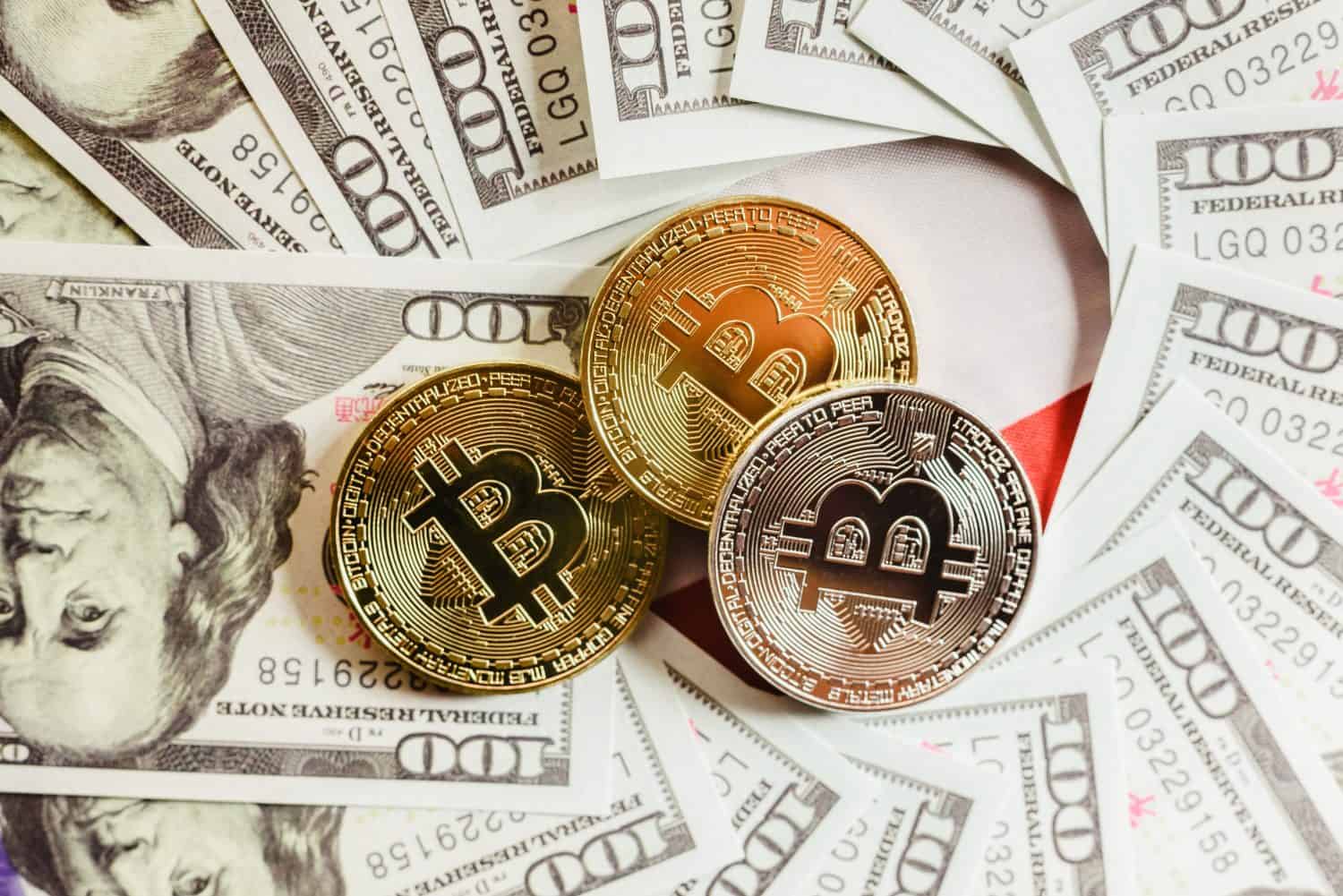
A weak dollar pushes investors toward alternatives like Bitcoin, and a strong dollar pulls them back—that pattern held for over a decade and was proven in both directions when the DXY hit 114 in 2022 while Bitcoin lost 65% of its value.
The 2022 dollar surge happened because the Fed was draining liquidity from the system through aggressive rate hikes, which crushed risk assets across the board. In 2026, the dollar is climbing for a different reason—capital is flowing into U.S. assets for safety. The Iran conflict, oil volatility, and the Warsh Fed nomination are all driving money toward dollar-denominated assets, and Bitcoin is now one of them, sitting inside $90 billion worth of regulated ETF products.
The shift is also showing up in how Bitcoin and gold are behaving relative to each other. Gold is up roughly 77% over the past year and trading above $5,000, absorbing the geopolitical fear trade that Bitcoin used to compete for. The BTC-to-gold ratio hit its lowest recorded level in early 2026, which tells you institutions are choosing gold when they want crisis protection and Bitcoin when they want exposure to capital flows—a dynamic some are calling the “Great Decoupling” between two assets that used to move together.
Bitcoin still benefits long-term when governments run trillion-dollar deficits and the Fed eventually has to print its way out. But it no longer automatically drops when the dollar gets strong in the short term, because ETF integration has changed who owns it and why. That said, if Warsh follows through on tightening—real rate hikes and a liquidity drain like 2022—the old inverse pattern between the BTC price and the dollar could return faster than most holders expect.
BTC Price Prediction: What the Dollar Shift Means for 2026
Bitcoin’s direction for the rest of 2026 depends on which type of dollar strength plays out. Capital-driven strength—where money flows into the US for safety—has been keeping Bitcoin afloat alongside the dollar. Liquidity-driven strength—where the Fed actively tightens—is what crushed it in 2022. The DXY level, ETF flows, and Warsh’s first policy moves will determine which scenario wins.
Bull Case ($120,000–$150,000)
If the DXY pulls back toward 95–96 as Iran tensions ease and the Fed signals patience under Warsh, Bitcoin gets a double tailwind from both a weakening dollar and continued ETF demand. Standard Chartered still targets $150,000 for BTC by year-end, and Grayscale expects a new all-time high in the first half. A sustained break above $75,000—the level traders are watching as confirmation the bear market is over—would open the path toward $120,000–$150,000.
Base Case ($65,000–$90,000)
Should the DXY stay range-bound between 97–100, the Bitcoin price would likely consolidates between $65,000–$90,000 through mid-year. ETF outflows dropped 94% from November’s $3.48 billion peak to just $206 million in February, so the bleeding is slowing, but without a clear catalyst to flip flows positive, the BTC price would grind rather than break out. The correlation with the S&P 500 at 0.55 keeps Bitcoin tied to stock market sentiment for now.
Bear Case ($56,000–$62,000)
A sustained DXY move above 100 combined with Warsh signaling rate hikes would bring back the conditions that crushed Bitcoin in 2022. Another wave of ETF outflows could send the BTC price toward $62,300 support, and below that, $56,000 is the bear target. The correlation shift protecting Bitcoin only works when dollar strength comes from capital inflows—if it comes from genuine tightening instead, the BTC price falls right alongside everything else.
Contact [email protected] for any questions or corrections.
Sam Daodu is a crypto analyst who's spent nearly a decade making blockchain understandable—no easy task when most whitepapers read like fever dreams. He writes for 24/7 Wall St., covering Bitcoin, altcoins, and crypto market analysis for investors. Before crypto, he was a tech writer (back when explaining "the cloud" was peak innovation). Since 2018, he's written for CoinTelegraph, Yahoo Finance, The Block, Cryptonews, Zypto, Rain, and more—basically anywhere people want crypto news without the headache. Sam runs MacLabs Marketing, a content agency for crypto brands tired of sounding like AI wrote their website. He also publishes free crypto education on his site for Web3 enthusiasts who think "gas fees" is a typo. When he's not writing or staring at charts, Sam's either: - Watching anime (currently convinced One Piece has better tokenomics than most altcoins) - At the gym sculpting himself into a Greek god - Listening to the music your mum warned you only bad boys listen to Connect: LinkedIn | Email | MacLabs Marketing