The S&P 500’s 1.5% Selloff Is Driven By A Few Key Factors
The S&P 500 closed at 666.06 on Thursday, falling 1.52% as Iranian strikes on two oil tankers sent crude prices surging toward $100 a barrel, reigniting inflation fears and triggering a broad selloff that spared almost no sector except energy.…


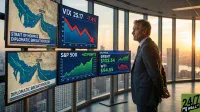
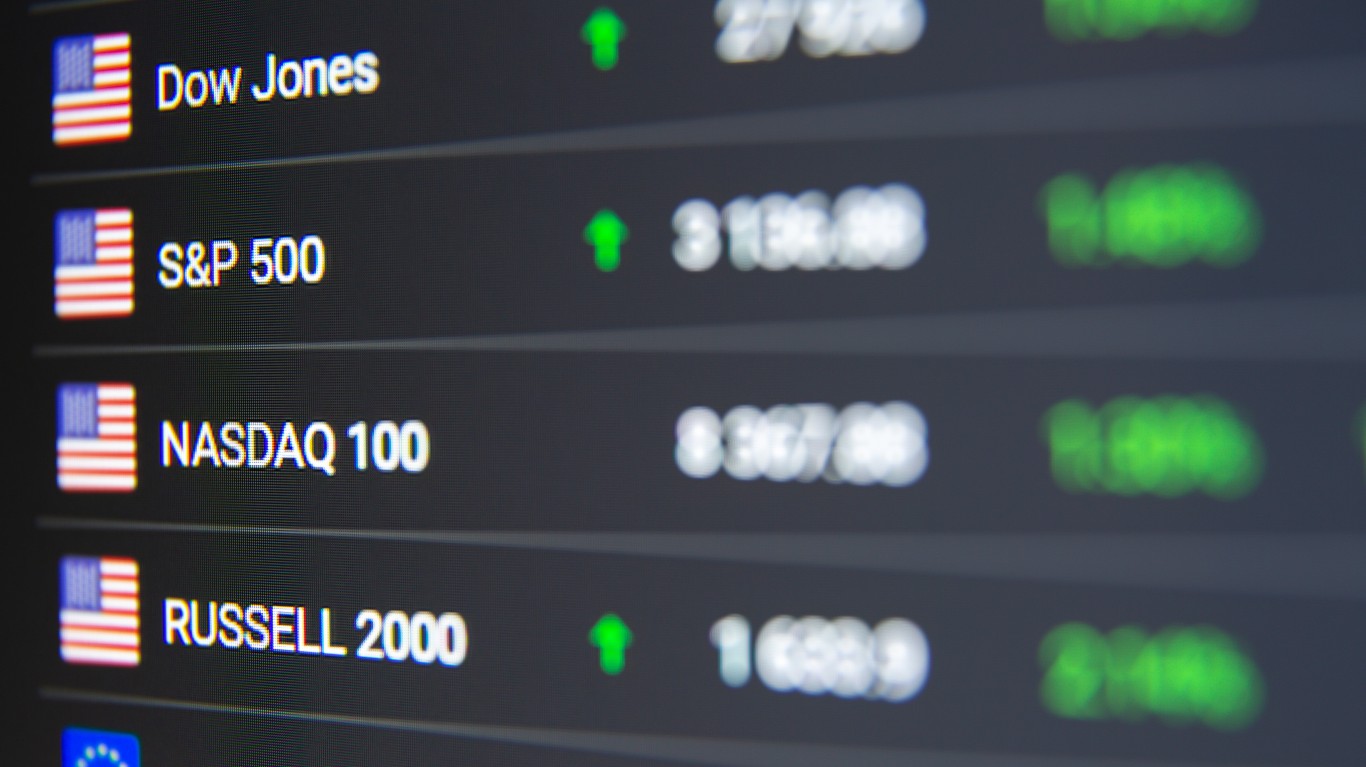
The S&P 500 closed at 666.06 on Thursday, falling 1.52% as Iranian strikes on two oil tankers sent crude prices surging toward $100 a barrel, reigniting inflation fears and triggering a broad selloff that spared almost no sector except energy. Reuters described it as the S&P 500’s biggest three-day percentage drop in a month, with banks, consumer discretionary, and technology all declining sharply.
What Drove the Selloff
Oil dominated the session. WTI crude has surged 33% over the past week, and Thursday added another 9.7% as Iran’s new Supreme Leader Mojtaba Khamenei vowed to keep the Strait of Hormuz closed. The IEA warned the conflict was creating the largest oil supply disruption on record. With the Federal Reserve meeting scheduled for March 17, investors are pricing out rate cuts later this year. As Carson Group’s Ryan Detrick put it: “Under the surface of soaring crude prices is the realization that the likelihood of Fed cuts later this year is quickly dwindling.”
The financial sector added pressure. Morgan Stanley limited redemptions at one of its private credit funds after withdrawal requests surged, while JPMorgan Chase marked down certain loan values. Their shares fell 4.1% and 1.6% respectively, raising credit quality concerns at a moment when inflation and borrowing costs are already elevated.
Adobe (ADBE) compounded tech weakness after announcing CEO Shantanu Narayen would step down following 18 years in the role, even as first-quarter revenue grew 12%. Leadership transitions at major software companies create short-term uncertainty, and the timing amplified negative sentiment across the sector.
Key Movers in the S&P 500
Lowe’s (LOW)
Lowe’s (LOW) fell 3% to close around $239, weighed down by a Q4 earnings miss where adjusted EPS of $1.98 fell short of the $2.07 estimate. Management flagged housing market uncertainty as a headwind, and consumer discretionary names with margin pressure face a doubly difficult backdrop when oil-driven inflation is rising.
Micron Technology (MU)
Seagate Technology (STX)
Micron Technology (MU) and Seagate Technology (STX) each fell roughly 3%, pulling back from strong year-to-date gains. Both are AI infrastructure plays tied to data center demand, but rising inflation expectations compress the growth valuations underpinning their recent gains.
Nvidia (NVDA)
Nvidia (NVDA) held up better than most tech names, slipping just 1.6% to close near $183. Its relative resilience reflects continued conviction around AI infrastructure spending — the company posted roughly $68 billion in revenue last quarter, up 73% year over year, and analysts have not meaningfully revised their bullish outlook despite the broader selloff. A recurring Reddit thread titled “Nvidia keeps writing $2B checks across the AI ecosystem” captured the longer-term bullish sentiment even as shares dipped.
Kosmos Energy (KOS)
Kosmos Energy (KOS) was the outlier, gaining 13.4% to close at around $2.30. As a small-cap oil and gas producer, Kosmos benefits directly from surging crude prices, though its heavily leveraged balance sheet with net debt near $2.9 billion means the rally depends on oil staying elevated.
What This Means for Index Fund Holders
For anyone holding VOO or a target-date fund, today was the third consecutive down session, pushing the S&P 500 to a year-to-date loss of 2.3%. The VIX closed the prior session at around 24, sitting at the 88th percentile of readings over the past year. Elevated fear readings have historically preceded above-average forward returns over the following 6 to 12 months. The selloff was broad rather than concentrated in one sector, which means there are no obvious structural cracks in corporate fundamentals driving it.
The Fed meeting on March 17 is the next major catalyst. The central bank is widely expected to hold rates steady, but its updated projections will be scrutinized for any upward revision to inflation forecasts given the oil shock. If the Fed signals fewer cuts ahead, growth stocks and rate-sensitive sectors face additional pressure. Energy remains the one sector where the macro backdrop is working in investors’ favor.
Contact [email protected] for any questions or corrections.
I am a long time investor and student of business, and believe finding good companies that can become great investments is the best game on earth. After 20 years of writing and researching the public markets it is clear that individuals have never had more tools and information to take control of their financial lives. From ETFs and $0 commissions to cryptos and prediction markets there has never been a greater democratization of access to investing.
I write to help people understand the investments available to them so they can make the best choice for their portfolio, whether they're starting out or looking for income in retirement.