Small REIT ETF paying monthly dividends faces refinancing squeeze as rates hold steady
Invesco KBW Premium Yield Equity REIT ETF (NASDAQ:KBWY) delivers an outsized monthly dividend from small- and mid-cap U.S. equity REITs. KBWY currently pays around $0.125 per share each month, which translates to a trailing yield of roughly 9% on a…


Invesco KBW Premium Yield Equity REIT ETF (NASDAQ:KBWY) delivers an outsized monthly dividend from small- and mid-cap U.S. equity REITs. KBWY currently pays around $0.125 per share each month, which translates to a trailing yield of roughly 9% on a share price of $17. The harder question is whether KBWY’s distribution is genuinely funded by its underlying REITs or whether it erodes the fund over time.
How the income is manufactured
KBWY tracks the KBW Nasdaq Premium Yield Equity REIT Index, a dividend-weighted screen of smaller equity REITs selected for the highest yields in the sector. The fund passes through the dividends those REITs declare, net of a 0.35% expense ratio, and distributes them monthly. There is no options overlay, no leverage, no synthetic structure.
Two things flow from that design. First, KBWY’s income is only as durable as the dividends of its constituent REITs. Second, the high-yield screen pulls the portfolio toward leveraged, smaller landlords, exactly the segment most exposed to refinancing risk and tenant stress.
What the distribution data shows
The monthly payout has been steady over the last 16 months, ranging from $0.12485 to $0.12601. In 2024, monthly distributions ranged from about $0.126 to $0.132, with a peak of $0.13205 in August 2024. The 2025 to 2026 run sits below that, a quiet step down of roughly 5% in monthly income.
The deeper concern is coverage. A German analysis published April 10, 2026 flagged that a meaningful portion of recent KBWY distributions came from capital repayments rather than earned profits. Our prior coverage in January 2026 highlighted holdings like Innovative Industrial Properties (NYSE:IIPR), which was carrying a 180% payout ratio with a frozen dividend. When the index buys yield without screening for coverage, distributions can outrun cash flow at the holding level.
Rates, vacancy, and regulatory risk
The macro backdrop is the second pressure point. The 10-year Treasury yield sits near 4.4%, in the 77th percentile of the past 12 months. Small REITs typically refinance at spreads over the 10-year, so every basis point of stickiness on the long end raises interest expense and squeezes cash available for dividends. Motley Fool’s February 2026 piece made the point bluntly: KBWY’s path to beating the market is highly dependent on rates falling.
Housing starts at 1.50 million annualized in March 2026 indicate healthy demand, which supports occupancy. Vacancy risk is concentrated in office and niche operators, and the high-yield screen overweights exactly those stressed names. Local real estate law changes, rent control expansions in coastal markets, transfer tax increases, and short-term rental restrictions can dent NOI for several top holdings simultaneously. The fund’s small-cap concentration is what makes local law risk a portfolio-level event rather than a single-name issue.
Total return reality
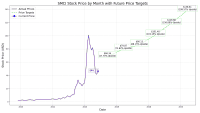
A 9% yield only matters if the principal holds up. KBWY has rallied 23% over the past year and 15% year to date, a real bounce off rate-driven lows. Stretch the window out and the math gets uncomfortable: the price is up only 11% over five years and 9% over ten. That is price-only, but it tells you the NAV trend has been flat to slightly positive across a decade in which broad real estate ETFs like the Vanguard Real Estate ETF (NYSEARCA:VNQ) compounded meaningfully more. Morningstar has assigned KBWY a one-star rating across multiple periods for that reason.
The verdict
KBWY’s distribution is operationally reliable and has paid every month without interruption, but it is not fully covered by underlying earnings. The 5% step down from 2024 levels shows it adjusts when the index’s REITs adjust. Call it a yield that is real, sized to the cash the portfolio can produce, but vulnerable to another leg higher in rates or a wave of dividend cuts at leveraged constituents. KBWY suits investors who want monthly REIT income, accept small-cap concentration, and treat it as a tactical sleeve rather than a core holding. Anyone counting on price appreciation alongside the yield should look at lower-yield, higher-quality alternatives like Vanguard Real Estate ETF, where the trailing decade of total return tells a different story.
Contact [email protected] for any questions or corrections.
After 15 years on Wall Street with 7 of them as Director of Corporate and Municipal Bond Trading for a NYSE member firm, I started my own project and corporate finance consultancy. Much of the work involves writing business plans, presentations, white papers and marketing materials for companies seeking budgetary allocations for spinoffs and new initiatives or for raising capital for expansion or startup companies and entrepreneurs. On financial topics, I have been published under my own byline at The Motley Fool, 247wallst.com, DealFlow Events’ Healthcare Services Investment Newsletter and The Microcap Newsletter, among others. Additionally, I have done freelance ghostwriting writing and editing for several financial websites, such as Seeking Alpha and Shmoop Financial. I have also written and been published on a variety of other topics from music, audiophile sound and film to musical instrument history, martial arts, and current events. Publications include Copper Magazine, Fidelity (Germany), Blasting News, Inside Kung-Fu, and other periodicals.