Why Minimum Payments Can Keep People in Debt for Years
Credit card minimum payments may seem convenient. After all, $200 a month can look super affordable for what you’re getting in return. But even relatively small minimum payments are designed to benefit lenders far more than borrowers. Paying only the…


Credit card minimum payments may seem convenient. After all, $200 a month can look super affordable for what you’re getting in return. But even relatively small minimum payments are designed to benefit lenders far more than borrowers. Paying only the minimum can make balances linger for years, all while interest charges continually and silently pile up in the background. After paying on a loan for years, many people are shocked to discover how little progress they have made toward the total. What starts as manageable debt can grow into a major financial burden. Here are the biggest reasons minimum payments can keep people trapped in debt for longer than expected.
Most of the Payment Goes to Interest
When people only make minimum payments, a large percentage goes toward interest rather than the actual balance. This means the debt shrinks very slowly even after months of payments. Someone may feel like a responsible individual, staying on top of their debt by making payments on time; but these same people are barely reducing what they owe. Credit card companies profit from this illusion of progress.
Credit Card Interest Rates Are Extremely High
Many credit cards charge interest rates above 20 percent, and some are even higher. At those rates, debt grows quickly if balances are not aggressively paid down. If you don’t take the time to do the math (and most of us don’t), a small purchase can become quite expensive over time. High interest creates a cycle where balances seem to almost remain at a standstill. This is especially dangerous when people continue using the card while making these minimum payments.
Minimum Payments Shrink as the Balance Shrinks
As balances slowly decrease, minimum payments often become smaller too. While that sounds helpful, and it may even make you feel rewarded for all the payments you’ve made, it actually stretches the repayment timeline even further. Smaller payments mean less money going to the principal each month, keeping interest charges active for a longer period. Debt that could have been cleared in a couple years with a little effort can end up lasting a decade.
New Purchases Restart the Cycle
Many people continue charging new purchases while carrying balances, whether out of necessity or because they don’t fully understand the debt they are accruing. Even small amounts of additional spending can undo progress made through minimum payments. Because interest compounds month after month, balances can stay high. It becomes easy to feel like you are “running in place”, which is defeating and can lead to giving up. The card transforms from a convenient tool into a source of stress.
People Underestimate the Long-Term Cost
Minimum payments make debt feel super affordable in the short term because the required payment is low. However, the total long-term cost can become enormous due to years of accumulated interest. A few thousand dollars of debt may ultimately cost way more than the original purchases. This is especially true because many borrowers don’t take the time to calculate how long repayment is likely to actually take. Seeing the full payoff timeline can be quite shocking.
Emergencies Create More Debt
Because many individuals lack an emergency fund, unexpected expenses leave people feeling forced to go deeper into credit card debt while they are already struggling. Car repairs, medical bills, or sudden job loss can increase what is owed at a rapid pace. Once balances rise, minimum payments rise too, making finances even tighter. This creates a terrible cycle that becomes hard to escape.
Psychological Comfort
The emotional comfort of minimum payments can hide the true story. Minimum payments create a feeling that everything is “under control” because you are giving the credit card or loan company what they are asking. The account remains current and you are in good standing. This feeling of “I’m consistently doing what I’m supposed to” can reduce the urgency to pay off the balance. People sometimes convince themselves they are dealing with the debt responsibly simply because they never miss a payment. However, interest never stops building.
Debt Can Damage Future Opportunities
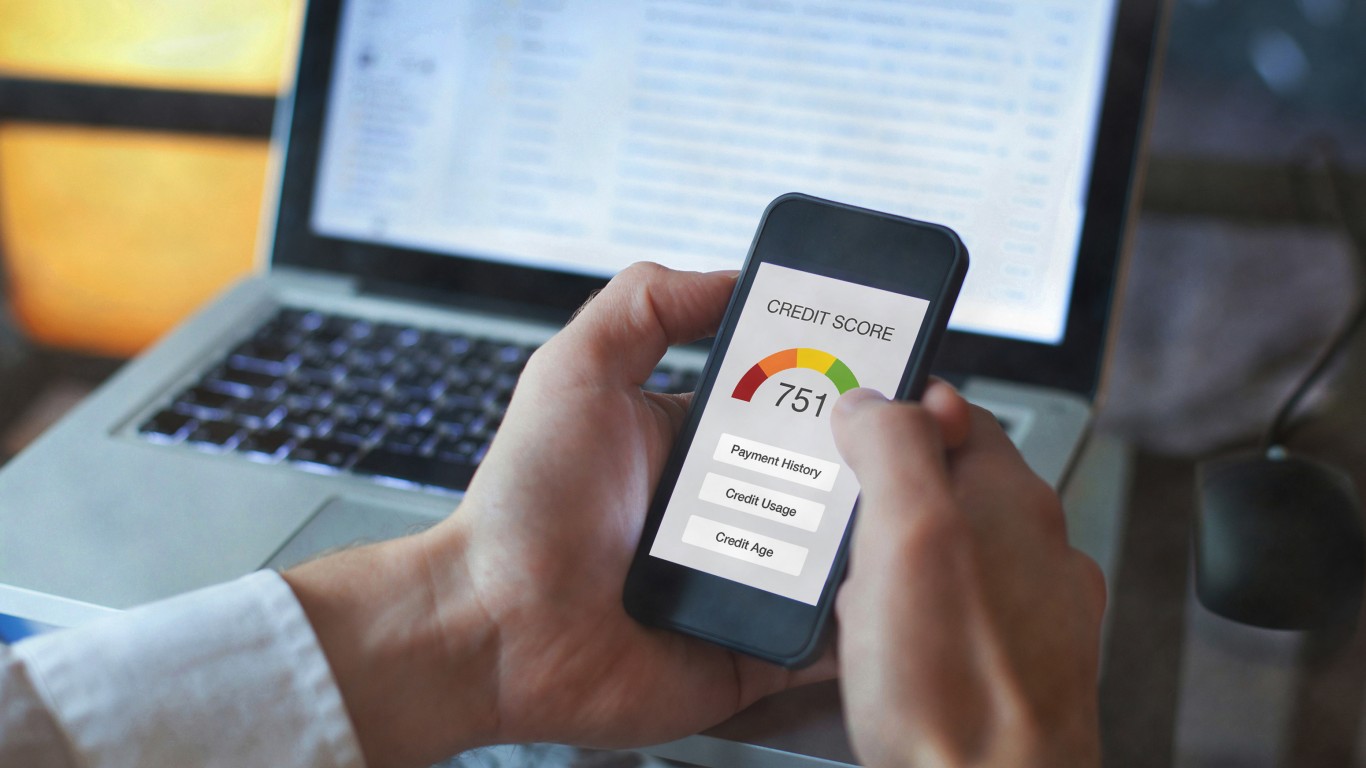
Having a large amount of consistent debt can affect credit scores and anything calculated by debt-to-income ratio. This may hurt the debtor’s ability to get a good interest rate or qualify for mortgages and car loans. Financial stress due to debt also limits flexibility and freedom in unexpected ways. If you don’t make the decision to aggressively pay down debt now, it can negatively affect major life decisions later.
Contact [email protected] for any questions or corrections.