Mark Zuckerberg May Already Have an AI Agent Sidekick — Could This Be the Future for CEOs?
Digital twins could soon go from science fiction to reality as the agentic wave takes off, colliding with deep personalization. Indeed, as AI gains greater access to our digital lives, as we allow it to look through emails, Slack messages,…

Digital twins could soon go from science fiction to reality as the agentic wave takes off, colliding with deep personalization.
Indeed, as AI gains greater access to our digital lives, as we allow it to look through emails, Slack messages, work tickets, codebases, social-media profiles, calendars, and contacts, at what point will AI act as a sidekick or even a replacement for certain tasks? Indeed, delegating some tasks and grunt work to a twin could shore up more bandwidth to be spent on higher-priority items that matter most.
But, of course, the technology is still in its early days, but as the concept of digital twins enters the mainstream, some deep philosophical questions will need to be asked, especially if twins ever evolve from a sidekick, assistant, and copilot to something that’s more akin to a replacement. It’s an exciting time, but also a scary time as layoffs mount across tech and beyond. Enter the age of digital twins and proxies.
Meta Platforms is not wasting time when it comes to AI adoption
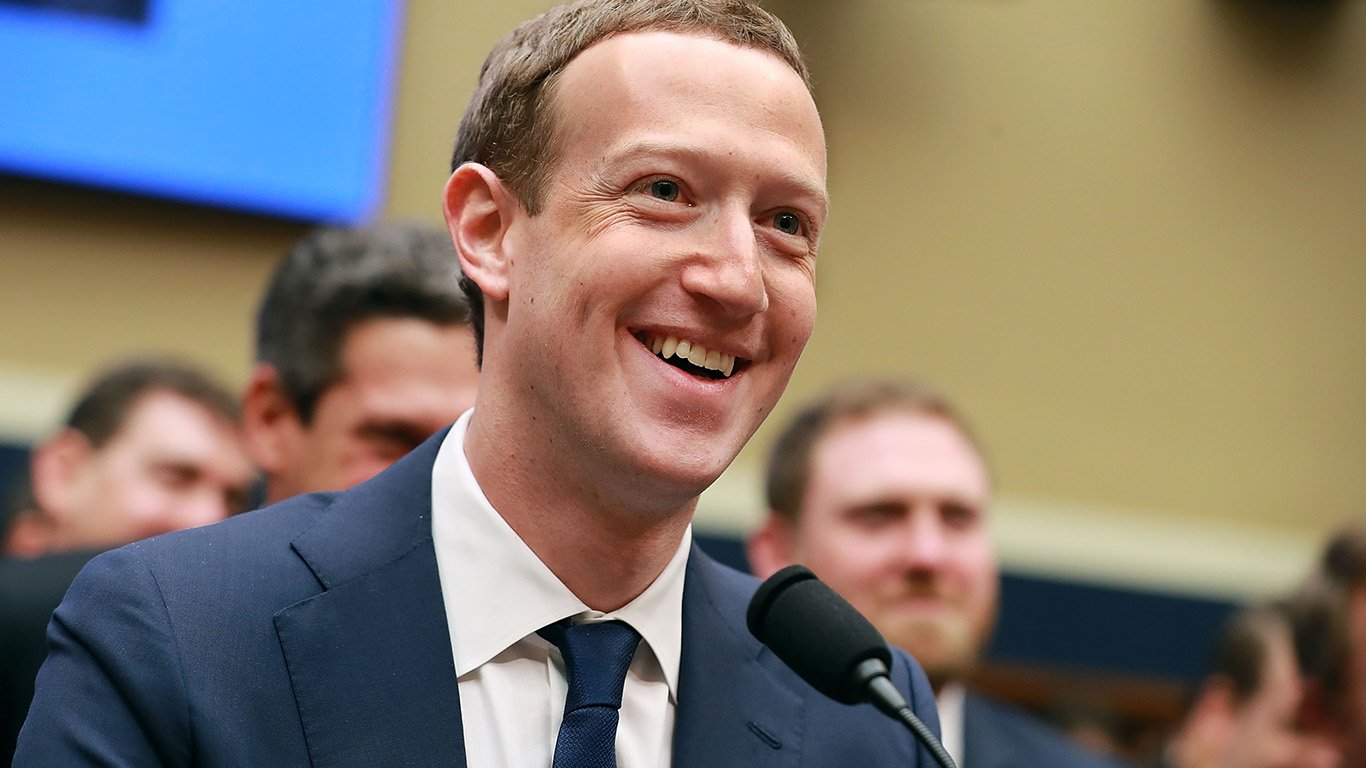
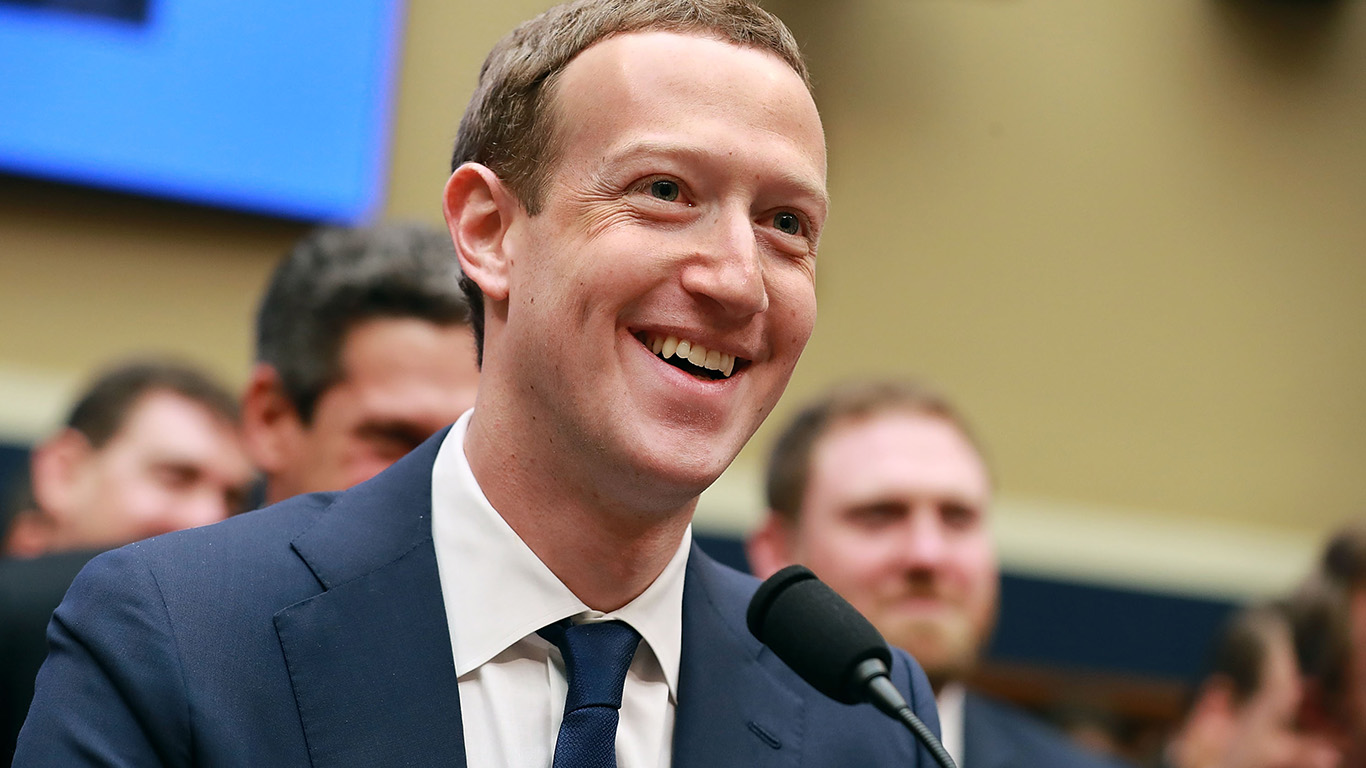
In any case, Meta Platforms (NASDAQ:META | META Price Prediction), which is spending a lot on AI CapEx, appears to be testing out the uncharted waters, which, in my view, could make all the spending more than worth it. Reportedly, there’s an AI version of Mark Zuckerberg that can help communicate with employees over at Meta. Indeed, it seems like a fantastic low-risk move that might allow a company to take its mission and vision to another level entirely.
Given how quickly Zuckerberg has embraced such a technology, I do believe that it’s a mistake to conclude that Meta Platforms is that far behind in the AI race. Meta Spark might not be at Claude Mythos’ level quite yet, but as Meta Platforms moves fast with AI, my guess is that it will also be among the first to unlock the biggest wave of monetization.
In my view, Zuck’s greater accessibility could allow him and the firm to make optimal decisions faster, effectively flattening out the corporate structure and removing much of the friction that comes with being a mega-cap titan. Can such a technology really eliminate the bureaucratic tax while giving Meta the agility of a firm a fraction of its size?
While digital twins and proxies might be in the early innings, I do think that it wouldn’t be all too out of the ordinary if other tech firms were to wind up doing the same in the next couple of years, perhaps when proxies become the norm.
The rise of digital labor is profound
With Meta also surveilling internally with its Model Capability Initiative (MCI), I think the firm is putting to use a profoundly valuable trove of data that might enable Meta Platforms to take agents and digital labor to the next level.
It’s a profound concept and one that might put Meta Platforms on the agentic fast lane. Sure, it might sound dystopian to some, but any way you look at it, it appears that Meta is willing to do what it takes to get the technology where it needs to be to put Meta at the top of the AI podium.
Given Meta’s shockingly good (and wildly expensive) superintelligence dream team and its willingness to make bold news while staying on the cutting edge of agentic tech, I wouldn’t be surprised if Meta Platforms were to harness the power of AI to improve metrics like revenue per employee and earnings per employee in the next couple of years. If every employee has access to a digital Zuck, I think investors might have to consider what kind of value there is to be had as an employee gains access to a founder’s mentorship.
The bottom line
Dismiss digital Zuck as outlandish, if you will, but I think the proxy stands out as one of many low-risk, high-impact applications of AI.
Is this a massive asymmetric bet that most might underate? We’ll have to wait and see. Either way, it’s quite interesting to think about a company that might have a version of its CEO around forever. If Meta and other firms can get the technology right, the asymmetric bet might still be drastically undervalued by Wall Street.
Contact [email protected] for any questions or corrections.
Joey is a 24/7 Wall St. contributor and seasoned investment writer whose work can also be found in publications such as The Motley Fool and TipRanks. Holding a B.A.Sc in Computer Engineering from the University of British Columbia (UBC), Joey has leveraged his technical background to provide insightful stock analyses to readers.
Joey's investment philosophy is heavily influenced by Warren Buffett's value investing principles. As a dedicated Buffett disciple, Joey is committed to unearthing value in the tech sector and beyond.