Orbital Data Centers Are Moving From Concept to Early Roadmap — Jeff Bezos’ Remarks Give the Idea New Credibility
Elon Musk’s vision of orbital data centers sounds quite out there, but perhaps it’s not as outlandish as it sounds, especially as the corporate space race looks to heat up. Undoubtedly, time will tell if the space economy is ready…

Elon Musk’s vision of orbital data centers sounds quite out there, but perhaps it’s not as outlandish as it sounds, especially as the corporate space race looks to heat up. Undoubtedly, time will tell if the space economy is ready to enter its next stages. In recent years, it’s been more of a speculative corner of the tech market. The volatility has certainly been off the charts, and the stakes during launches have been incredibly high.
As SpaceX goes public and its financials move onto a trajectory that demonstrates the serious economic opportunity to be had in this new frontier of growth, perhaps AI data centers in space will become the next big growth driver.
In any case, perhaps words from Jeff Bezos could give the concept even more credibility. In a recent interview with CNBC, Bezos gave his take on AI data centers in space. The man behind SpaceX rival Blue Origin thinks data centers in space are “very realistic,” but he did sound uncertain on the timeline, which he viewed as “a little ambitious.”
Orbital data centers may very well be the real deal
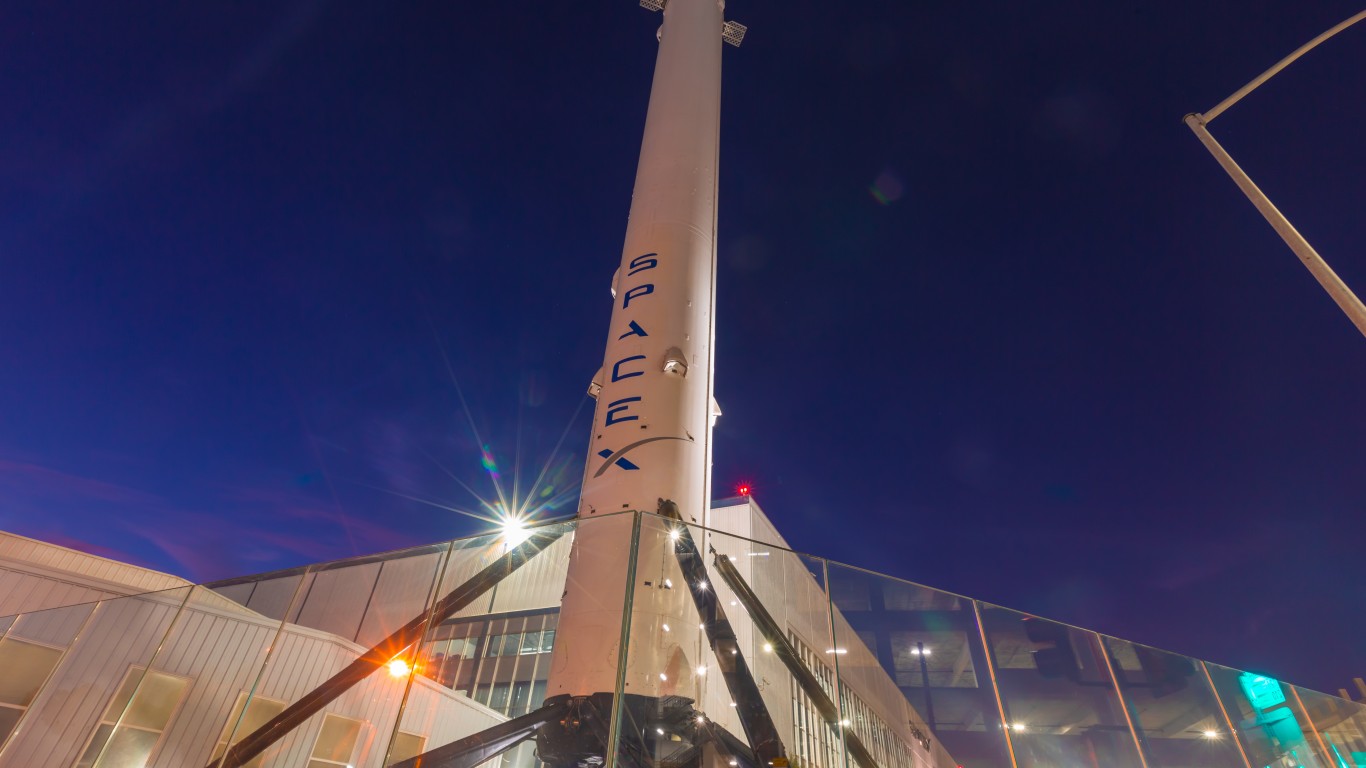
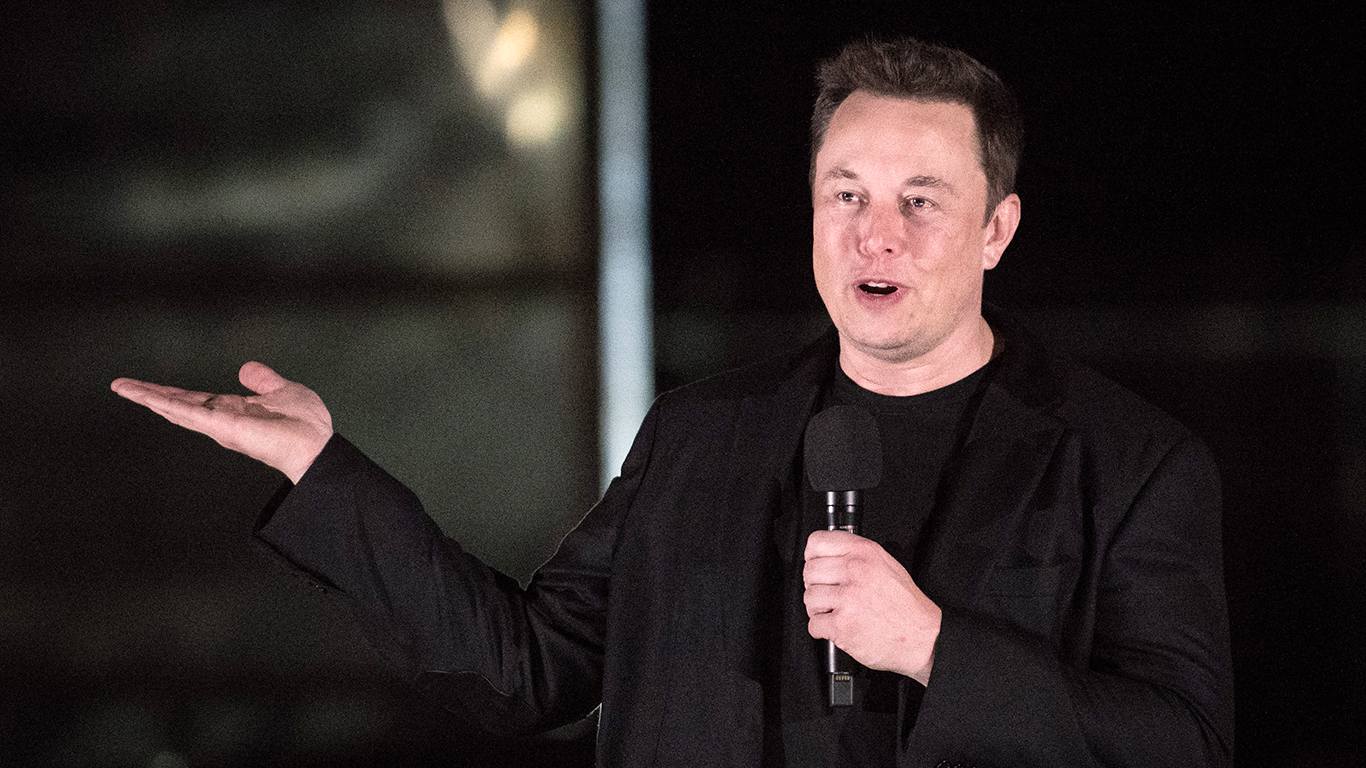
There’s no question that Elon Musk wants his companies to move at light speed, whether we’re talking about the Terafab, the potential behind Optimus robots, or getting that orbital data center where it needs to be. At this juncture, Mr. Musk seems to be shooting to get space-based data centers in a “compelling place” for AI computing in 30-36 months. That was around three months ago.
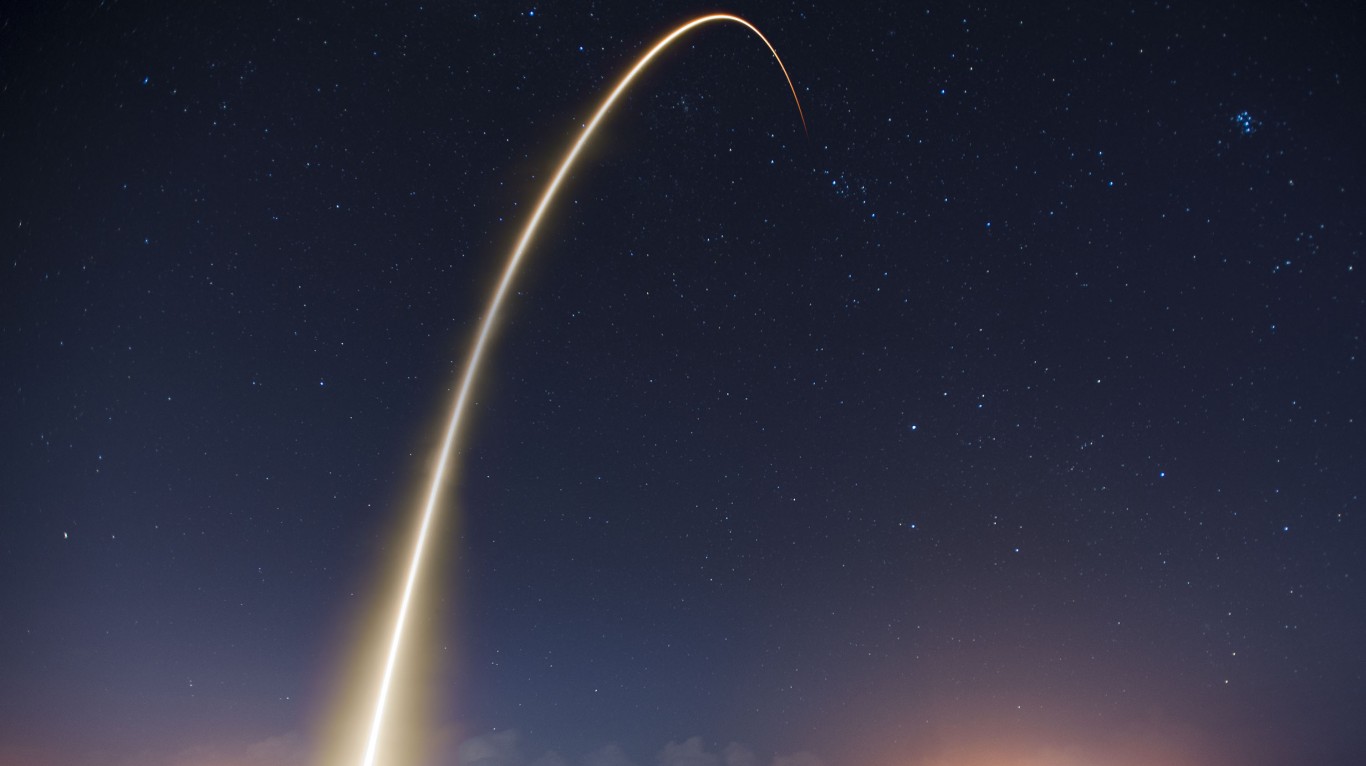
Could it really be that your next Grok prompt will go to the stars in as little as 27 months? It really does sound out of this world, and that’s because it quite literally is. In any case, though, I think Bezos’ words make Elon Musk’s vision that much more credible.
And the big question is what Blue Origin and other rivals will do as SpaceX looks to become the undisputed king of orbital AI compute. It won’t just sit around and watch. Blue Origin’s Project Sunrise roadmap suggests the space-based data center race has already kicked off.
Orbital data centers may very well be the future — just be patient
As the visionaries in tech keep tabs on what Mr. Musk and SpaceX are up to, though, I think it’s becoming impossible to discount the potential behind orbital data centers, even though the upfront spend and risk of failure are quite high, at least relative to most other ambitious undertakings.
Any way you look at it, you just have to give Mr. Musk props for his ability to take risks. It’s part of the reason why the man is on track to become the world’s first billionaire, and it might be needed to really carve out a massive economic moat around technologies that possess colossal rewards to first-movers. Now, being first to a new market might be no guarantee of success and dominance.
But when it comes to the profoundly ambitious, risky endeavors taken by Mr. Musk, I do think that becoming a first-mover is a one-way ticket to dominance and quite literal sky-high barriers to entry.
Could Elon Musk’s companies, like SpaceX, be the firm that’s building the new moat for itself in the AI age?
I do think so. Either way, Mr. Bezos’ comments, I believe, inject credibility into orbital data centers. It’s a serious business, even if the skeptics continue to add to a list of reasons why such a project won’t work.
The bottom line
Like Mr. Bezos, I do think that Elon Musk’s timeline is aggressive. In any case, though, even missing the mark by some number of years or even a decade, I think, is profoundly impressive. SpaceX’s Starship is moving along quite smoothly, but the big question is what the actual timeline will be before an orbital data center constellation becomes more economically viable than one on Earth.
Certainly, people would rather it be up there than in their backyard. But will the hardware that’s up there stay cool, sync, and withstand the stresses of space well enough? Time will tell. In any case, the multi-year driver will surely get more pumped about the looming SpaceX IPO.
Contact [email protected] for any questions or corrections.
Joey is a 24/7 Wall St. contributor and seasoned investment writer whose work can also be found in publications such as The Motley Fool and TipRanks. Holding a B.A.Sc in Computer Engineering from the University of British Columbia (UBC), Joey has leveraged his technical background to provide insightful stock analyses to readers.
Joey's investment philosophy is heavily influenced by Warren Buffett's value investing principles. As a dedicated Buffett disciple, Joey is committed to unearthing value in the tech sector and beyond.