UN Food Economist Warns Fertilizer Crisis Could Hit Global Food Prices ‘Within Days’
During a May 25 appearance on Bloomberg Daybreak Europe, Maximo Torero, chief economist of the Food and Agriculture Organization, warned that the Strait of Hormuz closure is approaching a point where the damage to the global food system may no…

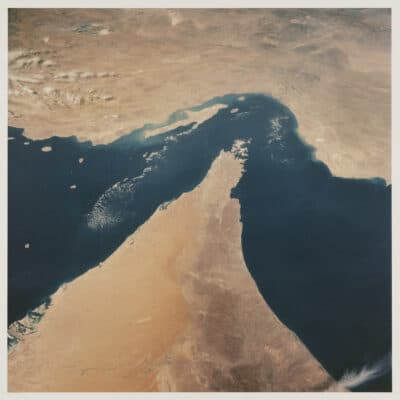
During a May 25 appearance on Bloomberg Daybreak Europe, Maximo Torero, chief economist of the Food and Agriculture Organization, warned that the Strait of Hormuz closure is approaching a point where the damage to the global food system may no longer reverse quickly, even if shipping routes reopen.
The Fertilizer Shock Is Starting to Spread
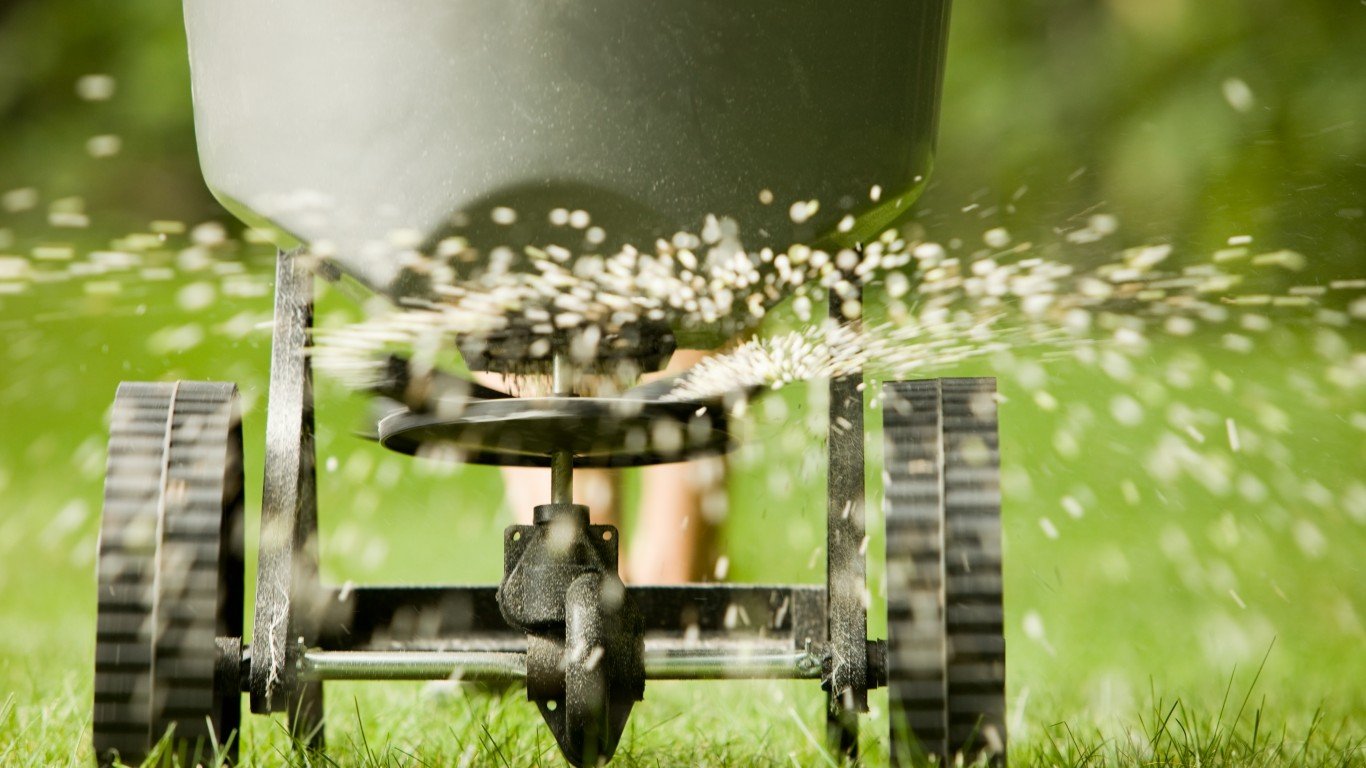
Torero’s warning centers on a part of the economy most investors rarely think about until it breaks. Natural gas is the primary feedstock for producing nitrogen fertilizer, which plays a major role in global grain yields. When gas prices spike and fertilizer supply tightens, the effects eventually move into food production and grocery prices worldwide.
“Natural gas is between 65% and 80% more, which is used to produce nitrogen,” Torero said. “Food prices are a 55 increase, depending on the region. Food cost has increased and fuel cost 58%.”
The energy market data helps explain the stress. Henry Hub natural gas prices briefly surged to $30.72/MMBtu on January 23, 2026, compared with a pre-crisis range of $4-$5/MMBtu in December 2025. Prices later cooled to $3.07/MMBtu as of May 18, while oil continued to climb. WTI crude has risen 30.7% over the past month to $112.25 per barrel, sitting near the highest levels of the past year. That combination matters because higher fuel prices raise transportation costs across the food supply chain, even as fertilizer costs directly pressure farmers.
What Happens After Day 90 of Strait Closure
The most important part of Torero’s warning is what happens after day 90, even if tanker traffic resumes. “Once we have reached 90 days, we are touching all the corners of the world,” Torero said. “That means that plenty of decisions are already made for the next half of the year and 2027 will be made later in the year.”
That turns the crisis into a planning-cycle problem instead of a short-term shipping disruption. Farmers facing nitrogen costs that are 65% to 80% higher may either absorb the costs and burn through cash reserves or reduce fertilizer use and accept lower crop yields. Either choice risks tightening grain supply well into the 2027 crop year. For consumers, that raises the possibility that food inflation becomes much more persistent instead of fading as a temporary spike.
The broader economic backdrop already looks fragile. The University of Michigan consumer sentiment index fell to 49.8 in April 2026, its lowest reading in the past year and firmly inside recessionary territory. CPI reached 332.4 in the same month, ranking near the highest level over the last 12 months. Households are already absorbing the energy side of this shock before the fertilizer side fully reaches grocery shelves.
Torero Says Farmers May Need Covid-Style Support
Torero also outlined what he believes governments should do next. “The most important thing is to avoid the restriction of fertilizers,” he said. “That will help to not exacerbate it even more.”
He also called for financing support to help farmers survive the squeeze. “Like we did with Covid-19,” Torero said, governments may need to provide loans in the “24 to 46 months” range to bridge cash flow pressures until fertilizer markets stabilize. The goal would be to prevent farmers from reducing fertilizer use simply because input costs have become unaffordable.
There are small signs of relief emerging. 33 tankers recently transited the Strait of Hormuz, easing immediate supply-side pressure at the margin. Still, that does not reverse the cost increases already embedded into the spring planting season. For now, markets still appear relatively calm. The VIX closed at 16.76, suggesting investors are not yet pricing a prolonged global food disruption scenario. The next few days may determine whether that changes.
Contact [email protected] for any questions or corrections.
Thomas Richmond is a financial writer and content strategist with 5+ years of experience covering stocks and financial markets. He has published over 500 articles focused on individual stock analysis, helping investors better understand business fundamentals, stock valuations, and long-term opportunities.
Thomas previously served as a Content Lead at TIKR, a stock research platform, where he helped scale the company’s blog to hundreds of articles per month and contributed to a weekly newsletter reaching more than 100,000 investors.
Outside of work, Thomas enjoys weight lifting and soccer.