ASML vs. TSMC: Better Semi Stock to Buy Right Now?
In this piece, we’ll have the battle of the semi firms with monopolistic firms atop the semiconductor market. Undoubtedly, both firms are absolutely critical to the production of semis. Without them, none of the chip designers or other names powering…

In this piece, we’ll have the battle of the semi firms with monopolistic firms atop the semiconductor market. Undoubtedly, both firms are absolutely critical to the production of semis. Without them, none of the chip designers or other names powering big gains in the semiconductor index would be profiting so grandly from the early innings of this AI revolution.
Dutch firm ASML (NASDAQ:AMSL | ASML Price Prediction) truly has no comparable, and while Taiwan Semiconductor (NYSE:TSM), or TSMC as it’s better known in short, is getting company as new entrants test the waters in the foundry space, it remains a top force that’s unlikely to ever be matched.
As it stands today, both names make for solid bets to play the AI chip boom, but only one, I believe, allows investors to stretch their dollar a bit further as the price of admission into the semi surge becomes steeper by the day.
ASML
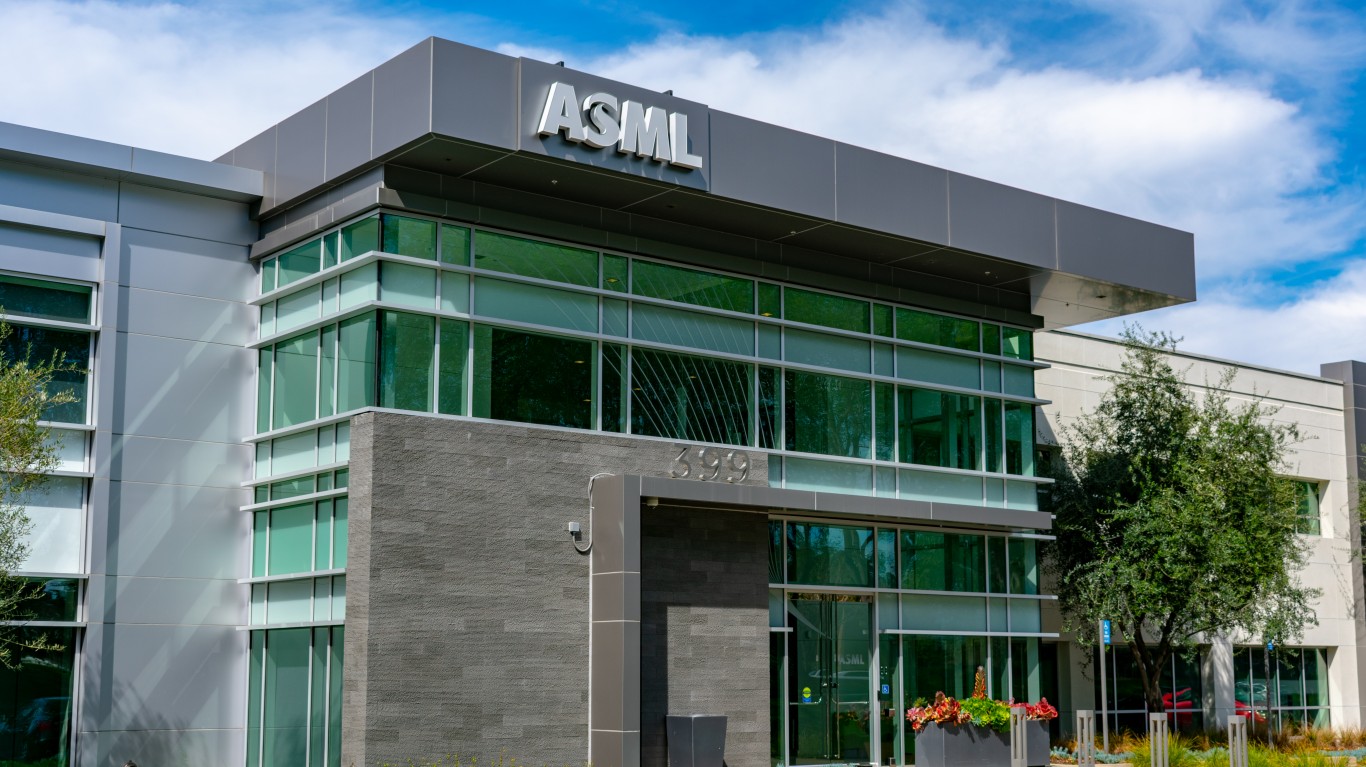
First up, we have ASML, a maker of extremely expensive and complicated extreme ultraviolet (EUV) lithography machines. There are massive room-sized pieces of semiconductor equipment that are further behind the curtain of the AI revolution. A fab, most notably TSMC, would be buyers of such ASML equipment as they expand their capacity.
Of course, being in the semi equipment business comes with an arguably greater degree of cyclicality. However, as the semi market scrambles to meet demand ahead of a token explosion, I’d argue that a monopolistic position far behind the curtain is where one would want to be. Without ASML, there wouldn’t be machines for TSMC to make the chips.
After more than doubling, up 115%, in the past year, though, shares do look quite frothy. And the 53.5 times trailing price-to-earnings (P/E) multiple is getting tougher to get behind, no matter how much visibility there is into the future of earnings. When it comes to cyclical companies, though, I’d much rather pay a premium P/E than a discount.
As TSMC expands capacity while other fabs look to start up shop, I’d expect more demand for EUV machines over the next three to five years. Just how much of the longer-term AI revolution is priced in here as ASML does its best to fire on all cylinders to prevent becoming a bottleneck of the revolution? That much is unclear, especially with shares trading at a heightened 15.8 times price-to-sales (P/S).
That’s on the high end of the historical range. But, then again, ASML is a dominant titan that has all the pricing power. And it’s in an optimal spot right now, especially as the global foundry market diversifies beyond TSMC. From Elon Musk’s Terfab to other chip plays looking to take control, there’s a lot of money to be spent on fab ambitions, and much of it is going into the pockets of ASML.
Taiwan Semiconductor
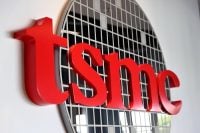
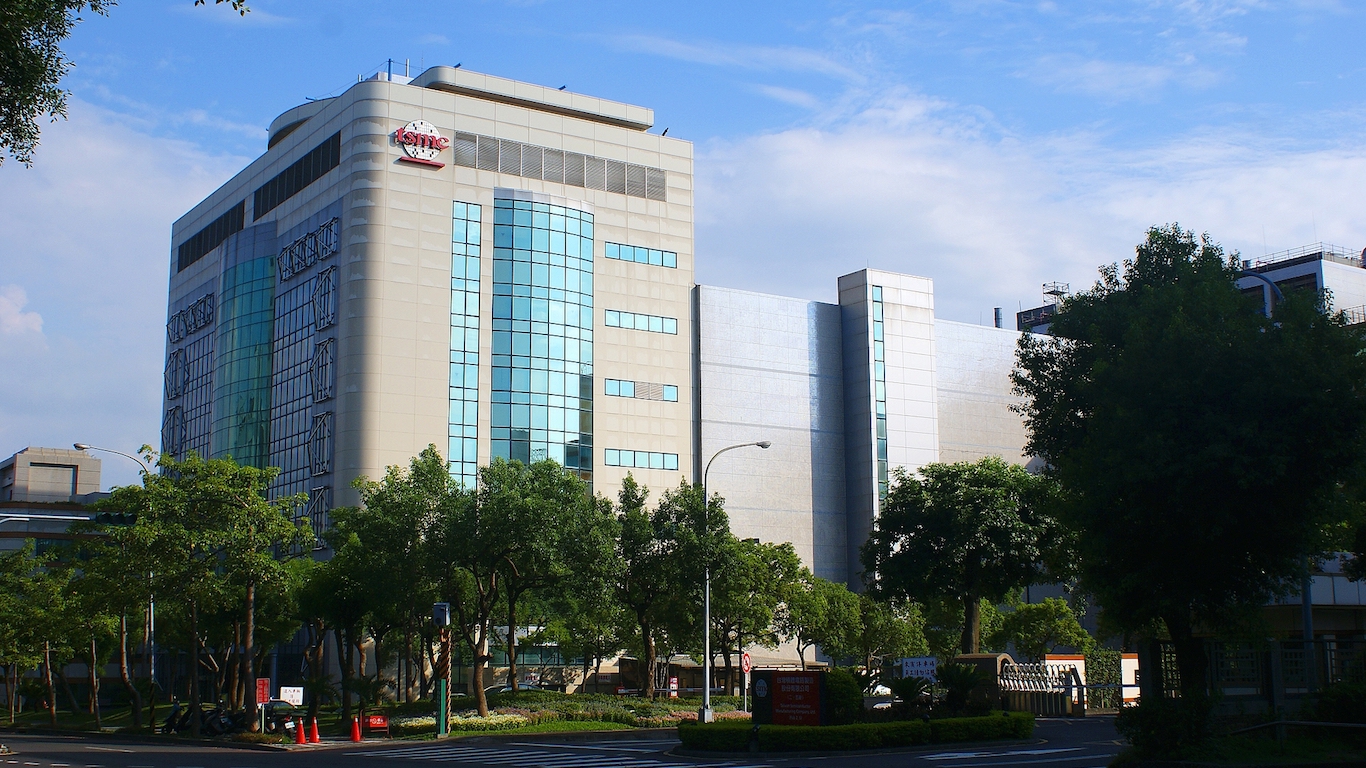
Taiwan Semiconductor still looks obscenely undervalued when you consider its role in this AI chip boom. As I’ve said before, most rivers flow through TSMC. And at 36.0 times trailing P/E, the name seems like a reasonable price for a firm that’s enjoying accelerated sales growth and stunning operating margins.
The big kicker, at least in my opinion, is that Taiwan Semiconductor is moving along with its expansion rather prudently. Perhaps it’s being too conservative, given the explosion of demand going on in the AI chip scene. It’s leading the charge in advanced manufacturing processes, and it’s the brilliant minds that act as the company’s ultimate moat. To put it simply, building a world-class fab takes more than just big money. Arguably, TSMC’s moat might be impregnable.
In any case, though, I don’t think TSMC is being as aggressive as it should be. It’s certainly not moving at a pace that’s acceptable for Elon Musk. And I view his decision to undertake the Terafab project as a move done out of necessity because, to put it simply, TSMC doesn’t have enough manufacturing capacity to cater to everybody on an aggressive timeline. In my humble opinion, it’s respectable to err on the side of caution, but to do so is to potentially leave big money on the table.
Combined with the geopolitical unknown, perhaps there’s a reason shares of Taiwan Semiconductor continue to trade at a discount to the group. If TSMC ups the expansion aggression, though, I think more of the discount could fade, as its reliance on Taiwan moves lower while its ability to take on more business increases. Though it’s a tough call, I prefer TSMC to ASML at this juncture.
Contact [email protected] for any questions or corrections.
Joey is a 24/7 Wall St. contributor and seasoned investment writer whose work can also be found in publications such as The Motley Fool and TipRanks. Holding a B.A.Sc in Computer Engineering from the University of British Columbia (UBC), Joey has leveraged his technical background to provide insightful stock analyses to readers.
Joey's investment philosophy is heavily influenced by Warren Buffett's value investing principles. As a dedicated Buffett disciple, Joey is committed to unearthing value in the tech sector and beyond.