Financial Advice from Ancient Civilizations that Still Holds Up Today
Our modern financial world has evolved to include the use of credit cards, online banking, and Venmo. But centuries before any of these tools existed, ancient civilizations had their own way of dealing with money matters. Their practical ideas about…

Our modern financial world has evolved to include the use of credit cards, online banking, and Venmo. But centuries before any of these tools existed, ancient civilizations had their own way of dealing with money matters. Their practical ideas about wealth set the stage for what would eventually develop into entire economies. Even all that time ago, many societies understood basic principles, like the importance of setting aside resources and planning for potentially uncertain times. Though the world has changed dramatically, some financial ideas remain timeless. Here are some ancient financial lessons that are still surprisingly relevant today.
1. Save During Times of Plenty
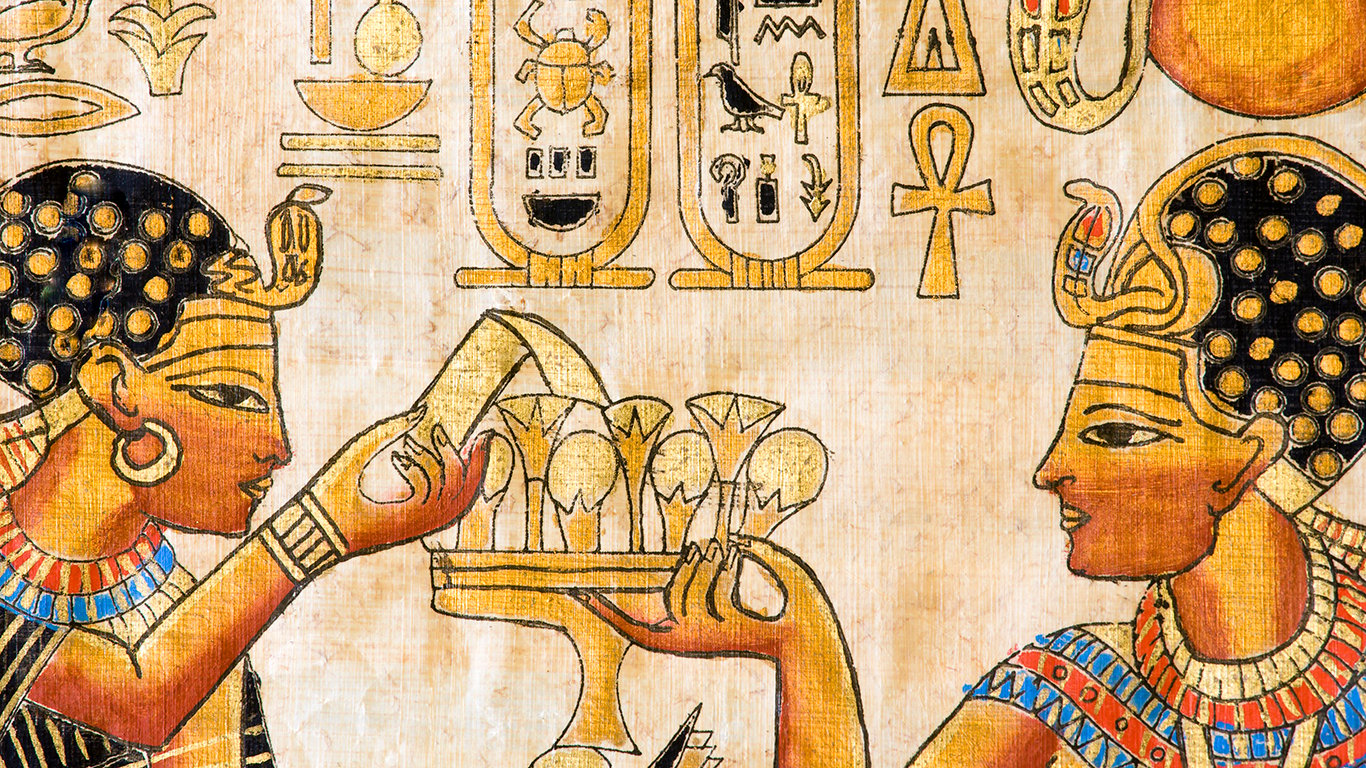
Ancient Egyptian societies stored grain during years of excessive crop growth to prepare for inevitable famine. This strategy helped entire populations survive difficult periods of low growth due to drought or pests. The principle still applies today, mainly through the use of emergency funds and long-term savings. While the Egyptians kept food sources accessible to use during times of struggle, it is best practice for us to keep easy-to-access funds for a rainy day. Preparing ahead of time can reduce financial panic during job losses or other unforeseen circumstances.
2. Avoid Excessive Debt
Ancient Greek philosophers warned about the dangers of living beyond one’s means. Debt could lead to loss of land, freedom, or social status in many ancient societies. Modern debt may look different, but the stress and financial consequences can be just as severe. Of course, ancient peoples didn’t have the temptation of credit card companies and their marketing. Still, we can heed this ancient advice by only using credit as a strategic tool.
3. Diversify Your Resources
Roman landowners often invested in multiple income sources, including farming, trading of goods, and property. They understood that relying on a single source of wealth could be risky and viewed placing all their eggs in one basket as foolish. Today, people apply similar ideas through diversification, primarily when it comes to investments. It is also common to have multiple streams of income. Such diversification helps reduce the negative impact of financial setbacks.
4. Live Below Your Means
Ancient Chinese philosophies emphasized moderation and restraint. Spending less than you earn has been considered wise advice for thousands of years. Individuals who constantly overspend can end up financially in the hole, even if they have great wealth. Sustainable habits are the name of the game when it comes to smart finances, and such stability often comes more from discipline than income.
5. Teach Financial Skills Early
Many ancient cultures involved their children in trade, farming, or household chores from a young age. This wasn’t just to take advantage of small laboring hands, but to give little ones practical experience with work and resource management. Financial knowledge was often treated as an important survival skill. Though today, children are largely kept out of the workforce, modern experts still say it’s important to teach children about money early in life.
6. Wealth Can Disappear Quickly
We may think the economy is precarious today, but ancient peoples were familiar with things changing on a dime. Kingdoms rose and fell constantly due to war, disasters, or political instability. People learned that fortunes could, and often did, vanish unexpectedly. This encouraged caution, preparation, and humility around money. Though we tend to be more stable in today’s world, we could learn a lot from this past perspective. Even today, economic conditions can change faster than people think.
7. Invest in Useful Skills
Workers in ancient civilizations often had greater stability because they dedicated themselves to mastering a skill that would remain valuable regardless of day-to-day changes. Through their skill and knowledge, craftsmen, builders, and merchants could reasonably rebuild wealth after difficulty. Education and strong skillsets are just as important today. Experience and know-how can lead to landing the best jobs, even when times are tough.
8. Reputation Matters Financially
In many ancient societies, people depended heavily on interpersonal relationships and local reputation. Trust determined whether people would lend, trade, or do business with a particular resident. A damaged reputation could be extremely hard to overcome and severely limit money-making opportunities. While we now have financial systems set in place (i.e. the bank won’t withhold a loan because your neighbors dislike you), trust still plays a major role in careers and business relationships. Word travels fast; reliability and honesty continue to carry value.
Contact [email protected] for any questions or corrections.