Buffett Loves Moats; Your Portfolio Might Not After This Year’s Slip
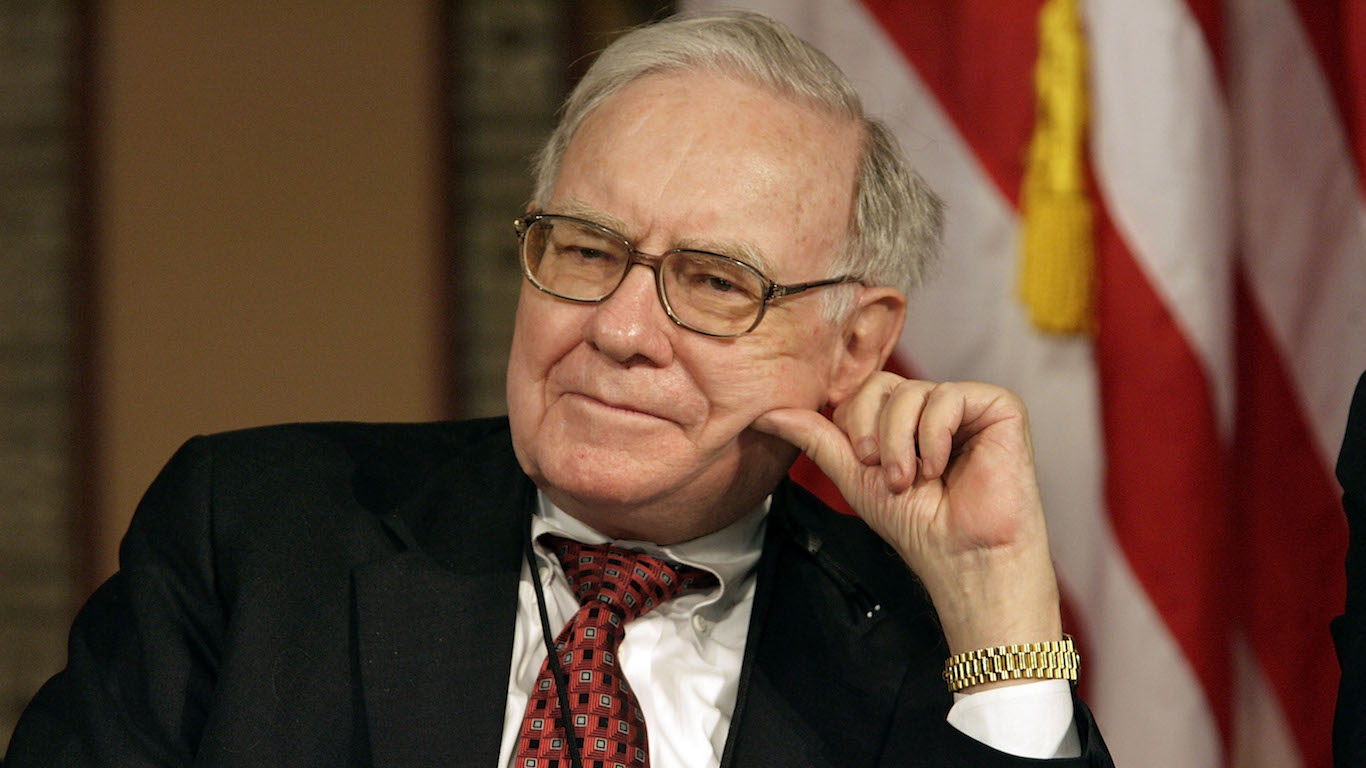
Warren Buffett built Berkshire Hathaway around the castle-and-moat metaphor, and the VanEck Morningstar Wide Moat ETF (NYSEARCA:MOAT) tries to package that idea into a single ticker. Through the first half of 2026, MOAT is down 1.3% year to date while…

This post may contain links from our sponsors and affiliates, and Flywheel Publishing may receive compensation for actions taken through them.
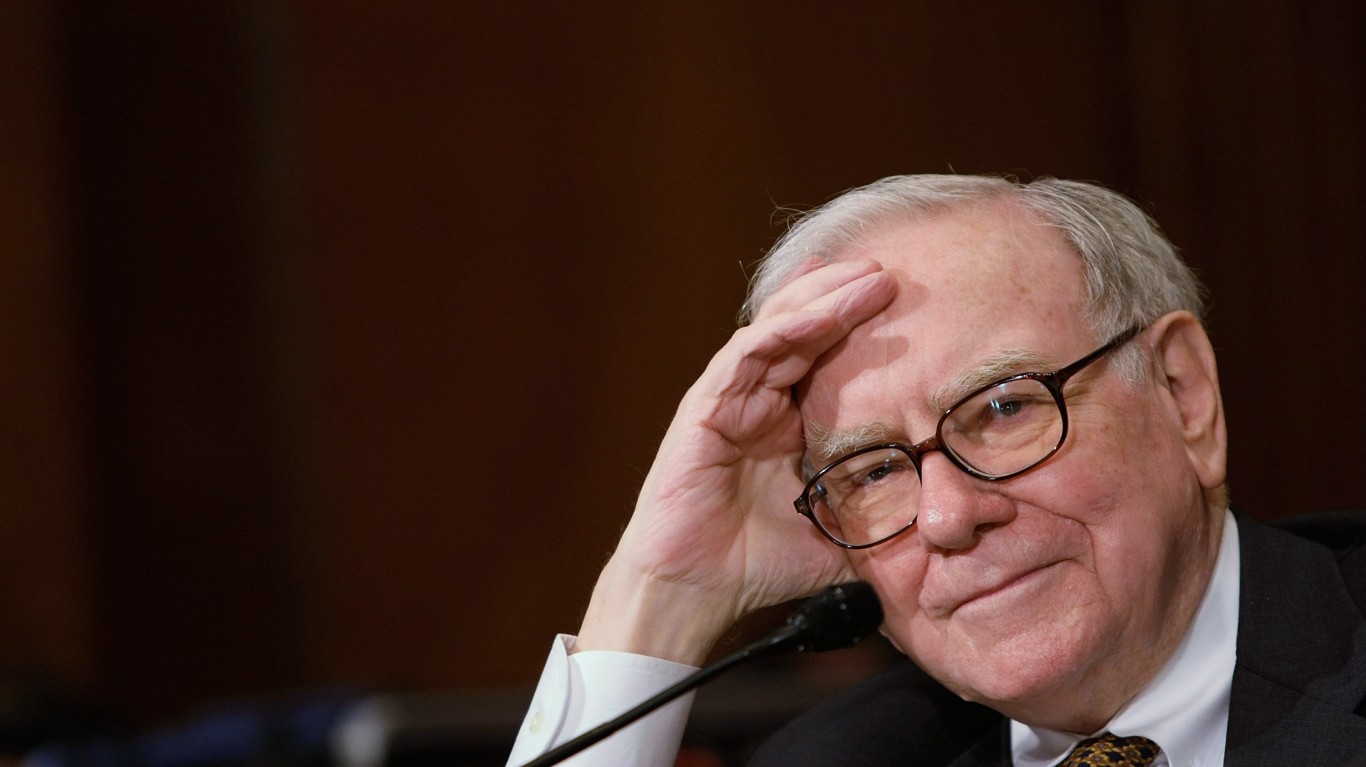
Warren Buffett built Berkshire Hathaway around the castle-and-moat metaphor, and the VanEck Morningstar Wide Moat ETF (NYSEARCA:MOAT) tries to package that idea into a single ticker. Through the first half of 2026, MOAT is down 1.3% year to date while the S&P 500 has climbed 9.2%, which is exactly when the MOAT thesis gets tested. The pitch rests on durable competitive advantages compounding through any environment. Quality bought at the wrong price can still sting, and the 2026 numbers prove it.
What MOAT is buying
The fund tracks the Morningstar Wide Moat Focus Index, which screens U.S. equities for companies Morningstar analysts rate as having a wide economic moat across five sources:
- Switching costs
- Intangible assets
- Network effects
- Cost advantages
- Efficient scale
From that pool, the index picks roughly 50 names trading at the steepest discounts to Morningstar’s internal fair-value estimate, equal-weights them, and rebalances quarterly in two staggered sub-portfolios.
So the return engine has two stages. First, a qualitative judgment that a business can earn excess returns on capital for two decades or more. Then a valuation discipline that trims those businesses when prices run past fair value and rotates into cheaper moats. That second stage is what separates MOAT from a generic quality ETF, and it is also why turnover runs higher than a buy-and-hold investor might assume.
Where the 2026 lag came from
Stack the numbers and the underperformance is obvious. Earlier in the year the gap was uglier; coverage in late March pegged the fund down roughly 7%. Rising 10-year Treasury yields had compressed the present value of long-duration holdings.
The fair-value discipline also worked against it. When Morningstar’s model flags a stock as trading past fair value, MOAT trims or sells. In a year that has rewarded chasing the most expensive names higher, equal weighting and selling winners both bite.
Over five years MOAT returned 46.2% against SPY’s 88%, a meaningful trailing stretch. Over ten years MOAT delivered 249.9% against SPY’s 313%. This is mostly the cost of refusing to chase mega-cap tech at any price.
Tradeoffs you actually live with
Three constraints matter. The 0.46% expense ratio is reasonable for active selection but well above the roughly 0.09% you would pay for a plain S&P 500 index fund, so MOAT must clear that hurdle before any alpha shows up.
Quarterly rebalancing generates turnover and lumpy distributions; the fund paid a $7.56 per share distribution in mid-2025, which is rebalancing-driven rather than a dividend stream you can plan around. And the equal-weight structure guarantees that stretches like 2026, when a handful of giants drag the cap-weighted indexes higher, look like underperformance on a screen.
Who should own MOAT, and who should not
MOAT works as a 5% to 15% sleeve for an investor who wants exposure to durable-advantage businesses at a valuation discipline and can accept years of trailing a cap-weighted index. It pairs with a low-cost core holding rather than replacing one. With $13.3 billion in assets, liquidity is not a concern.
The fund does not fit anyone benchmarking to the NASDAQ-100 or anyone who needs reliable income. Long term, MOAT has delivered roughly market-matching returns from a portfolio that looks nothing like the market. Whether that is worth owning depends on whether you can sit through a year like 2026 without flinching.
Contact [email protected] for any questions or corrections.
Omor Ibne Ehsan is a writer at 24/7 Wall St. He is a self-taught investor with a focus on growth, cyclical, and dividend equities that have strong fundamentals, value, and long-term potential. He also has an interest in high-risk, high-reward investments such as penny stocks.