Wall Street Bank Warns SpaceX IPO Could Trigger Large Sell-Off in Popular Semiconductor Stocks
BNP Paribas is warning clients that this week’s SpaceX IPO could do something the AI rally has not yet had to absorb: force a wave of selling in the very semiconductor stocks that have driven the market higher. Retail investors…

This post may contain links from our sponsors and affiliates, and Flywheel Publishing may receive compensation for actions taken through them.

BNP Paribas is warning clients that this week’s SpaceX IPO could do something the AI rally has not yet had to absorb: force a wave of selling in the very semiconductor stocks that have driven the market higher. Retail investors are expected to be heavy buyers of the IPO, and they will need to raise cash by selling what they already own, which is heavily concentrated in chips and levered NASDAQ products.
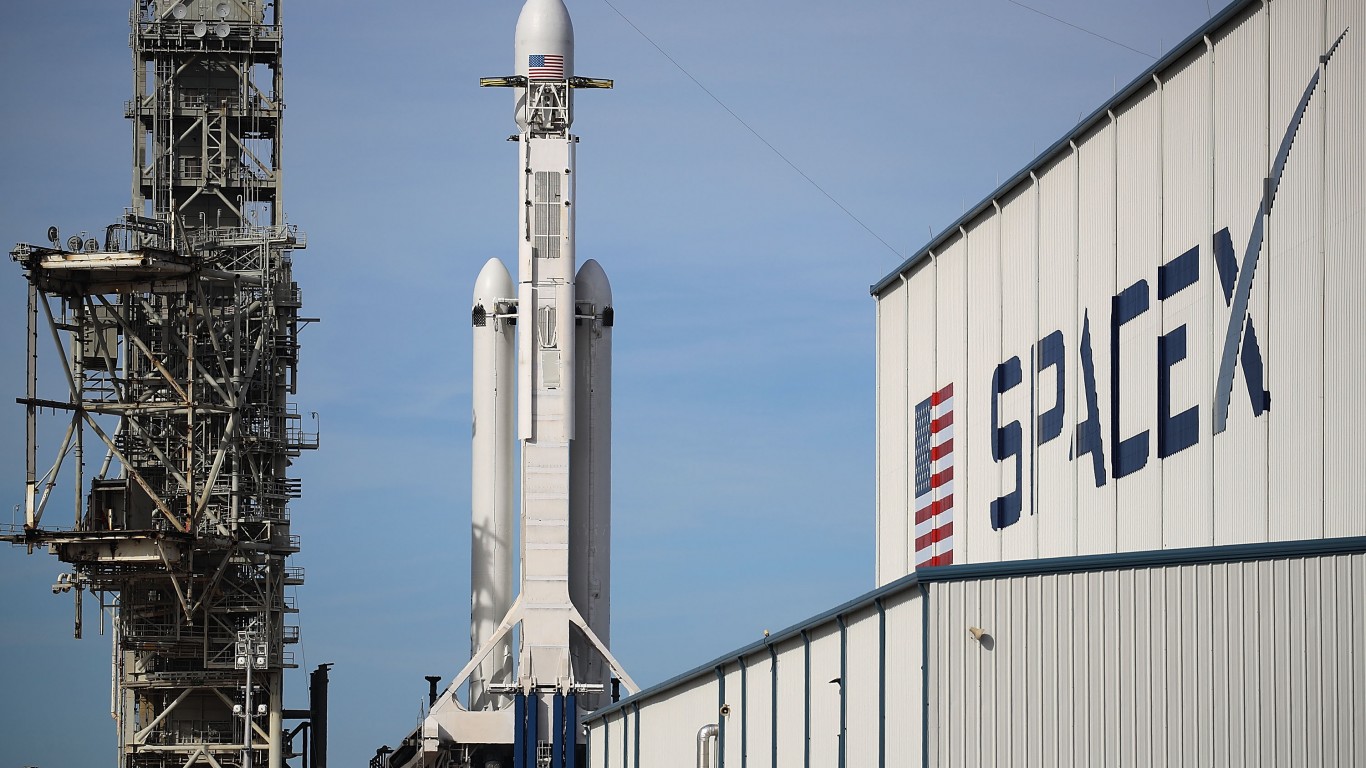
CNBC’s Leslie Picker laid out the bank’s thesis on air, citing BNP Paribas analysis that retail plus passive flows into the SpaceX IPO could total roughly $50 billion, against a tiny float locked up for 366 days with 100% of the founder’s shares restricted under a Goldman Sachs-led syndicate. That combination is what turns a single listing into a market-structure event.
The Funding Problem
Retail investors are expected to account for about 30% of the SpaceX IPO, according to BNP Paribas. The bank’s point is that retail does not have piles of idle cash. To fund SpaceX allocations, those investors must liquidate something, and the obvious candidates are their biggest winners.
As Picker put it, “Retail is expected to comprise 30% of the SpaceX IPO. They may not be sitting on as much ample cash in order to invest. And so that’s why you’re seeing kind of potentially the unwinding of some of these levered ETFs, which have a more pronounced impact on the underlying assets.”
Why Semiconductors Are in the Crosshairs
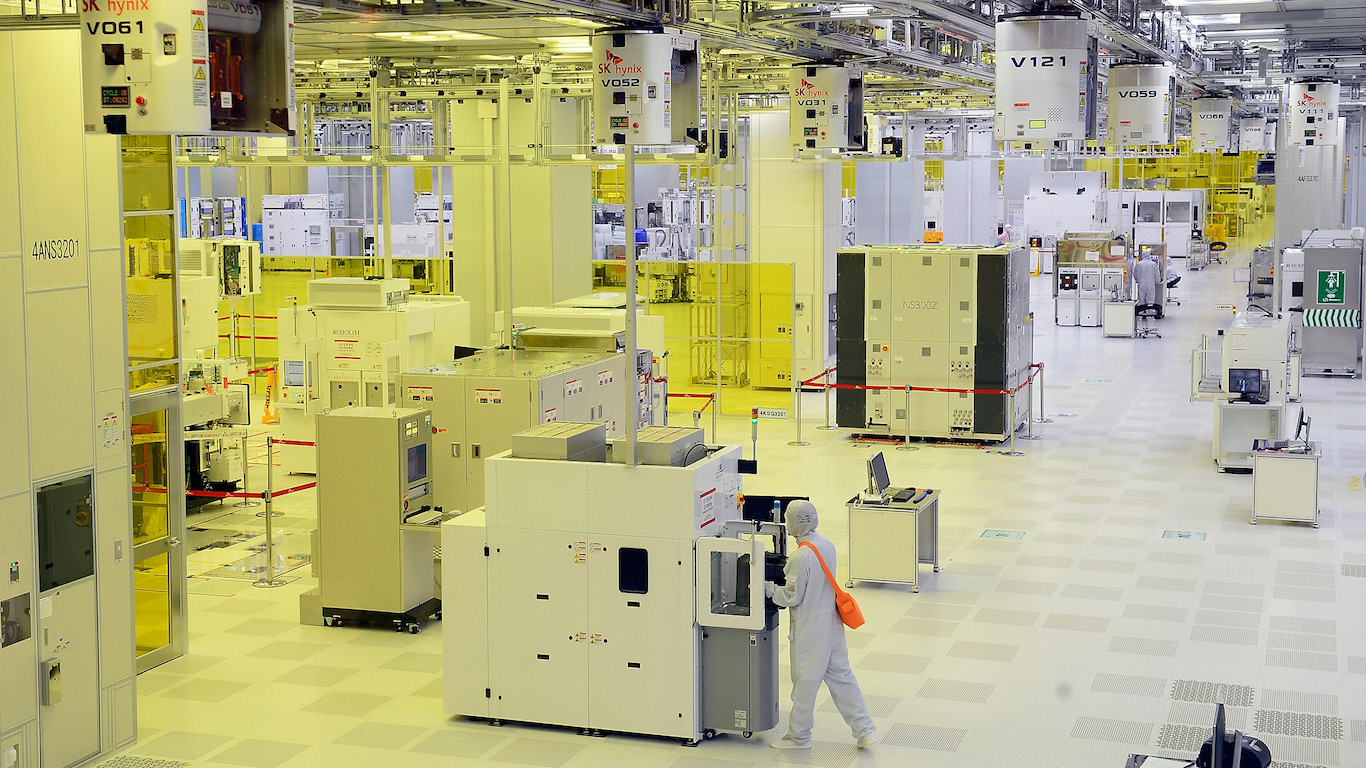
Micron Technology (NASDAQ:MU | MU Price Prediction) received $6.5 billion in net retail flows over the last month, helping drive 87% upside, per BNP Paribas. Micron’s 202.87% year-to-date move and recent Q2 FY2026 revenue of $23.86B with non-GAAP EPS of $12.20 (SEC filing) explain why this is the poster child for retail crowding.
The same dynamic surrounds NVIDIA (NASDAQ:NVDA), Broadcom (NASDAQ:AVGO), Advanced Micro Devices (NASDAQ:AMD), and ASML Holding (NASDAQ:ASML). Picker quoted BNP Paribas directly: “Retail investors have been chasing the upside momentum in semiconductors and hardware and AI power names. Micron alone has seen $6.5 billion in net retail flows in the last month, driving 87% upside.”
The Levered-ETF Amplifier
This is where the warning sharpens. “U.S. equity levered ETF assets have reached an all-time high of more than $175 billion, concentrated largely in the NASDAQ 100 and semiconductors,” Picker said, citing BNP Paribas. “Selling flows in recent winners and levered products from retail to invest in space could be very large.”
Levered ETFs use derivatives to deliver 2x or 3x the daily move of an index. When retail redeems shares, the fund must unwind those derivative positions, magnifying the impact on the underlying stocks. NVIDIA alone accounts for 9.74% of the NASDAQ-100, with Broadcom at 5.57%, so leveraged unwinds disproportionately hit a small number of names.
The Feedback Loop and the Tiny Float
Picker’s synthesis ties it together: “If retail sells out of levered ETFs, that can create even more disproportionate pressure. When you combine SpaceX’s tiny 4% float plus passive and retail flows, and then these options and levered ETFs, you can see a situation where space is performance either to the upside or downside, becomes more pronounced, and has the capacity to bring the rest of the market along with it.”
The timing tell is already visible. The NASDAQ-100 fell 4.5% in the week ending June 5, its worst stretch since April 2025, while the VIX spiked to 21.51, up 39.7% in a single day. That weakness landed exactly one week before the SpaceX listing.
For investors holding crowded chip positions or levered NASDAQ products, the BNP Paribas thesis reframes the IPO as a liquidity event. Institutions carry ample cash, while retail’s lack of dry powder creates the vulnerability. The $50 billion estimate represents a risk scenario, and SpaceX is not yet trading. Investors don’t necessarily need to react today, but they should understand how a massive IPO could affect liquidity and positioning across the broader market.
Contact [email protected] for any questions or corrections.
Thomas Richmond is a financial writer and content strategist with 5+ years of experience covering stocks and financial markets. He has published over 500 articles focused on individual stock analysis, helping investors better understand business fundamentals, stock valuations, and long-term opportunities.
Thomas previously served as a Content Lead at TIKR, a stock research platform, where he helped scale the company’s blog to hundreds of articles per month and contributed to a weekly newsletter reaching more than 100,000 investors.
Outside of work, Thomas enjoys weight lifting and soccer.