The “Warsh Trade” Is Coming. Here’s How to Win the Fed’s Next Pivot
The Federal Reserve’s upcoming June meeting is unlikely to result in a rate cut or increase, with FedWatch estimating over a 98% likelihood that rates will stay stable. This doesn’t mean the meeting won’t make news, though. In fact, the…


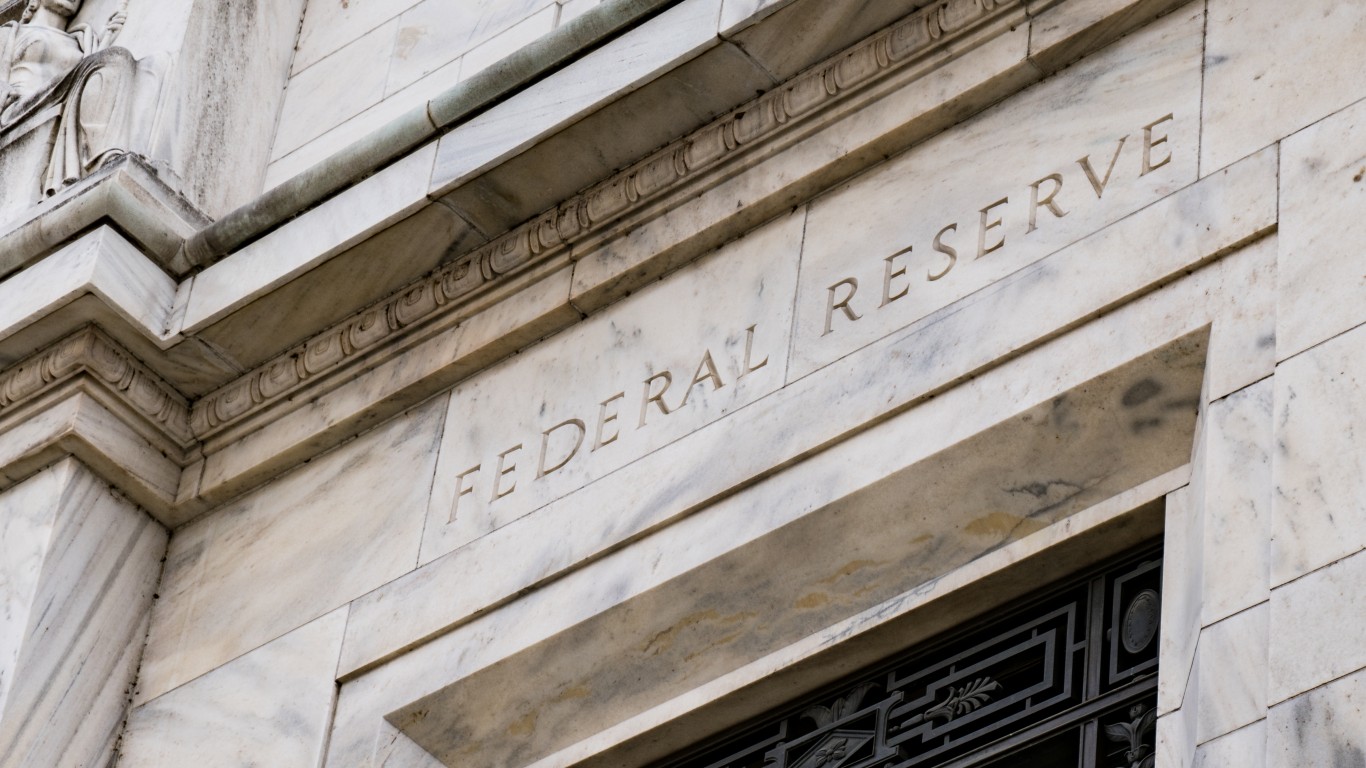
The Federal Reserve’s upcoming June meeting is unlikely to result in a rate cut or increase, with FedWatch estimating over a 98% likelihood that rates will stay stable. This doesn’t mean the meeting won’t make news, though. In fact, the Fed may pivot on a major policy that’s been in effect since the days of Ben Bernanke. If the change occurs in June or at subsequent meetings, it could create tremendous opportunities for a certain kind of investor.
Here’s what the June Fed meeting could bring, along with some details about how investors could use the possible Fed policy shift to their advantage.
The Fed’s next pivot could be your big opportunity
June’s Fed meeting is one to watch for investors, not because of a likely change to interest rates, but because another long-standing Fed policy may change in a way that has a major impact on markets. The policy relates to the way the Fed provides forward guidance.
In the aftermath of the financial crisis, Ben Bernanke revolutionized the way the Fed communicated with the public. With the goal of increasing market stability and reducing investor reliance on post-Fed meeting statements for clues as to the Central Bank’s policy position, Bernanke introduced the dot plot. The dot plot is released quarterly with the Summary of Economic Projections, and it’s based on a survey of Fed officials, including governors and bank reserve presidents. Each anonymous dot on the plot reflects the opinion of one Fed official regarding the appropriate midpoint of the federal funds rate at year’s end, over the coming years, and over the long-term.
The dot plot is not a guarantee of what the Fed will do, but it offers insight that shapes market expectations without the Fed officially committing to a strict policy. It’s largely done a good job of allowing the Fed to avoid market-moving surprises and to enable investors to bake in likely rate changes before they occur, so the market is less volatile with fewer wild swings.
However, the new Fed chairman, Kevin Warsh, who was sworn in on May 22, 2026, has concerns that it may result in Fed officials being slower to change their positions, locking the Fed into stale policy and compounding errors in economic projections. Warsh has signaled a desire to substantially limit forward guidance, including reforming or eliminating the dot plot, and a change could be announced as soon as June. This would be a major pivot on the part of the Fed, which has embraced this aggressive forward guidance that has existed for well over a decade.
How the Fed’s pivot could present opportunities

Without the dot plot, investors face both more risk and greater opportunities. Increased market volatility is almost inevitable as investors will have less insight into upcoming changes to monetary policy, leading to wider swings in the market when the Fed’s interest rate decisions come as a surprise.
Investors who can benefit the most will need to be good at reading the tea leaves based on post-Fed meeting statements, inflation and jobs data, and other information put forth by the Fed officials. However, investors will need to not just understand what the Fed is likely to do, but also how stocks or bonds will react. This requires developing a deep understanding of the transmission mechanisms of monetary policy, such as how rate expectations influence borrowing costs, corporate earnings, sector rotations, and bond yields. Ambitious investors will also need to hone their skills in real-time analysis of economic indicators, official speeches, and market sentiment.
The most succesful investors will likely combine rigorous data tracking of key indicators affecting Fed policy — like CPI, employment reports, and Fed balance sheet details — with experience-based pattern recognition, scenario planning, and sometimes quantitative models or sentiment tools. Those who develop these skills can position portfolios ahead of volatility spikes, capitalize on mispricings, and achieve superior risk-adjusted returns compared to those reliant on the old, more predictable guidance regime.
Contact [email protected] for any questions or corrections.
Christy Bieber has been a personal finance and legal writer since 2008. She has a JD from UCLA School of Law and a BA in English, Media and Communications with a certification in business from the University of Rochester.
Christy has been published by a wide variety of sites, including WSJ Buy Side, Forbes, Kiplinger, Fox Business, Credit Karma, Insurify, and Annuity.org. In addition to writing for the web, she has also ghostwritten textbooks on business and law and served as a subject matter expert for course design.