Why SpaceX Is About to Spend Billions on Something It Can’t Launch
SpaceX just committed to its biggest purchase ever, and it has nothing to do with rockets, engines, or satellites. The cargo is invisible, weighs nothing, and may determine whether Starlink wins the future of wireless.

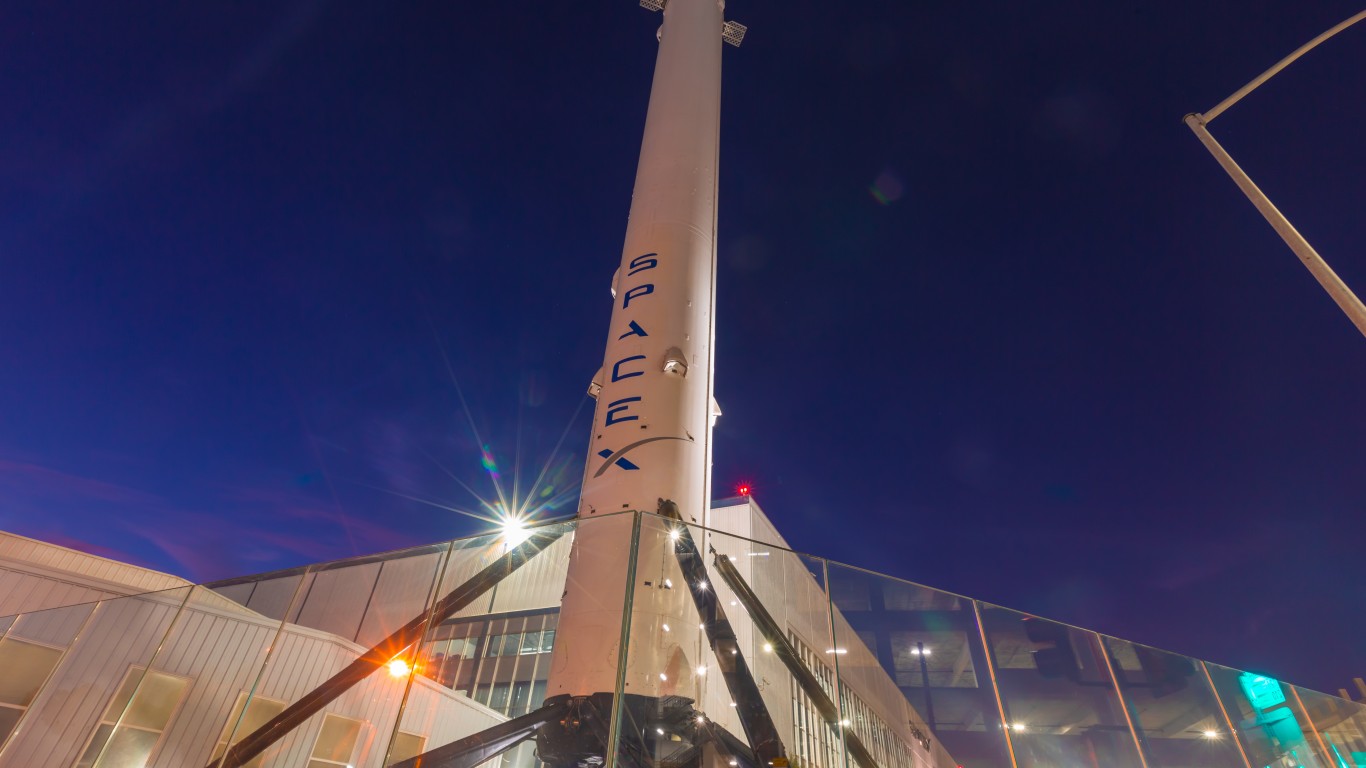
SpaceX is the company that builds rockets. So when I tell you it just committed roughly $19.6 billion to acquire something it can never strap to a Falcon 9, your first reaction should be: what could possibly be worth that much to a launch company?
The answer is invisible, it weighs nothing, and it sits at the heart of every wireless signal you use. Spectrum.
The Deal Hiding Inside the IPO Paperwork
Buried in SpaceX’s pre-IPO disclosures is the EchoStar Spectrum Transaction, and it is the largest single capital commitment the company has ever made outside of building its own hardware. On September 7, 2025, SpaceX signed a License Purchase Agreement with EchoStar (NASDAQ:SATS) for the AWS-4 and H-Block spectrum licenses. On November 5, 2025, the parties amended the deal to include up to 15 MHz of additional unpaired AWS-3 spectrum.
The price tag breaks down like this: approximately $11.1 billion in equity, payable through roughly 261.8 million Class A shares at a fixed value of $42.40 per share, plus up to $8.5 billion related to the payoff of designated EchoStar debt. On top of that, SpaceX is making interim debt service payments on EchoStar’s obligations, an aggregate of approximately $3 billion through November 30, 2028.
The FCC approved the transaction on May 12, 2026, and closing is expected on or about November 30, 2027.
Why Spectrum Is the Real Bottleneck
SpaceX can build satellites faster than anyone. It cannot manufacture more radio frequency. Spectrum is the toll road every wireless signal has to drive on, and the government rents the lanes. Without those lanes, the satellites in orbit are quiet hardware.
The company says this directly in its own risk language: "Spectrum access itself is limited and highly regulated." And on the strategic upside, the disclosures say the new licenses, combined with authorization to deploy 7,500 satellites including with the 2GHz spectrum band, will provide stronger support for current performance and potential future services, including broadband data and IoT connectivity, and is expected to enable 5G connectivity."
The Starlink Mobile Endgame
I have been studying the Starlink business model for two years, and the EchoStar deal finally makes the next chapter legible. Connectivity revenue grew 96.4% in 2024 to $7,599 million, and SpaceX expects Starlink Mobile to become a significant new contributor of Connectivity segment revenue. To deliver phone-to-satellite service at scale, you need wide swaths of mid-band spectrum. EchoStar happened to be sitting on exactly that, while HughesNet was facing cash flow issues.
So SpaceX, the launch company, is about to spend roughly twenty billion dollars on cargo that will never see a launch pad. The airwaves are the moat.
Contact [email protected] for any questions or corrections.
I've been writing about stocks and personal finance for 20+ years. I believe all great companies are tech companies in the long run, and I invest accordingly.