Micron Is Up 800% in a Year, and This Money Manager Says the Next Pullback Is Your Entry
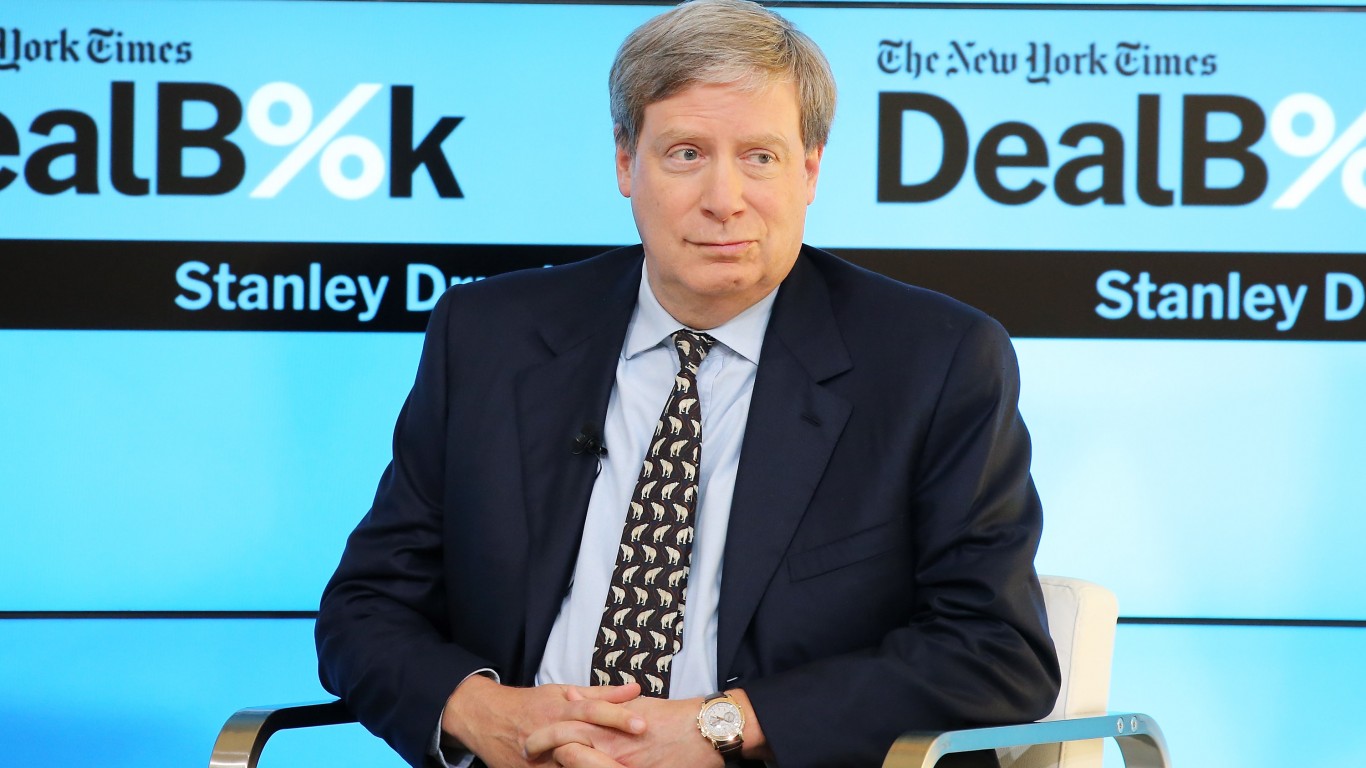
Sarat Sethi, managing partner at DCLA, went on CNBC on June 22, 2026 and said the quiet part loud about memory stocks. “Micron is 800, 800% last year. So definitely a little bit ahead of itself. And then when you…

This post may contain links from our sponsors and affiliates, and Flywheel Publishing may receive compensation for actions taken through them.

Sarat Sethi, managing partner at DCLA, went on CNBC on June 22, 2026 and said the quiet part loud about memory stocks. “Micron is [up] 800, 800% last year. So definitely a little bit ahead of itself. And then when you do get that pullback that could be the opportunity.” That is the whole trade in two sentences, and it lined up almost too neatly with what happened the next morning, when shares opened sharply lower on profit-taking ahead of fiscal Q3 results.
Why Sethi thinks the next dip is the trade
Sethi’s framework separates mechanical selling from fundamental damage. “If the case is, hey, we are hitting our numbers and we’re exceeding guidance and the stock pulls back 20, 25%. It’s just that the quick, fast money in the last month has kind of come out of it.” The corollary, in his words, “When it comes down you want to get out of the way. But the question is is a short term blip on the way to a higher high, which right now looks like it’s going to be.”
The price action backs up the “ahead of itself” part. Micron Technology (NASDAQ:MU | MU Price Prediction) is up 713% over the trailing year and 16% in just the last month, with a 10.56% single-day drop on June 23 from $1,211.38. Prediction markets were already sniffing this out. The Polymarket contract on direction for June 23 was pricing in a 99% probability of a down day, even while assigning a 96% probability that Micron beats earnings on June 24. The crowd reads the same setup Sethi does. Call it a tactical flush inside an intact uptrend.


The numbers behind the multibagger move
The fundamentals carry the move. Fiscal Q2 2026, filed March 18, 2026, delivered revenue of $23.86 billion, beating consensus by 22.28%, with non-GAAP EPS of $12.20 against an $8.73 consensus. GAAP gross margin reached 74.4%, up from 36.8% a year earlier. The Cloud Memory unit alone did $7.75 billion at a 66% operating margin.
Management guided for fiscal Q3 revenue of $33.50 billion plus or minus $750 million, EPS around $19.15, and gross margin near 81%. CEO Sanjay Mehrotra framed it bluntly. “In the AI era, memory has become a strategic asset for our customers, and we are investing in our global manufacturing footprint to support their growing demand.” The board paired that with a 30% dividend hike, signaling the company believes the cycle has legs.

SanDisk and the broader memory re-rating
SanDisk (NASDAQ:SNDK) shows this is sector-wide. SNDK is up 3,942% over the past year off a low base, and its most recent quarter posted revenue of $5.95 billion, up 251% year over year, with the Datacenter segment growing 645%. CEO David Goeckeler called it “a fundamental inflection point for Sandisk”, and the company retired $650 million of debt to reach a zero long-term debt balance sheet. That is what supply-constrained pricing power looks like in financial form.
Sethi’s broader point is that memory chip demand is expected to remain strong for at least a couple more years, with Apple, hyperscale data centers, and AI infrastructure as the buying base. SK Hynix overtook Samsung as South Korea’s most valuable company, and SanDisk received major price-target hikes from Bernstein and Needham. Three independent data points, one direction.
What separates a healthy pullback from a regime change
Using Sethi’s playbook, watch for two tells on the June 24 earnings release. One, does Micron clear the $33.50 billion revenue guide and lift the next quarter again. Two, does management talk about customer order books extending further into 2027, or do they hedge. A 20% to 25% pullback against a guide-up earnings report is the Sethi setup. A pullback against softening commentary on hyperscaler ordering is something else entirely, and it is the scenario where you want to get out of the way.
Contact [email protected] for any questions or corrections.
Omor Ibne Ehsan is a writer at 24/7 Wall St. He is a self-taught investor with a focus on growth, cyclical, and dividend equities that have strong fundamentals, value, and long-term potential. He also has an interest in high-risk, high-reward investments such as penny stocks.