Jim Cramer: “The Real Bull Market” Is Happening in Health Insurance. CVS Is One of the Biggest Winners as Walgreens “Basically Disappears”
Jim Cramer used his July 9, 2026 CNBC Stop Trading segment to plant a flag on managed care, framing CVS Health (NYSE:CVS | CVS Price Prediction) as the consolidation winner in a sector where insurers are finally getting paid for…

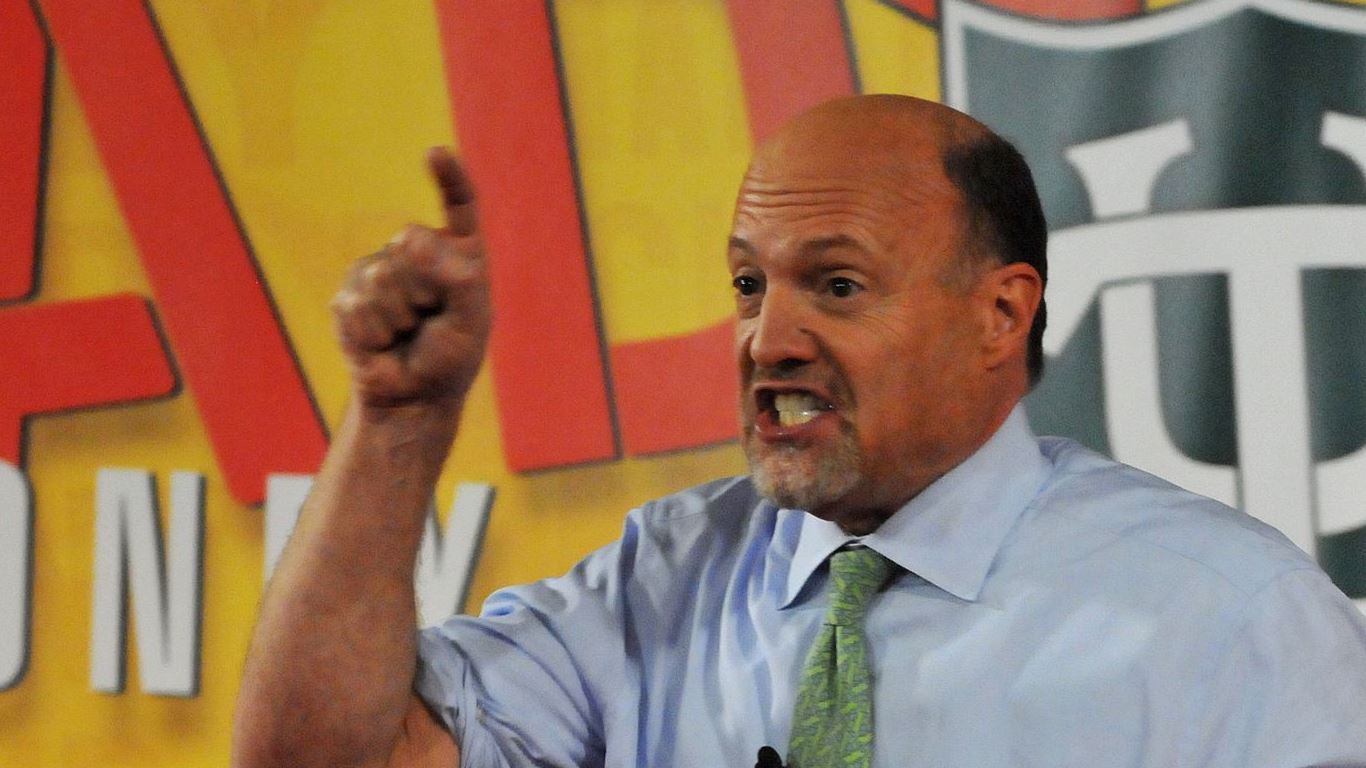
Jim Cramer used his July 9, 2026 CNBC Stop Trading segment to plant a flag on managed care, framing CVS Health (NYSE:CVS | CVS Price Prediction) as the consolidation winner in a sector where insurers are finally getting paid for the risks they underwrite. RBC raised its price target on CVS Health, and Cramer connected that call to a broader thesis: with rivals shrinking and premiums climbing, the operators still standing have real pricing power.
“The real bull market here has been for the last month the UNH managed care insurance business,” Cramer said. He added, “We had Walgreens basically disappearing. We had Rite Aid disappearing. We have CVS, CVS redoing the front of the store and CVS doing a terrific job with Aetna.” Cramer expected meaningful pricing power to return: “The price increases in DRAM and price increases in health insurance are going to be double-digit.”
For investors looking to build lifelong dividend income, our Free Report: Never Touch the Principal, explains how to structure a portfolio that pays you consistently and dependably without ever drawing down your principal.
Cramer Says CVS Is the Biggest Winner From Industry Consolidation
The retail pharmacy shakeout has been a big tailwind for CVS. With Walgreens and Rite Aid stepping back, CVS captures more front-of-store foot traffic and prescriptions, flowing straight into an insurance and pharmacy benefit engine that just had its best quarter in years.
In Q1 2026, CVS posted adjusted EPS of $2.57 versus a $2.21 consensus on revenue of $100.43 billion. The Aetna-anchored Health Care Benefits segment saw adjusted operating income climb 52.6% year over year to $3.04 billion, while the medical benefit ratio improved to 84.6% from 87.3%. Management raised full-year adjusted EPS guidance to $7.30-$7.50 and lifted the operating cash flow target to at least $9.5 billion.
CVS shares are up 7.61% over the past month and 61.69% over the past year, trading around $104.72. The average analyst price target sits around $107.73, with 24 buy or strong buy ratings against just four holds. The stock’s forward P/E is about 14x, which still represents a discount to the group despite the run.
UnitedHealth Shows Why Pricing Power Is Returning
UnitedHealth Group (NYSE:UNH) is the clearest evidence that Cramer’s double-digit thesis holds. Management explicitly cited “repricing across all lines of business in response to elevated but in-line cost trends” as the driver of Q1 2026 margin expansion. The medical cost ratio improved 90 basis points to 83.9%, and adjusted EPS came in at $7.23 versus a $6.61 consensus. Full-year adjusted EPS guidance was raised to greater than $18.25.
UNH is willingly shedding members. Guidance calls for UnitedHealthcare enrollment of 46.9 to 47.5 million, down from 49.8 million in 2025, as the company exits unprofitable contracts. Shares are up 5.27% in the past month and 42.03% over the past year. Polymarket traders currently price in a 71% probability that UNH will beat its next quarterly earnings report, due July 16.
Humana Is Benefiting From Better Medicare Economics
Humana (NYSE:HUM) rounds out the trio. Q1 2026 revenue jumped 23.5% year over year to $39.65 billion, with individual Medicare Advantage membership up roughly 1.14 million, or 22% year to date. The insurance segment benefit ratio landed at 89.4%, favorable to guidance. Humana shares have led the group over the past month, rising 11.58%, and are up 55.89% year to date.
FY2026 adjusted EPS guidance of at least $9.00 steps down from the prior year’s $17.14, reflecting the bonus-payment reset. Cramer’s argument is that improved CMS benchmark funding and IRA-driven Part D subsidies could pull the sector back toward equilibrium faster than bears expect.
What to Watch Next
Cramer’s thesis ultimately comes down to pricing power. As weaker competitors shrink or disappear and insurers reprice policies to reflect higher healthcare costs, the industry’s earnings outlook appears far healthier than it did a year ago.
The next major test arrives with UnitedHealth’s earnings on July 16, followed by updates from CVS and Humana later in the quarter. Investors will be watching whether improving medical cost ratios and higher premiums continue translating into stronger margins across the sector.
Contact [email protected] for any questions or corrections.
Thomas Richmond is a financial writer and content strategist with 5+ years of experience covering stocks and financial markets. He has published over 500 articles focused on individual stock analysis, helping investors better understand business fundamentals, stock valuations, and long-term opportunities.
Thomas previously served as a Content Lead at TIKR, a stock research platform, where he helped scale the company’s blog to hundreds of articles per month and contributed to a weekly newsletter reaching more than 100,000 investors.
Outside of work, Thomas enjoys weight lifting and soccer.