Jim Cramer Says SK Hynix Analysts Must Raise Numbers: What It Means for the Biggest Nasdaq IPO in Years
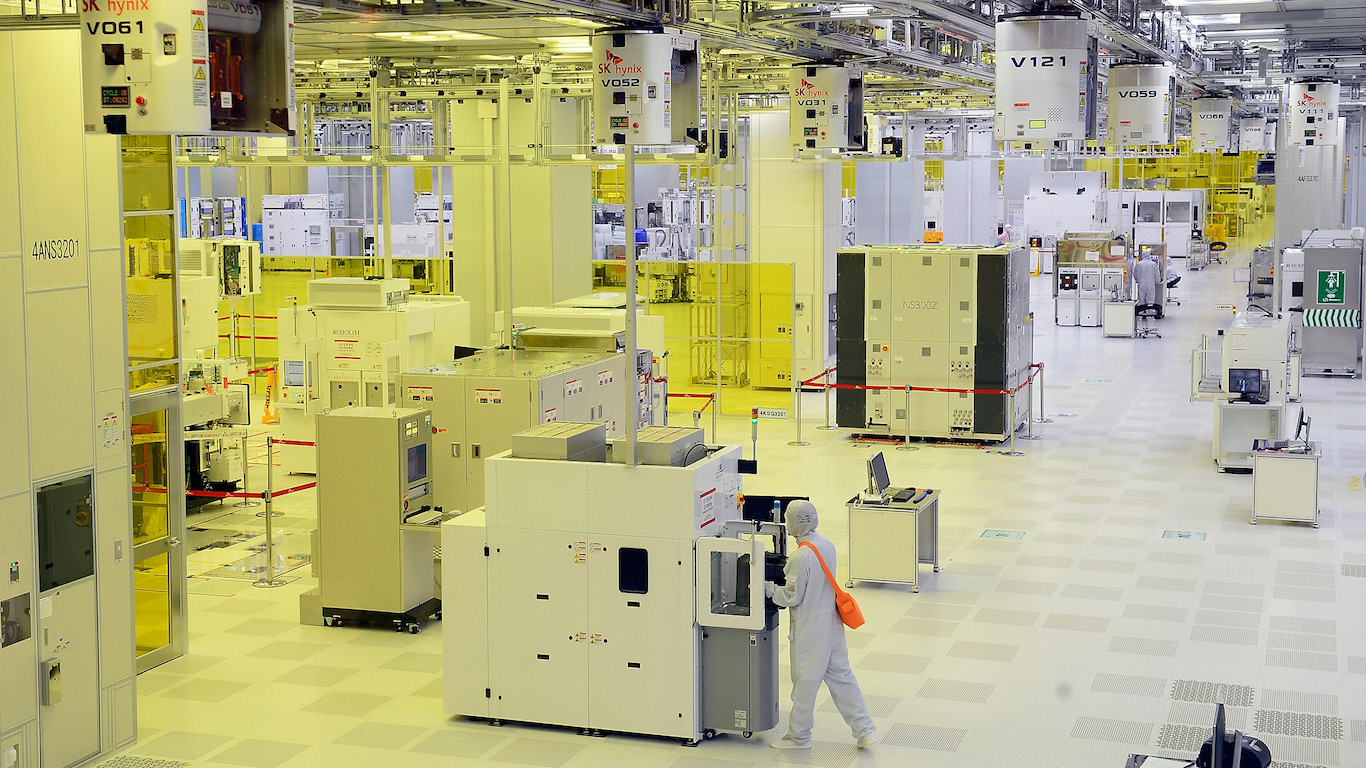
Jim Cramer is calling on Wall Street analysts to act before Monday's open, and the pressure he is putting on the SK Hynix syndicate reveals exactly how fragile the biggest Nasdaq IPO in years could become at the starting gate.

This post may contain links from our sponsors and affiliates, and Flywheel Publishing may receive compensation for actions taken through them.

Jim Cramer sees the SK Hynix listing on NASDAQ as a defining moment for the memory trade. In an X post Friday morning, Cramer wrote: “The SK Hynix analysts should come out Monday with raised numbers to keep this thing tight. I still don’t like how the syndicate managers are so granular. But there are some good long only’s in the mix.”
The message targets pricing dynamics for what is being described as the biggest NASDAQ IPO in years. Cramer wants Wall Street estimates lifted to justify the deal’s valuation, flags syndicate fragmentation as a risk to orderly post-IPO trading, and points to quality long-only institutional buyers as the offsetting positive. Upward estimate revisions are critical to supporting the deal’s valuation and market reception.
Why Raised Numbers Matter for the Memory Complex
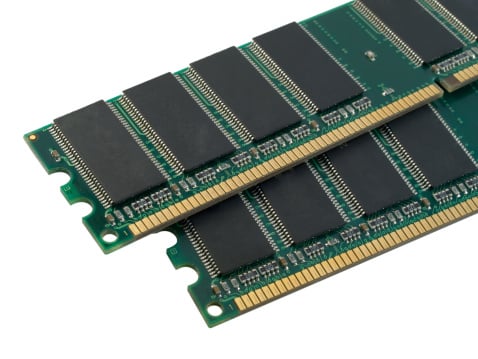
SK Hynix does not yet trade under its own ticker on U.S. exchanges, so the closest publicly traded proxy is Micron Technology (NASDAQ:MU | MU Price Prediction), the only U.S.-based memory manufacturer and SK Hynix’s primary competitor in DRAM and high-bandwidth memory. Micron’s most recent quarter shows analyst models across the group have been running too cold.
In fiscal Q3 2026, filed June 24, 2026, Micron posted revenue of $41.456 billion, up 345.7% year over year and beating consensus by 17.60%. Non-GAAP diluted EPS came in at $25.11 against a $20.28 consensus, and GAAP gross margin expanded to 84.6% from 37.7% a year earlier. Q4 guidance calls for $50.0 billion in revenue and non-GAAP EPS of $31.00 at the midpoint. Full details are in Micron’s Q3 press release filed with the SEC.
CEO Sanjay Mehrotra said the results “reflect the strategic value of memory in the AI era” and pointed to multi-year Strategic Customer Agreements designed to lock in AI demand. Seven consecutive quarterly EPS beats suggest the buy side already knows the sell side is behind. That is the read-through Cramer wants applied to SK Hynix before Monday.

NVIDIA Is the Demand Engine
NVIDIA (NASDAQ:NVDA) drives the memory supercycle. Q1 FY2027 revenue reached $81.61 billion, up 85.2% year over year, with total supply-related commitments of $119.0 billion and Q2 guidance of $91.0 billion. Jensen Huang described the setup as “the largest infrastructure expansion in human history”. Every Blackwell rack and every Vera Rubin system NVIDIA ships requires HBM stacks supplied at scale by SK Hynix today, with Micron closing the gap on HBM4. The NASDAQ listing pulls that supply chain into direct view of U.S. investors for the first time.
What Cramer’s Read on the Investor Mix Signals
Granular allocations can hit the tape as scattered sell pressure on day one, while quality long-only participation dampens that risk. Prediction markets show retail traders are already leaning constructive on Micron: Polymarket assigns a 59% probability that Micron closes above $1,100 by end of July, with meaningful probability priced through $1,320. Reddit sentiment on Micron sat at a 73 bullish score on July 10, with retail investors explicitly framing the SK Hynix listing as “the next leg” of the memory trade.
SK Hynix has publicly targeted a 30% CAGR in HBM through the end of the decade, and the AI-specific memory market was projected to grow 96% in the current year. For readers mapping the second-order beneficiaries of the AI accelerator buildout, our Next Nvidia Playbook report walks through the companies feeding it.
What to Watch Monday
Micron is up 247.66% year to date and 712.54% over one year, closing at $991.64 on July 9. NVIDIA closed at $202.78, up 8.86% year to date. If Cramer’s Monday upgrade wish materializes, the sell side’s Micron numbers get harder to defend at current levels, and the read-through on SK Hynix’s opening tape strengthens. If the syndicate delivers messy allocations, near-term action in the ADRs and in Micron could look choppier than the underlying demand signal justifies.
Contact [email protected] for any questions or corrections.
I am a long time investor and student of business, and believe finding good companies that can become great investments is the best game on earth. After 20 years of writing and researching the public markets it is clear that individuals have never had more tools and information to take control of their financial lives. From ETFs and $0 commissions to cryptos and prediction markets there has never been a greater democratization of access to investing.
I write to help people understand the investments available to them so they can make the best choice for their portfolio, whether they're starting out or looking for income in retirement.