Memory Market Expert: “SK Hynix Is Bigger, Cheaper and Closer to NVIDIA.” Inside Its $26.5 Billion Nasdaq Debut
SK Hynix just pulled off one of the largest share sales in history, and one memory market expert says U.S. investors have been missing the single most critical bottleneck in the entire AI supply chain. Here is why that changes…

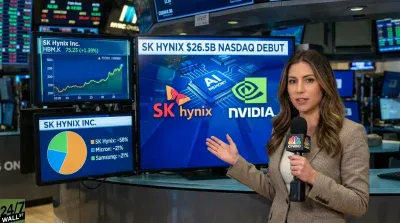
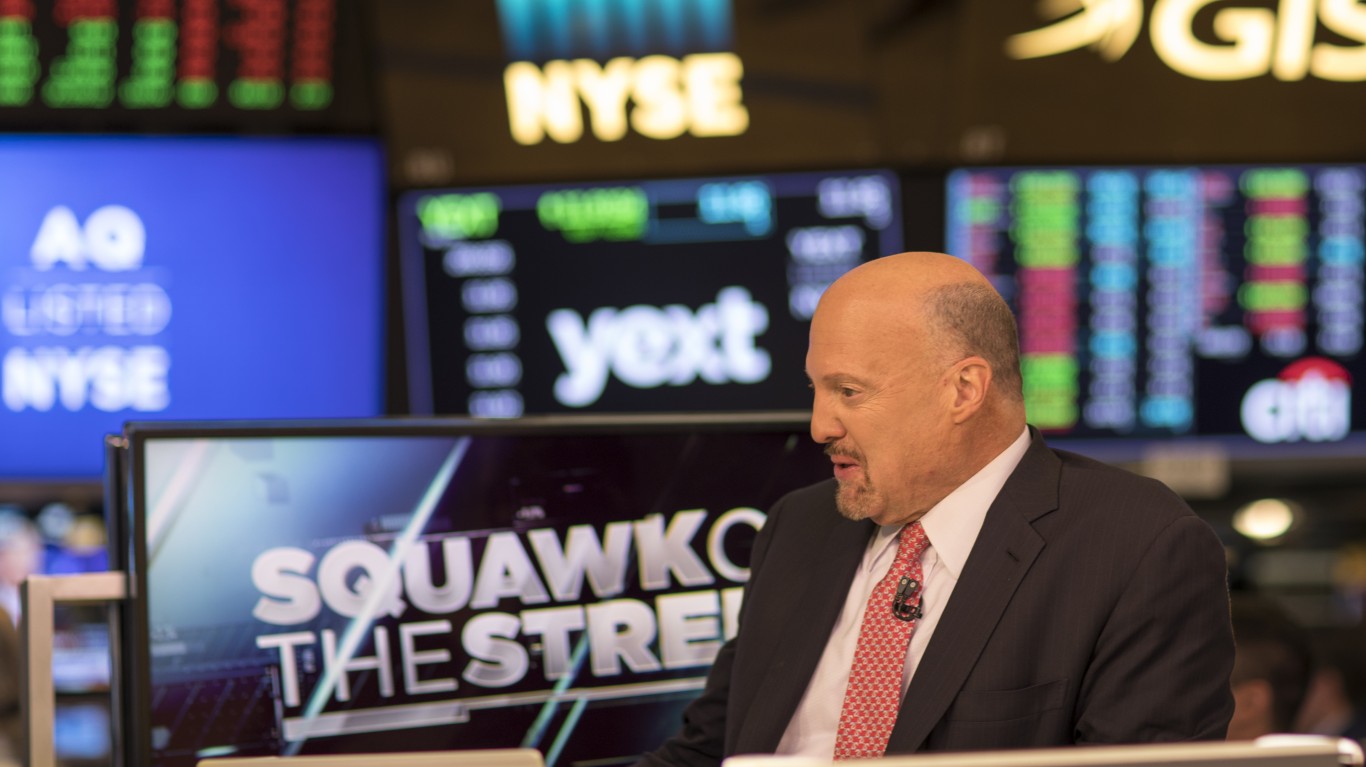
During a July 10 CNBC segment, Kristina Partsinevelos framed SK Hynix’s roughly $26.5 billion capital raise at $149 per American depositary share as a defining moment for the AI supply chain. The Korean memory giant controls approximately 58% of the high-bandwidth memory market, giving it a commanding position in the technology required to make NVIDIA’s most advanced chips work. The offering ranks as the second-largest share sale ever, trailing only SpaceX’s NASDAQ debut last month.
For U.S. investors, the debut closes a long-standing accessibility gap. SK Hynix has been the essential HBM supplier to NVIDIA (NASDAQ:NVDA | NVDA Price Prediction) throughout the AI buildout, yet trading in the Korean parent required navigating Seoul-listed shares. It also arrives as Nvidia CEO Jensen Huang’s “largest infrastructure expansion in human history” creates extraordinary demand for a product that remains in short supply.
SK Hynix Controls the Memory Powering the AI Revolution
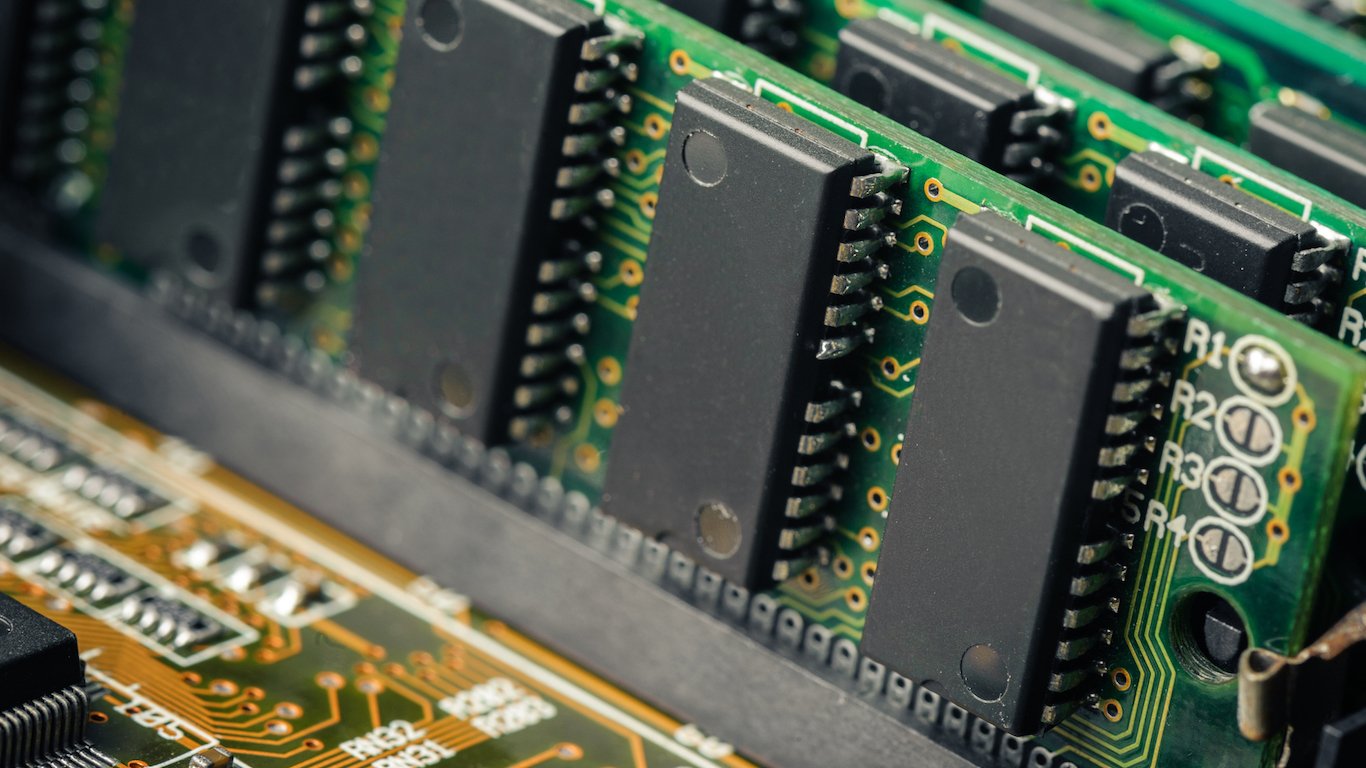
The core setup for SK Hynix, according to Partsinevelos: “SK Hynix is the world leader in high bandwidth memory. The memory that feeds AI chips with roughly 58% of that market. Micron and Samsung competitors split roughly 21% each… as per Counterpoint Research.” She added a blunter framing of the competitive stack: “SK Hynix is bigger, cheaper and closer to NVIDIA.”
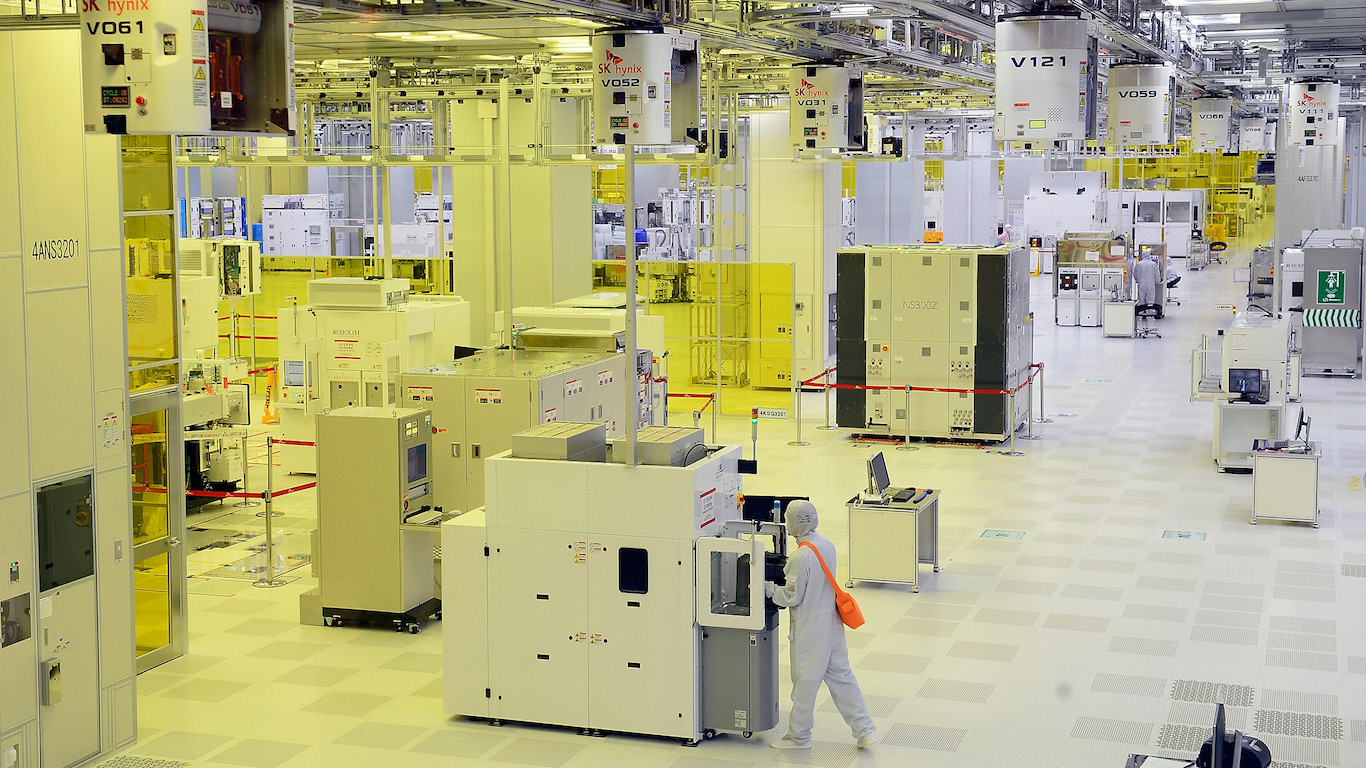
Partsinevelos noted revenue is expected to triple to $235 billion this year, with the company committing over $720 billion in capital investment over the coming years, primarily in South Korea. A separate roughly $458 million from the U.S. CHIPS Act is earmarked for an Indiana advanced packaging facility.
New Supply Will Likely Not Arrive Until 2027
Memory prices have been incredibly strong due to tight supply. “None of that supply, though, arrives before late 2027, which keeps the memory shortage going and record-high prices intact for now,” Partsinevelos said. Passive flows may amplify the near-term move: “Berkeley estimates the stock could see up to roughly $14 billion in passive buying alone as it enters the major indices just over the next few months.”
Readers looking for the broader thesis on companies riding this wave can dig into our Free Report: 7 Stocks Powering the AI Boom (That Aren’t Chipmakers).
Micron Shows How Valuable AI Memory Has Become
SK Hynix’s U.S.-listed challenger, Micron Technology (NASDAQ:MU), shows why memory investors are watching HBM share so closely. Micron posted Q3 FY2026 revenue of $41.456 billion, up 345.7% year over year, with non-GAAP diluted EPS of $25.11 and GAAP gross margin of 84.6%. Guidance for the following quarter calls for revenue of $50.0 billion plus or minus $1.0 billion. CEO Sanjay Mehrotra said in the Q3 release that results “reflect the strategic value of memory in the AI era.”

Micron’s HBM4, built on 1-beta DRAM, is in high-volume shipments for its lead customer platform, and HBM4E is in development, with volume production expected in calendar 2027. Shares closed at $991.64 on July 9, up 247.66% year to date. Analysts maintain a consensus price target of $1,486, with the stock currently sporting a forward P/E of about 6.
NVIDIA’s Growth Is Creating an Unprecedented Demand Signal
On the demand side, NVIDIA reported Q1 FY2027 revenue of $81.62 billion, up 85.2% year over year, with Data Center revenue of $75.25 billion and total supply-related commitments of $119.0 billion. Shares closed at $202.78 on July 9. Every one of Nvidia’s Blackwell and Vera Rubin systems requires HBM stacks supplied at scale by SK Hynix today.
The Long-Term Warning
SK Hynix’s U.S. debut gives investors direct access to the company holding the strongest position in one of the AI buildout’s tightest bottlenecks. It controls roughly 58% of the HBM market, and new capacity will not materially alleviate the shortage before late 2027.
Partsinevelos closed with the industry’s most durable caveat: “The longer term risk, though, is that memory has never really met a supercycle that didn’t eventually crash.” History is unambiguous on that point. For now, the memory shortage is likely to persist into 2027, index inclusion should act as a mechanical bid for the stock, and the three players controlling roughly 95% of memory production remain in a pricing environment they have not enjoyed in over a decade.
Contact [email protected] for any questions or corrections.
Thomas Richmond is a financial writer and content strategist with 5+ years of experience covering stocks and financial markets. He has published over 500 articles focused on individual stock analysis, helping investors better understand business fundamentals, stock valuations, and long-term opportunities.
Thomas previously served as a Content Lead at TIKR, a stock research platform, where he helped scale the company’s blog to hundreds of articles per month and contributed to a weekly newsletter reaching more than 100,000 investors.
Outside of work, Thomas enjoys weight lifting and soccer.