Tech Experts Warn: Memory Shortage Crisis Won’t Ease Until 2028, and RAM Makers Have No Incentive to Fix It
A recent This Week in Tech (TWiT) episode titled “Flock of SQLs,” explored an unintended consequence of the AI boom that feels meaningful for semiconductor and consumer hardware stocks. A global RAM shortage driven by AI data center demand is…

This post may contain links from our sponsors and affiliates, and Flywheel Publishing may receive compensation for actions taken through them.

A recent This Week in Tech (TWiT) episode titled “Flock of SQLs,” explored an unintended consequence of the AI boom that feels meaningful for semiconductor and consumer hardware stocks. A global RAM shortage driven by AI data center demand is forcing device makers to raise prices. The three dominant memory suppliers, SK Hynix, Micron, and Samsung, have little incentive to relieve the squeeze, and meaningful relief may not arrive until 2028. The panel pinned the trouble on hyperscalers’ demand for DRAM and high-bandwidth memory for AI training and inference, and their ability to outspend PC and console OEMs.
Why Consumer Electronics Are Getting More Expensive
Apple (NASDAQ:AAPL | AAPL Price Prediction) recently raised its prices by as much as $200 across its lineup. Daniel Rubino characterized this as Apple’s second price hike, with the first coming in March. Jennifer Pattison Tuohy flagged price increases on older devices like the Apple TV and HomePods. The panel said the Apple iPhone, Apple Watch, and AirPods appear exempt for now, likely because Apple secured supply in advance, though panelists still expect expensive new iPhones in September.
On the Microsoft (NASDAQ:MSFT) side, the panel cited the Xbox climbing from $499 toward $799, a hardware reset for Microsoft attributed to memory cost pressure. Valve, makers of the Steam Machine, reportedly told the panel that RAM suppliers gave them a quoted price “or they wouldn’t talk to us again.” Leo Laporte separately suggested, as his own speculation, that Apple may be lobbying the federal government to lift restrictions on a Chinese chipmaker as part of an effort to find more supply.
Why the Memory Shortage Could Last for Years
Dan Patterson described a textbook supply squeeze on the episode. The three dominant memory suppliers, SK Hynix, Micron, and Samsung, are locking buyers into multi-year deals, with Micron pushing 16 companies into five-year contracts. New fabs cost upward of $10 billion and take five-plus years to build, so the incumbents have no commercial reason to flood the market.
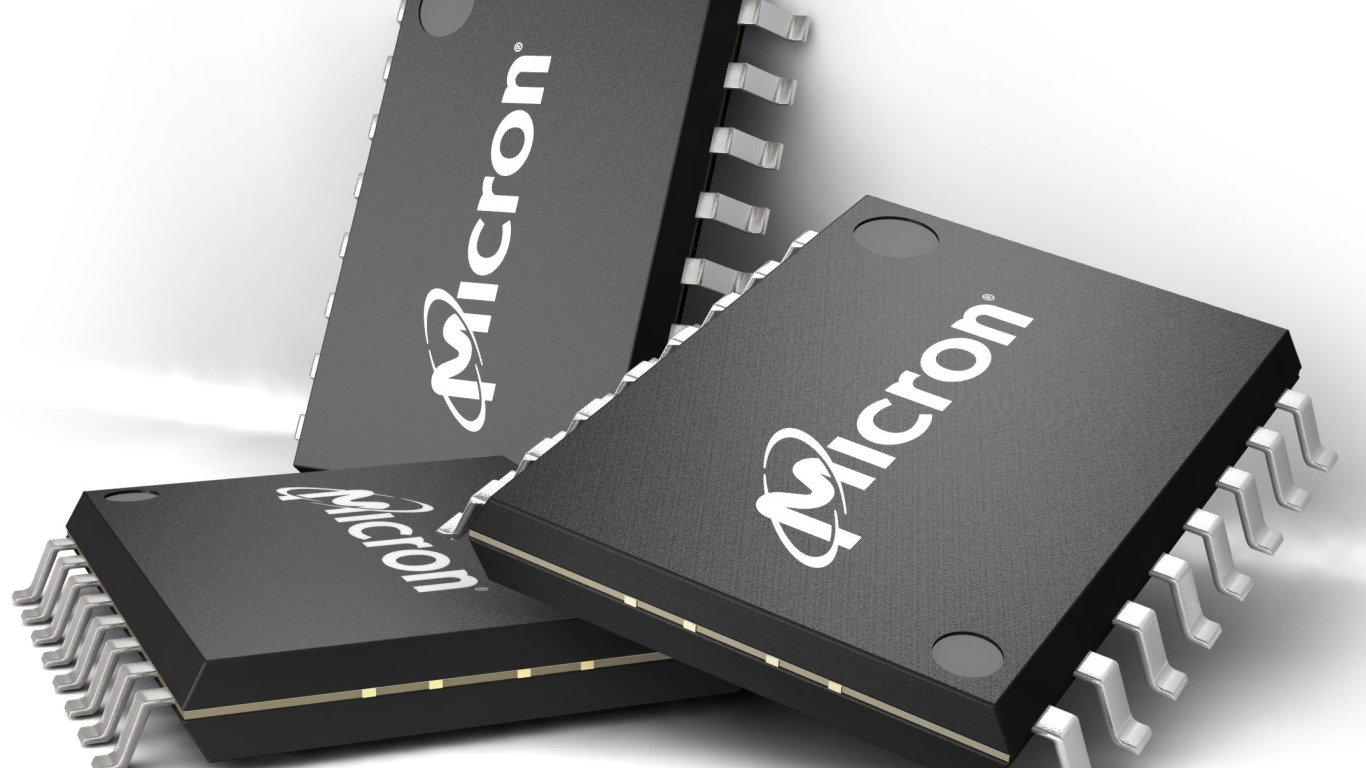
The financials at Micron Technology (NASDAQ:MU) line up with that thesis. In fiscal Q3 2026, the company reported revenue of $41.46 billion, a year-over-year jump of 345.7%, with non-GAAP EPS of $25.11 and GAAP gross margin of 84.6%. The Cloud Memory segment alone delivered $13.77 billion. Guidance for Q4 calls for revenue of $50.0 billion ± $1.0 billion and EPS of $31.00 ± $1.00. CEO Sanjay Mehrotra told investors that “Micron’s record fiscal Q3 financial results and even stronger outlook for Q4 reflect the strategic value of memory in the AI era.”
On the earnings call, Mehrotra warned that “we continue to expect supply and demand for both DRAM and NAND to remain tight beyond calendar 2026,” and noted Micron can fulfill only “50% to two-thirds” of some key customers’ demand. New U.S. and Singapore capacity is not slated to ship meaningful volume until mid-calendar 2027 and 2028.
What It Means for Investors
The key question is how long the memory shortage lasts. The TWiT panel believes relief is unlikely before 2028, while Micron management has already warned that DRAM and NAND markets should remain tight beyond 2026. If AI infrastructure spending continues at its current pace, memory makers could maintain strong pricing power for years to come. If hyperscalers find ways to reduce memory demand or new manufacturing capacity ramps faster than expected, those tailwinds could begin to fade.
Contact [email protected] for any questions or corrections.
Thomas Richmond is a financial writer and content strategist with 5+ years of experience covering stocks and financial markets. He has published over 500 articles focused on individual stock analysis, helping investors better understand business fundamentals, stock valuations, and long-term opportunities.
Thomas previously served as a Content Lead at TIKR, a stock research platform, where he helped scale the company’s blog to hundreds of articles per month and contributed to a weekly newsletter reaching more than 100,000 investors.
Outside of work, Thomas enjoys weight lifting and soccer.