These 5 Bank Earnings May Have Just Crushed the Bear Case for the U.S. Economy
Recession fears have haunted bank stocks all year, but something unexpected just happened inside the quarterly earnings reports of the five biggest names in U.S. finance, and it directly contradicts the bearish story investors have been telling themselves.


The financial sector hasn’t inspired much confidence in 2026. The State Street Financial Select Sector SPDR ETF (NYSEARCA:XLF) has gained only about 3% this year and roughly 8% over the past 12 months, trailing much of the broader market. Investors have viewed that weakness as more than just a stock market story.
Banks sit at the center of the economy, so when they lag, recession fears tend to grow louder. This year, those concerns were fueled by the Federal Reserve’s seemingly hawkish interest rate stance, renewed regulatory scrutiny of consumer lending, and the growing migration of corporate borrowers toward private credit markets.
Yet second-quarter earnings from the nation’s biggest banks just challenged nearly every part of that bearish narrative.
The Numbers Paint a Very Different Economic Picture
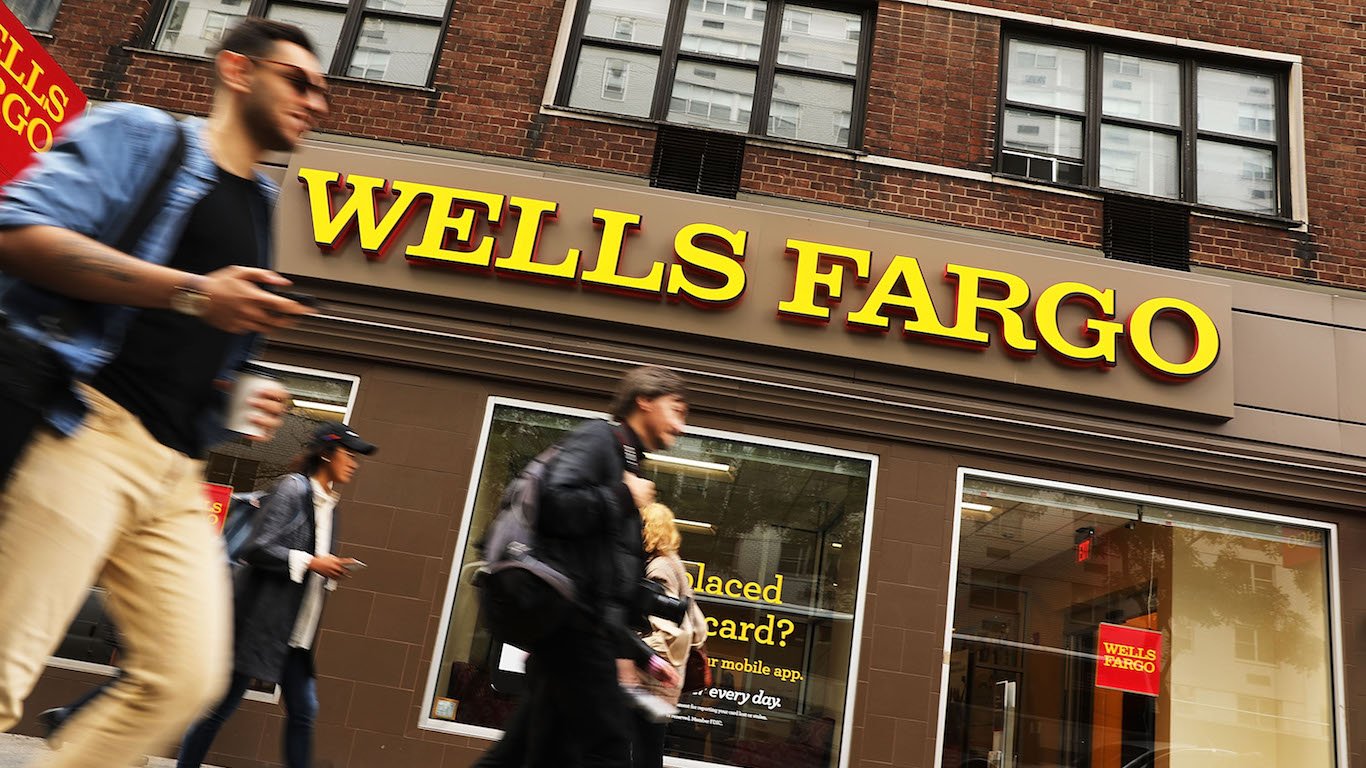
If the U.S. economy were slipping into recession, it would be difficult to explain the earnings reports delivered by JPMorgan Chase (NYSE:JPM | JPM Price Prediction), Bank of America (NYSE:BAC), Wells Fargo (NYSE:WFC), Goldman Sachs (NYSE:GS), and Citigroup (NYSE:C).
According to each company’s second-quarter earnings release, the group posted results that either exceeded Wall Street expectations or established new company records.
Most notable was JPMorgan Chase, which generated the largest quarterly profit ever reported by a U.S. bank. The bank earned $7.70 per share, well ahead of consensus estimates near $5.72, while net income climbed 41% from a year ago.
Here’s what the major banks told investors:
| Bank | Key Takeaway |
| JPMorgan Chase | Record quarterly profit and strong investment banking activity |
| Bank of America | Healthy consumer spending and stable credit quality |
| Wells Fargo | Loan performance remained resilient with disciplined expense control |
| Goldman Sachs | Investment banking and trading activity accelerated |
| Citigroup | Broad-based growth across institutional and consumer businesses |
Individually, any one of these reports could have reflected company-specific strengths. Together, they tell a broader story about the economy.
Healthy Businesses And Healthy Consumers Still Matter
Bank earnings are valuable because they offer one of the widest windows into economic activity. These institutions lend to consumers, finance businesses, underwrite corporate debt, advise on mergers, process credit card transactions, and monitor loan performance across millions of customers.
The latest reports showed strength in several areas that typically weaken before a recession. Investment banking revenue increased as mergers, acquisitions, IPOs, and debt issuance accelerated. That suggests corporate executives remain willing to invest capital rather than retreat.
Consumer banking also remained healthy. Credit-loss provisions stayed relatively contained, indicating households continue making loan and credit card payments despite higher interest rates. Stable net interest income across many of the banks also pointed to healthy deposit bases and continued lending activity.
Granted, bank earnings aren’t perfect economic forecasting tools. Trading revenue can fluctuate with market volatility, and banks often benefit from one-time events. But when five of the country’s largest financial institutions all deliver strong results during the same quarter, dismissing the message becomes much harder.
Why Investors May Want To Reconsider Financials
Ironically, these earnings arrived after months of investors treating financial stocks as recession warnings. The sector’s underperformance reflected legitimate concerns over Fed policy, tighter regulation, and private credit competition. Yet if economic growth remains intact, many of those worries may already be reflected in bank valuations.
Strong earnings also ripple beyond banks. Healthy capital markets benefit asset managers, insurers, exchanges, and payment companies. More importantly, resilient bank profits reinforce confidence that corporate America and consumers continue spending, borrowing, and investing.
That doesn’t eliminate risks. Investors should still watch management commentary for signs of slowing loan growth, rising loan-loss provisions, or weakening consumer credit trends during the second half of the year. Those indicators often shift before headline economic data does.
Key Takeaway
In short, the latest earnings season delivered one of the strongest arguments yet against an imminent recession. According to the banks’ earnings releases, corporate dealmaking remains active, consumers continue paying their bills, and credit quality remains stable. Those aren’t the conditions that typically precede a sharp economic downturn.
For investors, the message extends beyond Wells Fargo, Bank of America, or JPMorgan. Financial stocks may deserve another look after a year of lagging performance, while the broader market gains another piece of evidence supporting the soft-landing narrative. Regardless of whether every economic indicator agrees, Wall Street’s largest banks just made a compelling case that the U.S. economy remains far more resilient than many expected.
Contact [email protected] for any questions or corrections.
After two decades of patrolling the dark corners of suburbia as a police officer, Rich Duprey hung up his badge and gun to begin writing full time about stocks and investing. For the past 20 years he’s been cruising the markets looking for companies to lock up as long-term holdings in a portfolio while writing extensively on the broad sectors of consumer goods, technology, and industrials. Because his experience isn’t from the typical financial analyst track, Rich is able to break down complex topics into understandable and useful action points for the average investor. His writings have appeared on The Motley Fool, InvestorPlace, Yahoo! Finance, and Money Morning. He has been featured in both U.S. and international publications, including MarketWatch, Financial Times, Forbes, Fast Company, and USA Today.