




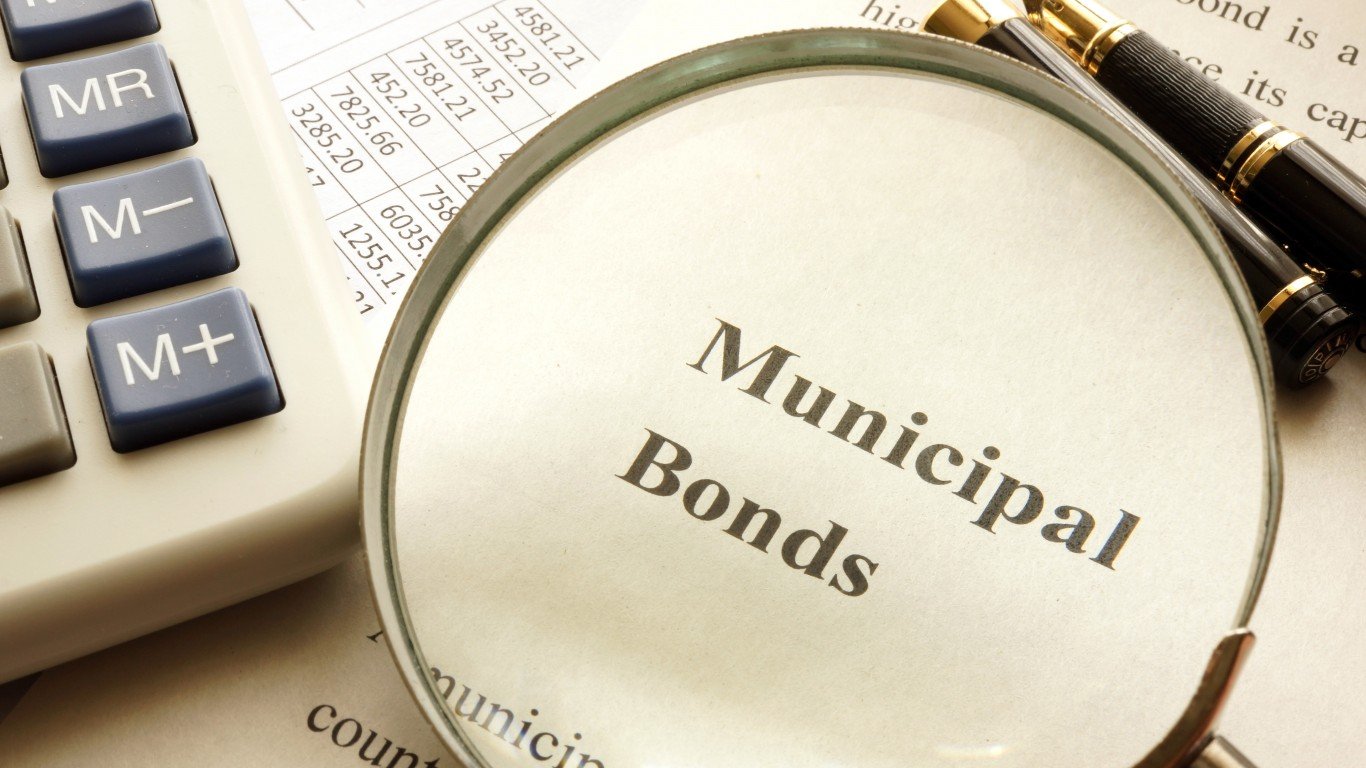
Gross US federal debt crossed $40 trillion on Wednesday, August 19, 2026. That same day, Treasury announced it would “at least double” its buyback operations, from $2 billion to at least $4 billion, targeting the 10-to-20 year and 20-to-30 year portions of the curve, running September 9 through November 4. Long yields obliged: the 30-year closed down 9 basis points at 5.196% and the 10-year fell 5.7 basis points to 4.647%. By Thursday the relief was gone, with the Financial Times reporting “US long-term bonds slide as Bessent intervention fails to soothe investors.” The 30-year yield sat at 5.19% on August 19, and it has stayed above 5% every session this month.
US gross debt-to-GDP is 125.8% per the IMF, with only eight nations ranking higher, led by Japan at 204%. Interest payments already exceed what the US spends on either national defense or Medicare. BofA projects the debt reaches $50 trillion by 2029.
Why the Long End Will Not Cooperate
CNBC attributes the run-up in long yields to a higher term premium, a changing Treasury buyer base, and increased corporate debt supply tied to artificial intelligence buildouts competing for the same capital. Mohamed El-Erian called the planned purchases “small in both absolute terms and relative to net issuance” and part of “a broader deployment of yield curve control.” Peter Boockvar of One Point BFG Wealth Partners was blunter: “This is NOT a debt paydown, it is just a rearrangement of the maturity schedule of Treasuries.”
Retiree’s Actual Problem
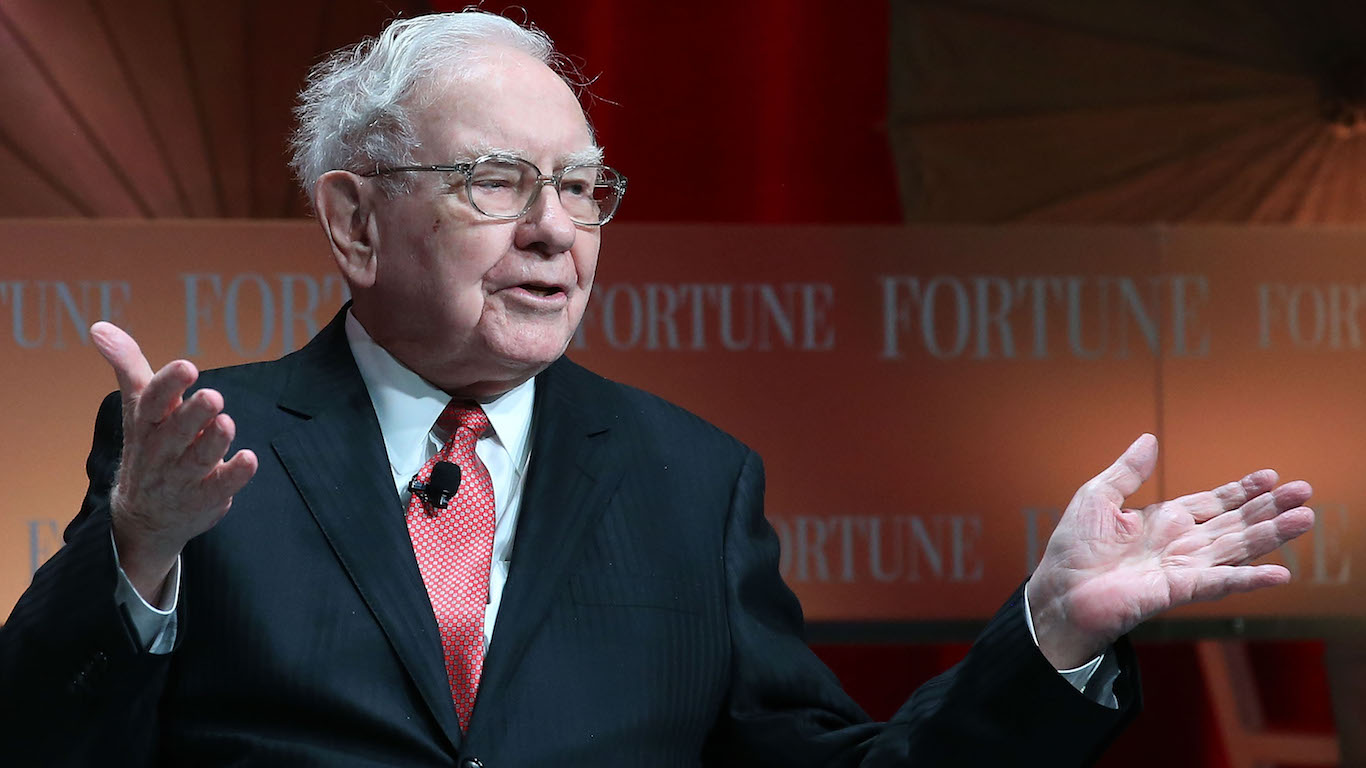
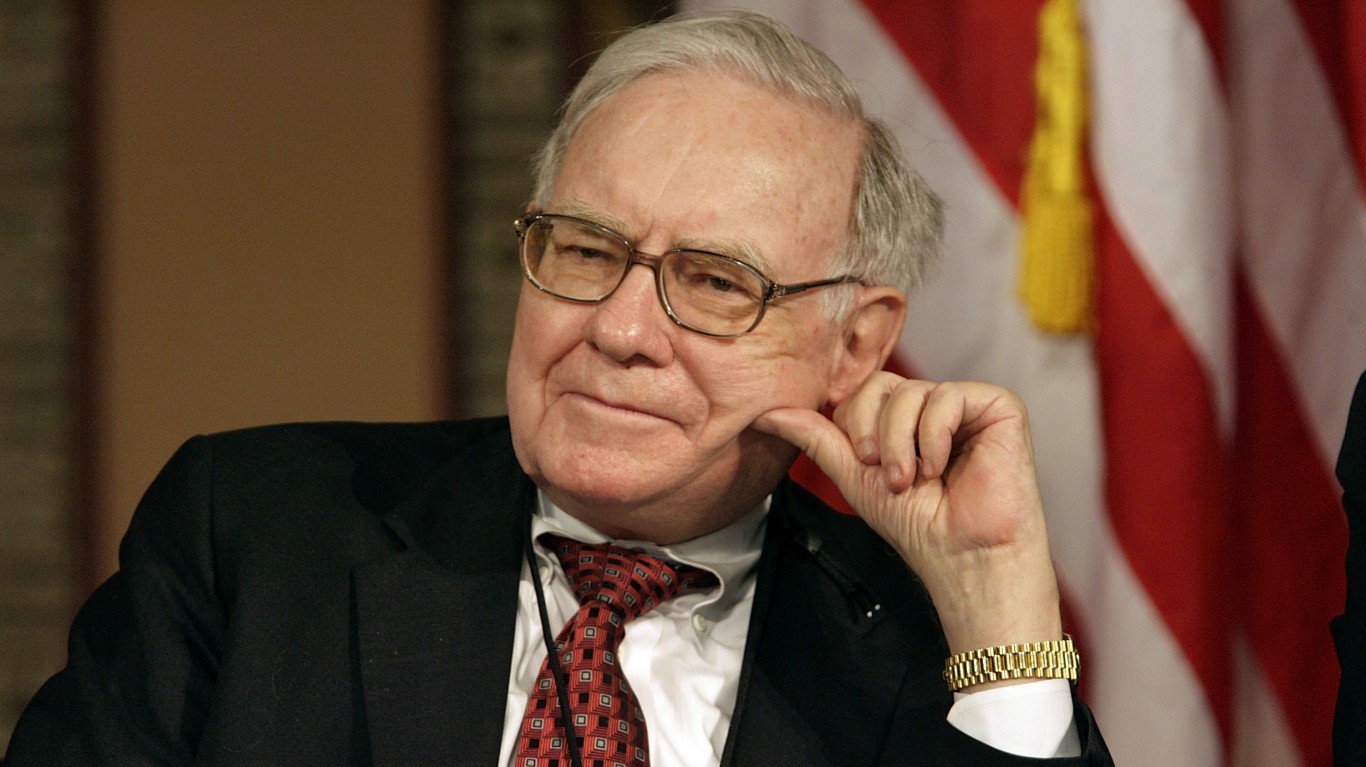
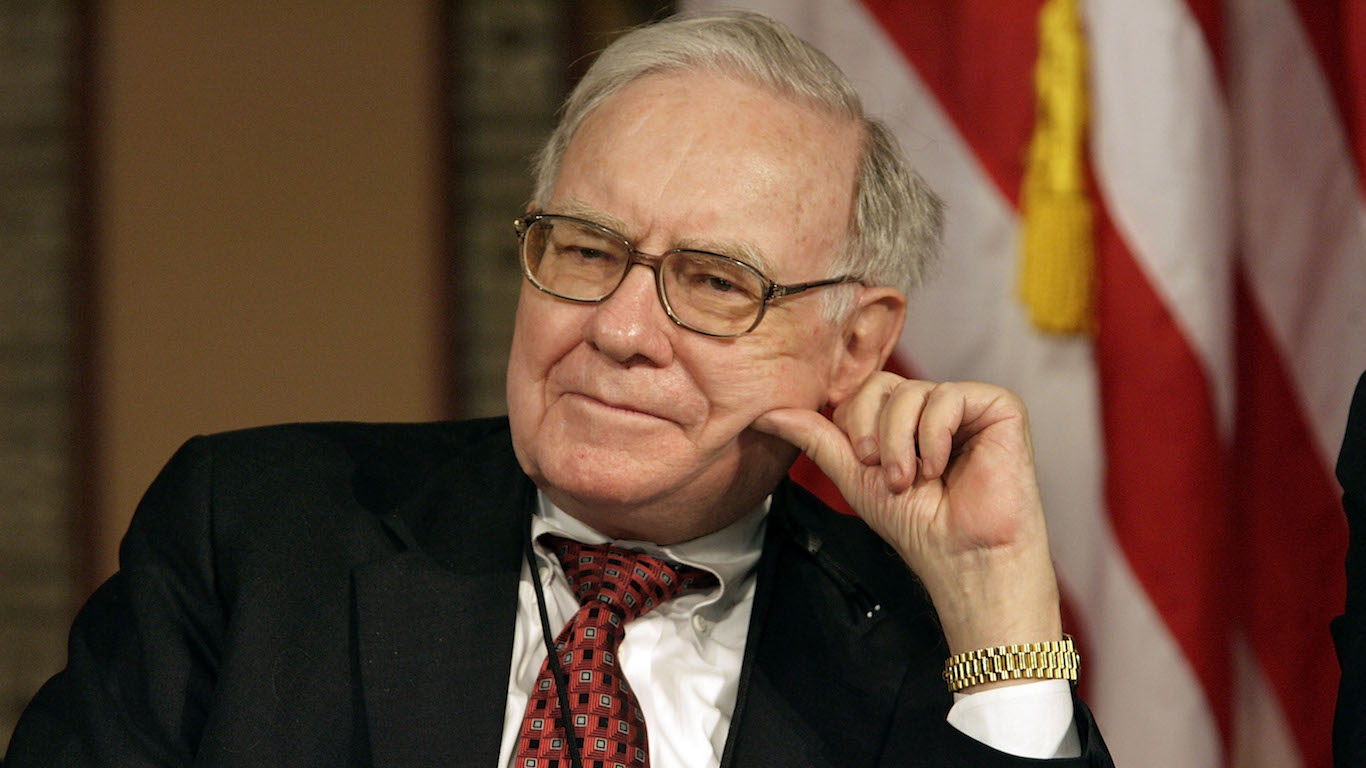
A 5%-plus 30-year coupon looks generous until you remember what you are locking in: a fixed nominal payment from an issuer whose debt is compounding faster than forecasters expected. Short T-bills and bonds held to maturity are different. Duration is where the damage lives. That framing explains how Berkshire Hathaway (NYSE:BRK-B | BRK-B Price Prediction) is positioned under CEO Greg Abel, who has begun deploying the cash pile in his first full year while Warren Buffett remains chairman. Berkshire’s 13F as of 06/30/2026, filed 08/14/2026 leans hard on operating businesses with pricing power.
American Express: The Premium Flywheel
American Express (NYSE:AXP) was the largest disclosed holding at $51.3 billion, 17.1% of the disclosed portfolio. Q2 revenue grew 10% with EPS of $4.53, and U.S. consumer spending rose 11%. Shares pay a $0.95 quarterly dividend. Risk: AXP is a credit business, and delinquencies rise if unemployment does.
Coca-Cola: The Coupon That Grows
Coca-Cola (NYSE:KO) sat at $32.5 billion, 10.9% of the disclosed portfolio, equal to 9.3% of Coca-Cola’s shares outstanding. Q2 organic revenue grew 6% and unit case volume rose 5%. The quarterly dividend is $0.53, up from $0.485 in 2024. Risk: at a P/E of 27, the multiple leaves little room for error.
Occidental Petroleum: The Real-Asset Hedge
Occidental Petroleum (NYSE:OXY) was $12.9 billion, 4.3% of the disclosed portfolio. Q2 revenue was a double-digit year-over-year gain, with realized crude at realized crude prices well above prior-year levels. The dividend was raised to $0.28 quarterly. Risk: OXY’s earnings live and die by the oil strip.
What to Watch
The Treasury’s buyback runs through November 4. If the 30-year cannot hold below 5% while the government is actively bidding for its own paper, the signal is that the marginal buyer wants more compensation. For a pre-retiree, the real questions are how much duration to accept from an issuer whose fiscal path is worsening, and how much of a portfolio should sit in businesses that can raise a price when the coupon cannot (that second question is the whole premise of a dividend ladder built to throw off income without ever selling a share, which we walked through in a free guide here: Never Touch the Principal).
Contact [email protected] for any questions or corrections.










 Top Gaining Stocks
 Top Losing Stocks