SK Hynix Shares Fell 5% After a Union Vote Failed by Just 25 Votes
A union vote failed by just 25 ballots at the world's dominant HBM supplier, and the reason workers walked away reveals a concentration risk that every investor in the AI memory trade should understand.

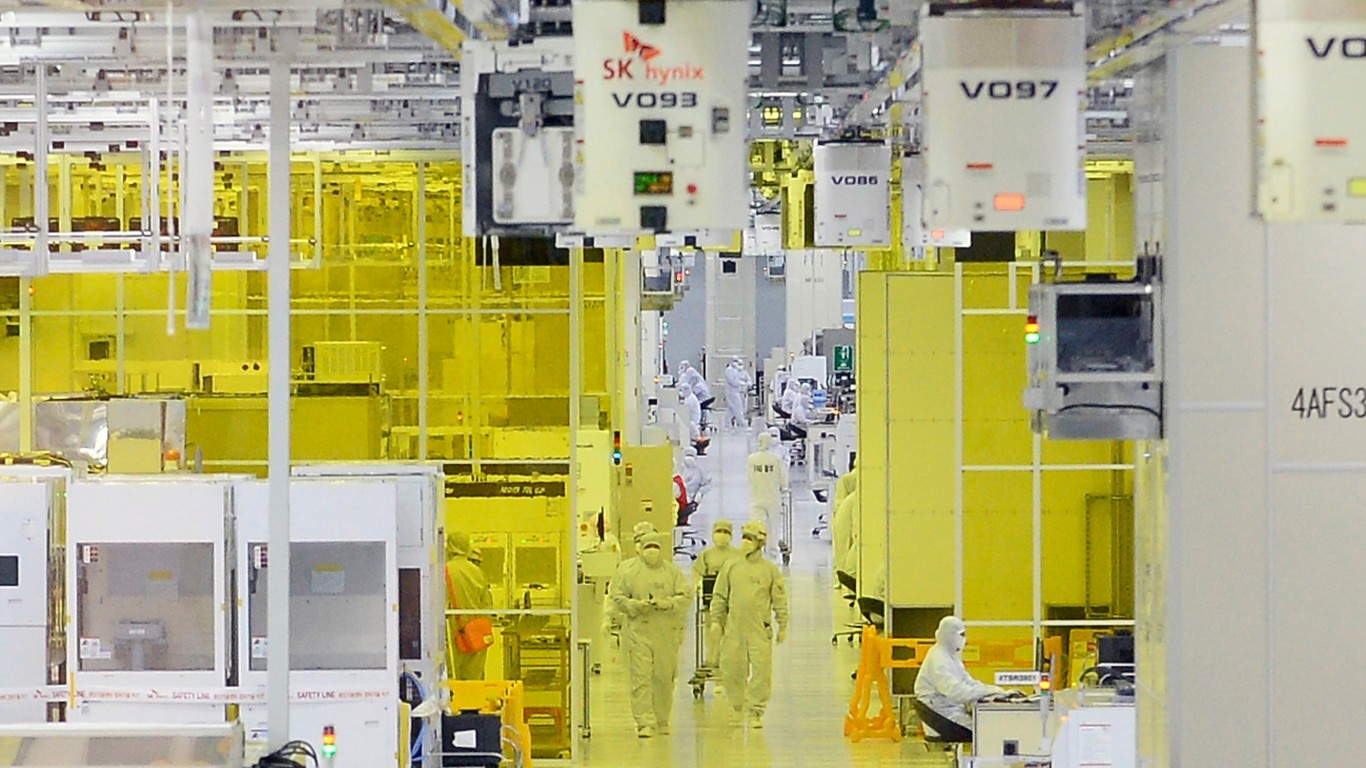
SK hynix’s (NASDAQ:SKHY) American Depositary Shares slipped on Monday after union members narrowly rejected a tentative wage deal, a result that will send the company and its labor representatives back to the table just as memory pricing sits at the center of the AI infrastructure trade. SK hynix closed at $155.37, down 4.92% on the session and off 9.34% over the past week.
According to Reuters, 50.08% of 15,045 participating workers voted against the proposal, a margin of 25 votes. The offer included a 6.3% wage increase but would have paid 60% of performance bonuses in company shares rather than cash. That structure, more than the size of the raise, is what workers rejected.
Why the Share-Based Bonus Was the Sticking Point
The resistance was rational, and investors should read it that way. Workers were being asked to accept an asset whose value moves with the same memory cycle that already governs their job security.
This is concentration risk in its most familiar form. Anyone who has watched a colleague hold too much employer stock in a retirement plan knows the pattern: paycheck, bonus, and portfolio all lean on one earnings stream.
Cash bonuses sever that link. Stock-denominated bonuses tighten it, particularly at a company whose revenue and margins swing with HBM pricing power across DRAM and NAND. The earlier tentative framework reportedly floated performance bonuses of 700 million to 800 million Korean won per employee, so the amounts at stake are large enough that the way they are paid matters.
What Renewed Talks Mean for HBM Supply
SK hynix supplies the high-bandwidth memory that sits next to leading AI accelerators, and its Q2 was extraordinary: revenue of KRW 79.32 trillion, up 256.8% year over year, with operating profit up 557.2%.
A wage rejection at that scale of profitability is a bargaining event, not yet an operational one. The dispute becomes a real problem only if talks stall for weeks and production planning for HBM allocations slips.
The signal that this stays ordinary is a revised proposal that shifts the mix back toward cash while preserving the headline bonus figure. That would let both sides claim victory and let customers keep their delivery schedules.
The signal that it does not is silence past the next bargaining window, or a widening gap on the cash-versus-stock split. Reddit sentiment has stayed bullish through the process, which suggests the market currently reads this as the first outcome rather than the second.
What to Watch From Here
Keep an eye on the stock’s behavior around the next round of talks and any company statement on bonus structure. A quiet resolution is likely to re-rate the shares back toward where they traded before the vote.
A longer standoff would test whether the AI memory premium can absorb even a modest disruption to the one supplier customers cannot easily replace.
Contact [email protected] for any questions or corrections.
Omor Ibne Ehsan is a writer at 24/7 Wall St. He is a self-taught investor with a focus on growth, cyclical, and dividend equities that have strong fundamentals, value, and long-term potential. He also has an interest in high-risk, high-reward investments such as penny stocks.