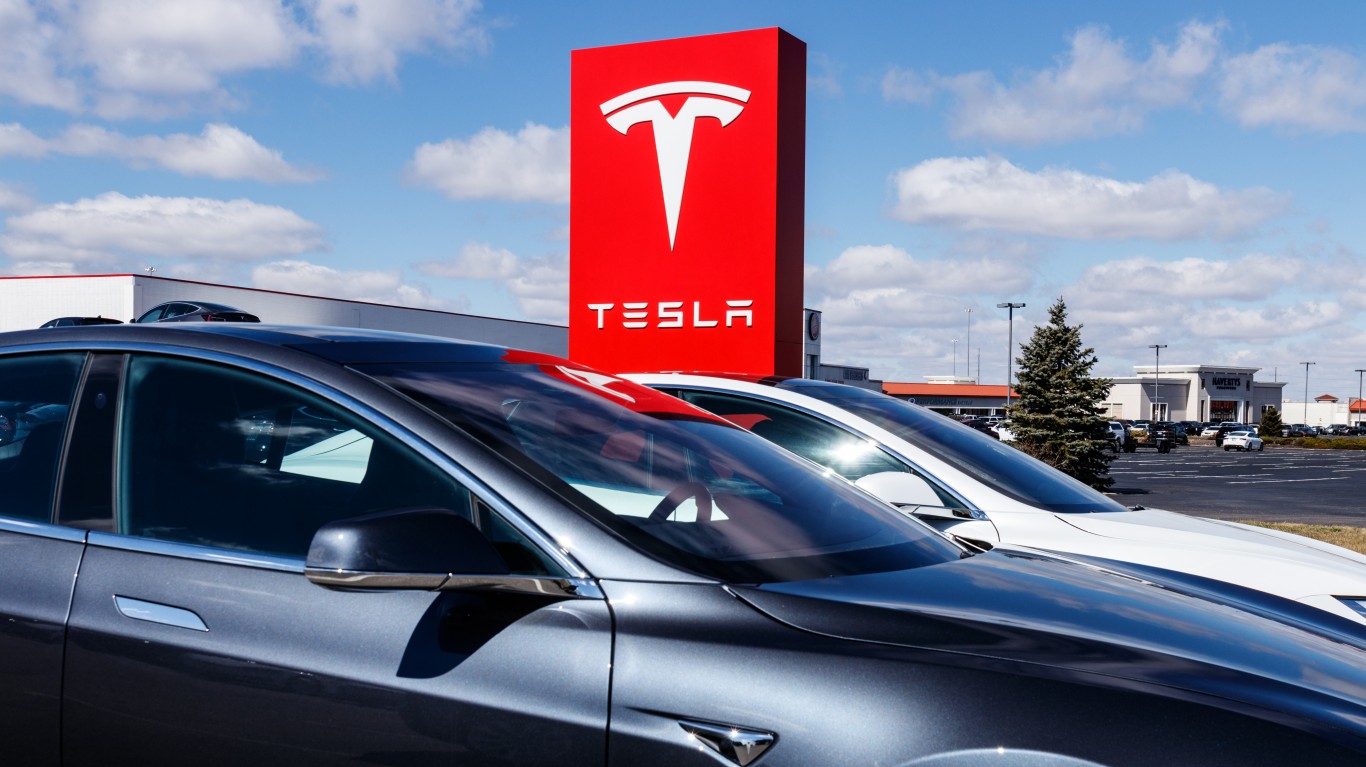
Tesla Is Worth Twenty-Five Times More Than Ford
Ford sells America's best-selling vehicle and dominates the truck market, yet its entire company is valued at a sliver of what investors hand Tesla. The gap between those two realities raises a question worth sitting with.


Ford’s (NYSE: F | F Price Prediction) stock has performed better this year than Tesla’s (NASDAQ: TSLA). Tesla’s stock is down 22%. Ford’s is up 6%. While that is short of the S&P 500, which is up 12%, it is a strong performance for the No. 2 car company in the U.S.
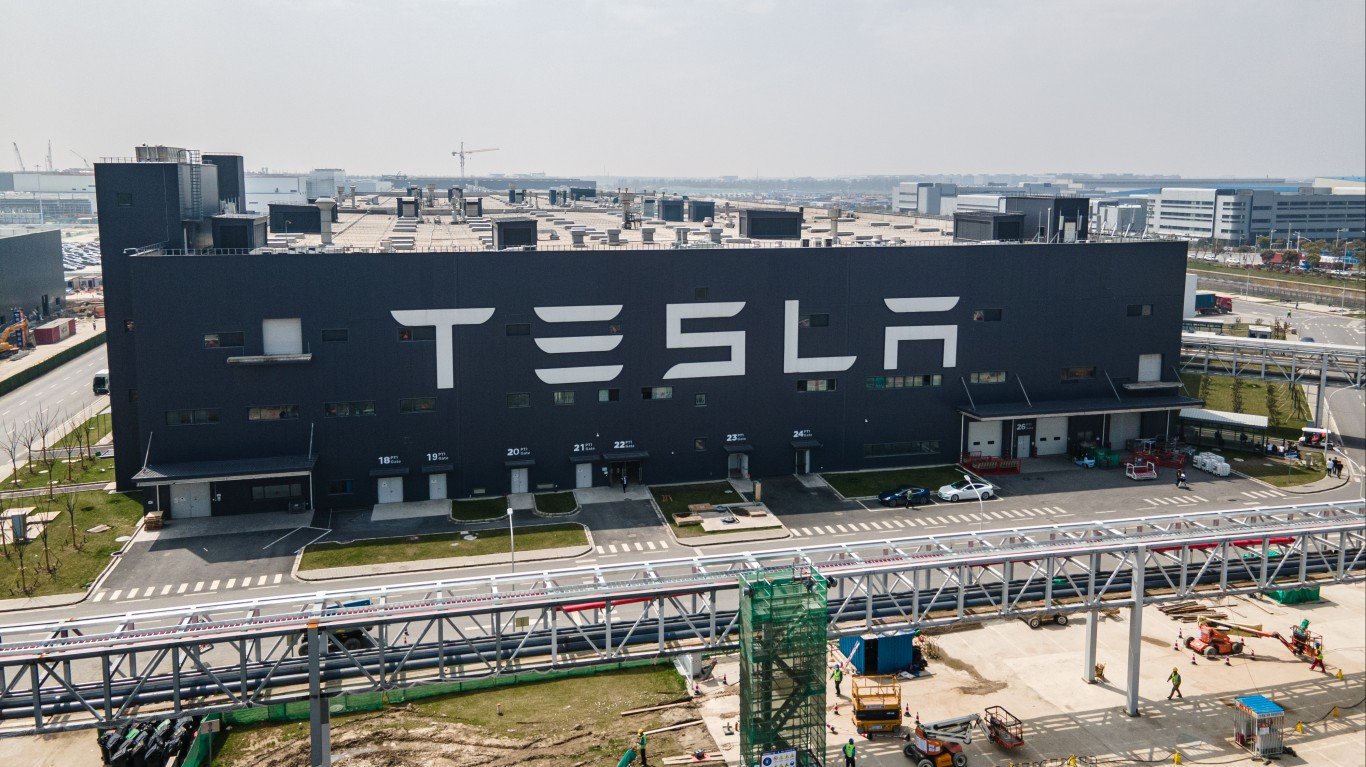
What stock performance doesn’t show is that Ford’s market cap is only 4% of Tesla’s $1.38 trillion. It’s hard to fathom. In the minds of many investors, Tesla has an uncertain future. So does Ford, but Ford’s future is easier to guess.
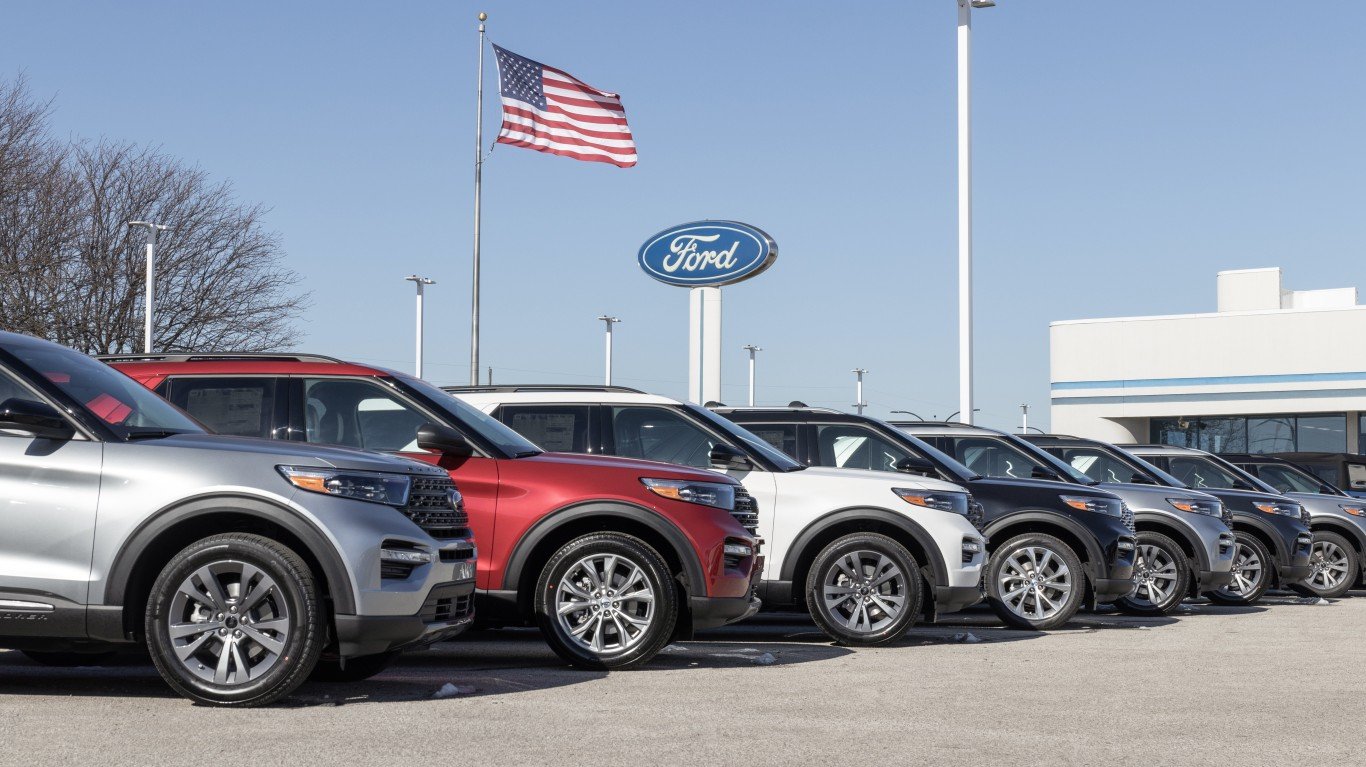
Ford is the king of the SUV and full-sized pickup markets in the U.S. Its F-150 is routinely America’s top-selling vehicle. Most analyses put the F-150 among the most profitable vehicles on the market. It accounts for about 30% of Ford’s U.S. unit sales each month. It is part of Ford’s fleet, 90% of which is gas-powered. Ford does not sell EVs. Its hybrid sales are modest.
Ford’s gamble on the future is its Fathom mid-sized EV pickup. It is hard to see why Ford would re-enter the EV market with just one vehicle, which won’t be on the road until next year. Ford’s promotion for the Fathom is as much about Ford’s new manufacturing system as any single vehicle. No proof shows this system is any better than the current one.
Ford’s risks are twofold. One is that the American market will abandon gas-powered cars. Another is that tariffs on Chinese EVs will drop or go away. Even Ford admits this would be a catastrophe. Ford’s sales outside the U.S. are small, but that should already be baked into the stock price.
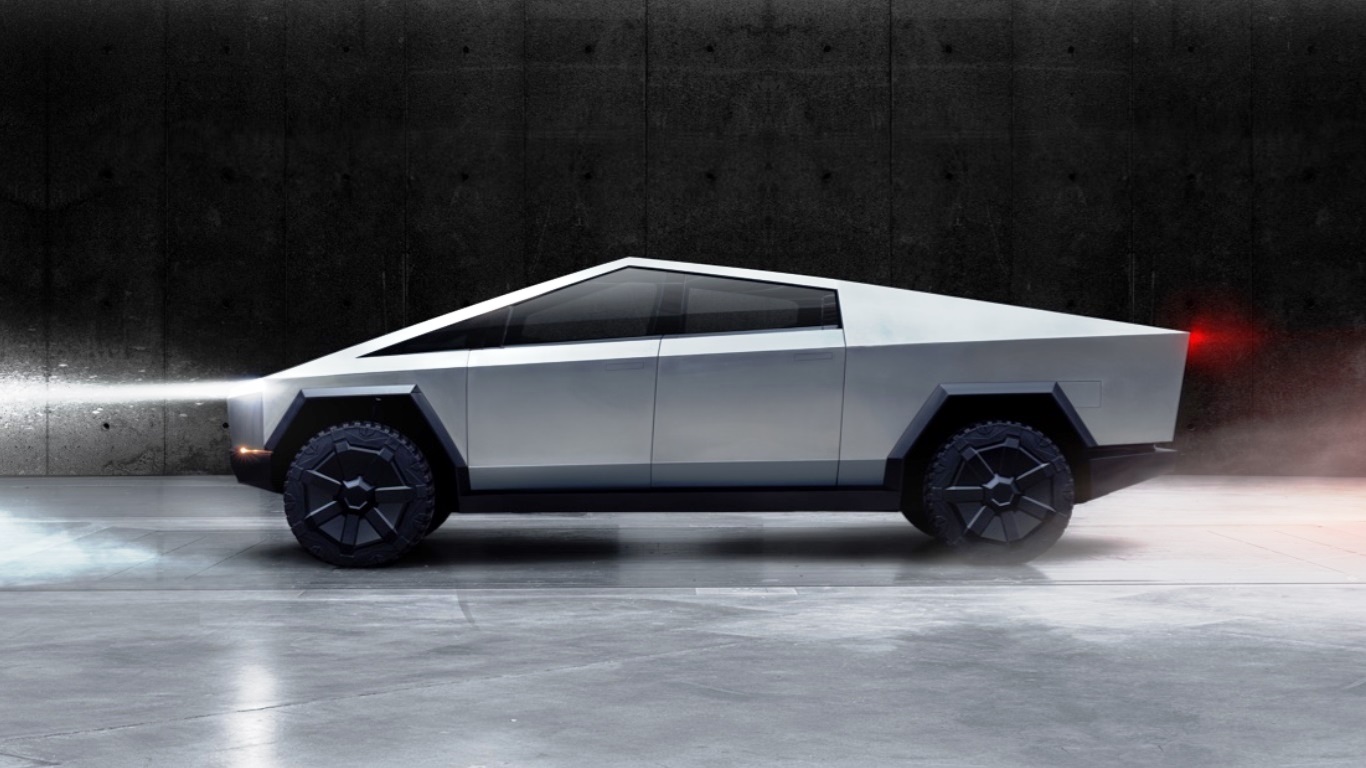
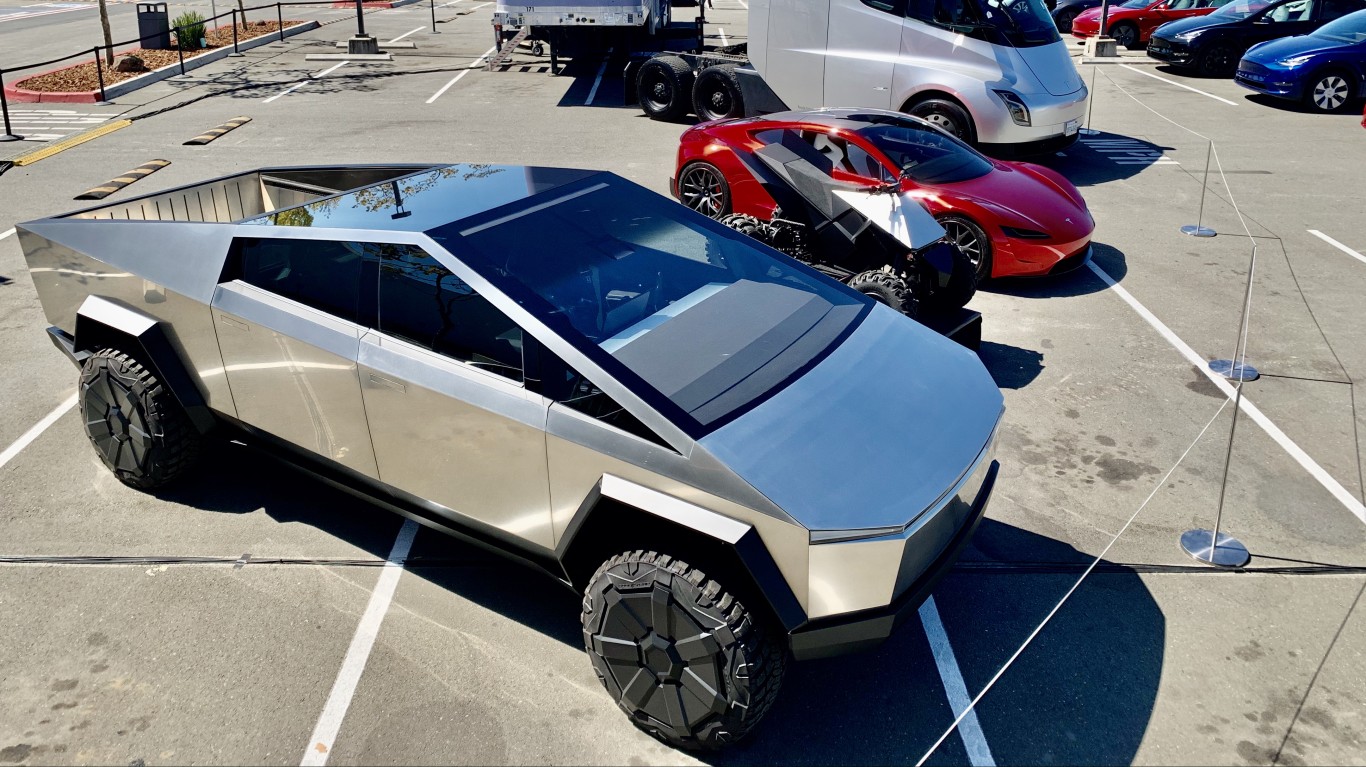
Broadly, Tesla’s risks appear much greater as EV sales in the U.S. have been falling. Its EV sales in the EU collapsed last year but have started to recover. In China, it is one of dozens of other EVs. And EV car sales in China are at cutthroat prices. Tesla’s car business, therefore,f is not very good.
So, Tesla’s investors have to bet on huge adoption of self-driving cars that are Teslas. The market has other self-driving technology from companies like Waymo that will probably be available across a number of manufacturers and models. Beyond that, there is the Robotaxi. It is too early to know if these business models will catch on.
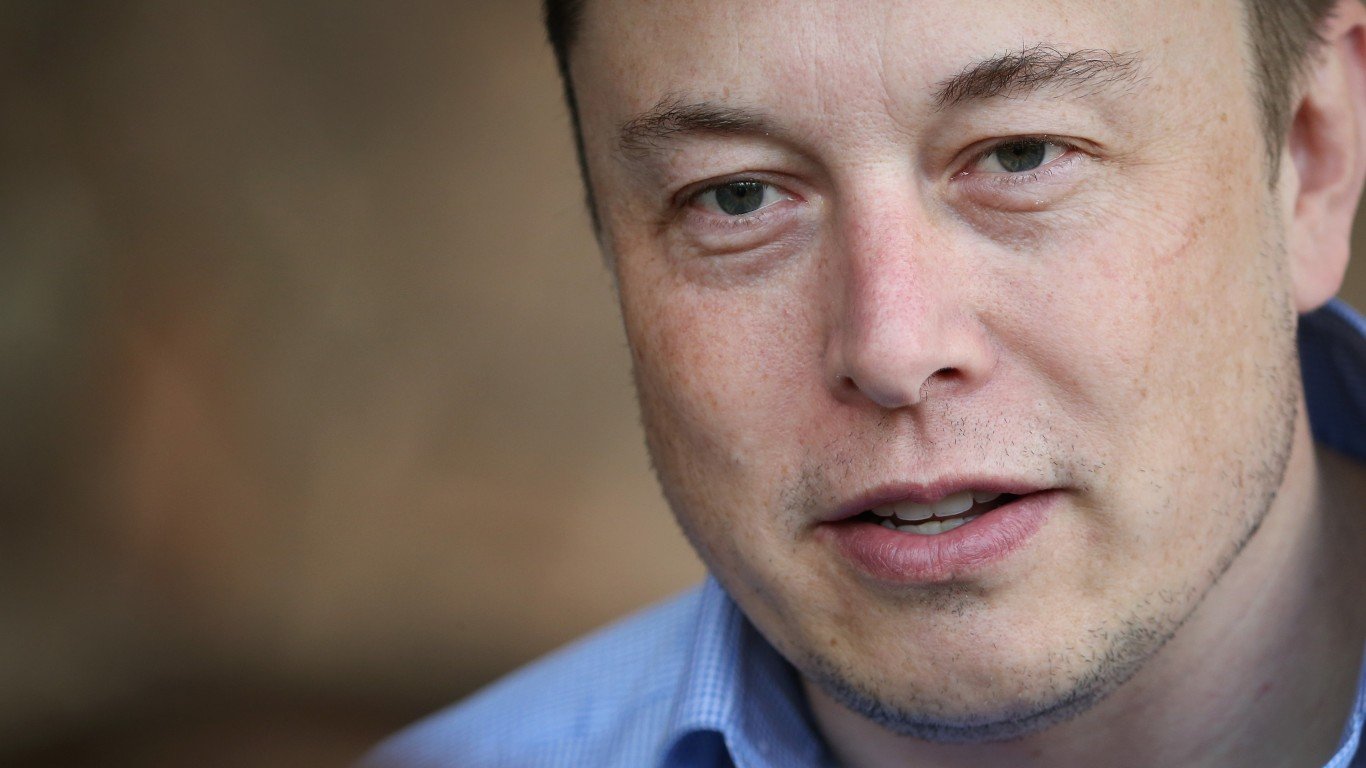
Tesla’s biggest bet is on its Optimus robot. Tesla’s CEO, Elon Musk, says there is a market for hundreds of millions of these. That comes with a huge “maybe” and assumes that the market will not be flooded with scores of competitors.
The market cap difference does not make any sense.
Contact [email protected] for any questions or corrections.
Douglas A. McIntyre is the co-founder, chief executive officer and editor in chief of 24/7 Wall St. and 24/7 Tempo. He has held these jobs since 2006.
McIntyre has written thousands of articles for 24/7 Wall St. He is an expert on corporate finance, the automotive industry, media companies and international finance. He has edited articles on national demographics, sports, personal income and travel.
His work has been quoted or mentioned in The New York Times, The Wall Street Journal, Los Angeles Times, The Washington Post, NBC News, Time, The New Yorker, HuffPost USA Today, Business Insider, Yahoo, AOL, MarketWatch, The Atlantic, Bloomberg, New York Post, Chicago Tribune, Forbes, The Guardian and many other major publications. McIntyre has been a guest on CNBC, the BBC and television and radio stations across the country.
A magna cum laude graduate of Harvard College, McIntyre also was president of The Harvard Advocate. Founded in 1866, the Advocate is the oldest college publication in the United States.
TheStreet.com, Comps.com and Edgar Online are some of the public companies for which McIntyre served on the board of directors. He was a Vicinity Corporation board member when the company was sold to Microsoft in 2002. He served on the audit committees of some of these companies.
McIntyre has been the CEO of FutureSource, a provider of trading terminals and news to commodities and futures traders. He was president of Switchboard, the online phone directory company. He served as chairman and CEO of On2 Technologies, the video compression company that provided video compression software for Adobe’s Flash. Google bought On2 in 2009.