Wendy’s Sinks 13% as Trian Shelves Its Take-Private Bid, McDonald’s Slips
Trian Fund Management just pulled the plug on a deal that had sent Wendy's stock soaring, and now investors are staring at a business the CEO has openly called a disappointment with no buyout floor to fall back on.

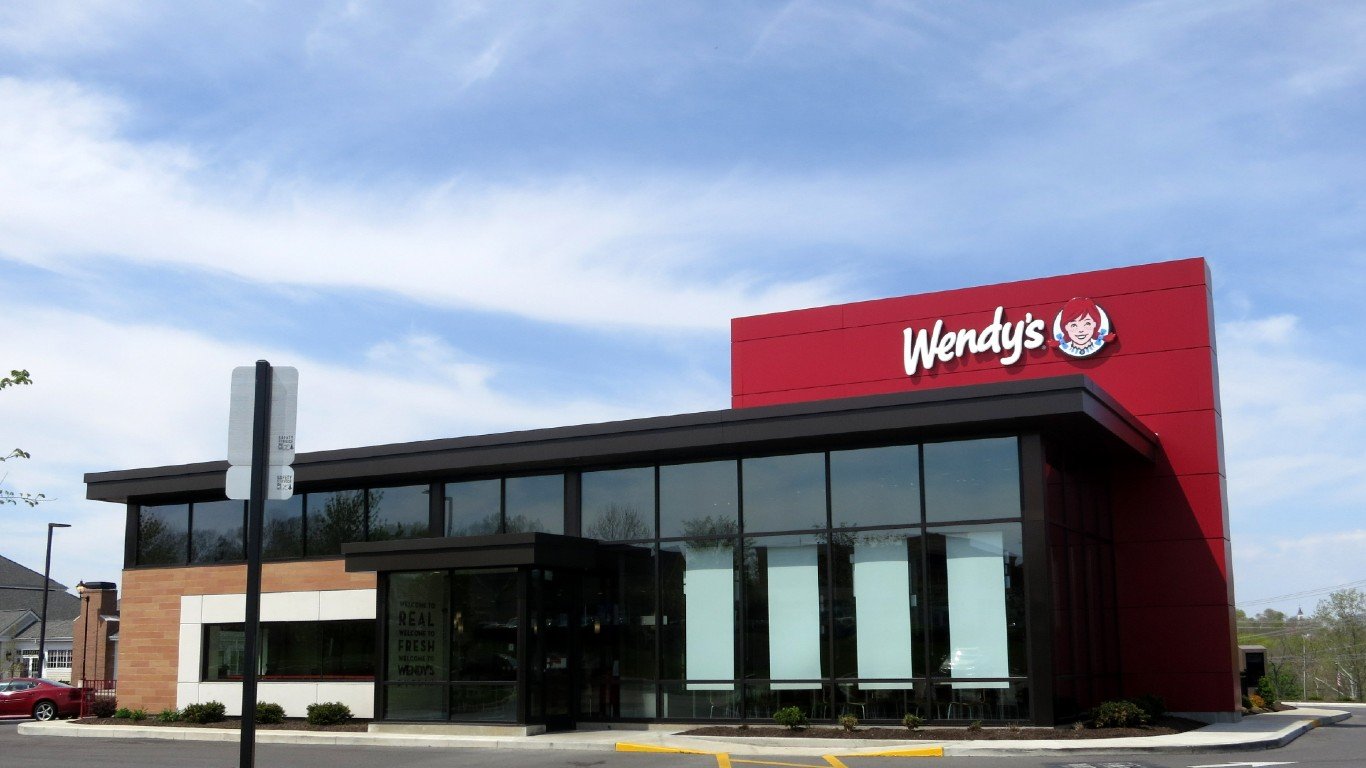
Deal speculation is unwinding across the restaurant sector Thursday morning, dragging quick-service burger names lower after a two-week run of takeover chatter around Wendy’s. Reuters reported Wednesday evening, citing sources familiar with the matter, that Trian Fund Management has no plans to bid for Wendy’s (NASDAQ:WEN | WEN Price Prediction) right now. The scoop pulls the deal premium out of a stock that has been floating on speculation rather than fundamentals.
Wendy’s stock is down 13% to $7.91 in early Thursday trading, giving back the entire pop that followed an August 12 Reuters report on a preparing bid. The stock was up 24% over the past month through Wednesday’s close, a run built almost entirely on the takeover narrative rather than on operating results the CEO has publicly called disappointing.
Meanwhile, McDonald’s (NYSE:MCD) stock is down 1% to $263.79 on sympathy weakness in the burger cluster. McDonald’s stock was down 12% year to date through Wednesday’s close, extending a difficult stretch for large-cap fast food.
Takeover Premium Evaporates
Reuters reported that Trian’s concerns include Wendy’s recent trading price, valuation multiples and current strategic direction. Nelson Peltz and Trian hold a combined stake of more than 24% in Wendy’s, making them the largest shareholder. Peltz personally owns 16%, and Trian holds 7.9%.
The August 12 Reuters report that a Peltz-led group was preparing a take-private bid alongside BlueFive Capital and Wendy’s franchisee Flynn Group had lifted Wendy’s stock 15% that day. That report is the origin of the premium now unwinding, and it’s why the past-month figure looks so large. Reuters also reported that by pulling back, Trian may be giving new CEO Bob Wright room to execute a turnaround of declining sales without a transaction hanging over the process.
Business Beneath the Bid

Earlier in August, Wendy’s reported a 6.5% drop in global systemwide sales along with lower net income, higher costs and a decline in earnings per share. Wright stated Wendy’s was “clearly not performing at its potential.” U.S. same-restaurant sales fell 7%, U.S. traffic dropped 12.5%, and the company withdrew its full 2026 financial outlook.
On Monday, Wright told The Wall Street Journal that Wendy’s had compromised on quality to cut costs, and he unveiled a five-point plan to fix it. Wendy’s also cut its quarterly dividend to $0.07 per share to fund the turnaround, with capital redirected toward recovery initiatives rather than shareholder returns.
Wendy’s has lost the No. 2 spot among big burger chains to Burger King, which is owned by Restaurant Brands International (NYSE:QSR), after Burger King revamped its Whopper and refreshed its restaurants. Wendy’s net restaurant count declined by 154 year over year to 7,180 in Q2 2026, another sign of pressure on the store base.
Short interest in Wendy’s stock short interest sits at 30.8% according to Koyfin data, among the highest levels the company has seen, and it has risen steadily since early 2024. Some retail traders argue today’s selloff could set up a short squeeze, a thesis circulating on retail forums.
Sector Trails While Index Advances
The Invesco Food & Beverage ETF (NYSEARCA:PBJ) is down 1% to $47.93, reflecting soft trade across the food and beverage complex on the day. At the same time, the SPDR S&P 500 ETF Trust (NYSEARCA:SPY) is up 0.3% to $768.17, so today’s damage is concentrated in restaurant names while the broader index advances. Restaurant Brands International shares are trading slightly lower alongside the group, though QSR stock has led the burger cluster year to date on the back of Burger King’s U.S. momentum.
What to Watch Next
Investors can watch for any follow-up statement from Trian or Wendy’s board on the strategic review, along with analyst notes that could downgrade the name now that the takeover premium has been withdrawn. Traders may want to keep an eye on whether Wendy’s stock holds above the $7 level, a psychological line just below the pre-August-12 range and above the 52-week low of $6.07.
Given the gap between deal-driven price action and a business the CEO has openly described as underperforming, shareholders should keep their position sizing modest in Wendy’s stock until Wright’s five-point plan shows evidence in traffic and same-restaurant sales. For their broader exposure to the burger cluster, investors can favor names where operating momentum has been carrying the story, keeping their allocation to speculative deal setups small.
Contact [email protected] for any questions or corrections.
David Moadel is financial writer specializing in stocks, ETFs, options, precious metals, and Bitcoin. David has written well over 1,000 articles for leading online publications, helping investors understand markets, income strategies, and risk.His work has appeared in The Motley Fool, InvestorPlace, U.S. News & World Report, TipRanks, ValueWalk, Benzinga, Market Realist, TalkMarkets, Finmasters, 24/7 Wall St., and others.With a master’s degree in education, David has taught at the elementary, high school, and college levels. That teaching background shapes his writing style: clear, educational, and practical. David has also built a loyal social-media audience by providing trustworthy financial content on YouTube, X/Twitter, and StockTwits.