GLP-1 Coverage Fell From 72% to 60%. Is Eli Lilly’s Weight-Loss Boom Hitting an Insurance Wall?
Employer insurance coverage for GLP-1 weight-loss drugs is shrinking, yet Eli Lilly just posted a 47% revenue surge. Something underneath the headlines is keeping volumes alive, and it changes how shareholders should read every coverage headline going forward.

This post may contain links from our sponsors and affiliates, and Flywheel Publishing may receive compensation for actions taken through them.
Employer coverage of GLP-1 weight-loss drugs reportedly declined from 72% in 2025 to 60% in 2026. That drop lands while Eli Lilly (NYSE:LLY | LLY Price Prediction) is still growing at scale.
Second-quarter revenue reached $22.97 billion, up 47.67% year over year. Zepbound produced $4.93 billion, and Mounjaro produced $9.94 billion.

Is the weight-loss boom stalling, or is it shifting shape as payers step back?
My reading is that volumes keep rising while realized prices compress. Those two outcomes read alike in headlines and behave very differently for shareholders.
What the Coverage Decline Actually Shows
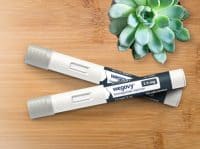
GLP-1 medicines mimic a gut hormone that regulates appetite and blood sugar. Zepbound is Lilly’s obesity brand and Mounjaro treats type 2 diabetes.
In the US, employers finance most prescription coverage through their health plans. When they drop a category, patient out-of-pocket costs rise sharply, and prescriptions can shift toward cash-pay channels.
A survey number like 60%- 72% captures stated intent. It captures what benefits managers plan to offer at renewal, while patient consumption depends on the alternatives available.
Roughly 14% of surveyed employers have dropped the medicines or plan to do so in 2027. That is a signal worth taking seriously.
Treat it as an early warning about affordability. Stated plans shift before renewal season closes, and reversals happen when employees complain loudly.
Why Employers Are Pulling Back
Pharmacy benefits already consume about one-quarter of employer healthcare spending. GLP-1s at retail prices land on top of that base.
Many employers say they have not yet seen enough savings from lower rates of diabetes, sleep apnea, and other obesity complications to justify the cost.
The counterargument is straightforward. Those savings accrue over time, and annual benefit budgets do not naturally accommodate multi-year clinical payoffs.
The pullback, therefore, reflects a mismatch in time horizons rather than a verdict on efficacy. It reflects how HR departments budget on annual cycles while the health payoff arrives across many years.
That framing matters because it predicts what comes next. Coverage narrows where budgets are tight, and Lilly reroutes patients through cheaper direct channels.
Volumes, Pricing, and Cash-Pay Verdict
Lilly’s Q2 already showed the pattern. A 60% increase in volume more than offset a 13% decrease in realized prices.

Self-pay is already substantial. Approximately 45% of total Zepbound prescriptions and 55% of new Zepbound prescriptions were self-pay in the quarter.
Lilly Employer Connect offers Zepbound across all doses for $449 per month through participating programs. That undercuts the sticker price employers were resisting.
Add the Medicare GLP-1 Bridge Program at $50 per month out-of-pocket and state Medicaid pathways coming online. Access is broadening even where commercial coverage narrows.
In essence, insurance resistance compresses price and pushes the mix toward cash and direct-to-consumer channels. It slows margin expansion without stopping volume growth, which is why LLY trades near $1,182 at a forward multiple of 34x.
Contact [email protected] for any questions or corrections.
Omor Ibne Ehsan is a writer at 24/7 Wall St. He is a self-taught investor with a focus on growth, cyclical, and dividend equities that have strong fundamentals, value, and long-term potential. He also has an interest in high-risk, high-reward investments such as penny stocks.