Walmart Settled One of Its Ugliest Lawsuits for 0.4% of Six-Month Profit
The Justice Department once threatened Walmart's pharmacies with billions in civil penalties over opioid prescriptions. What prosecutors actually walked away with tells a very different story about who held the leverage.

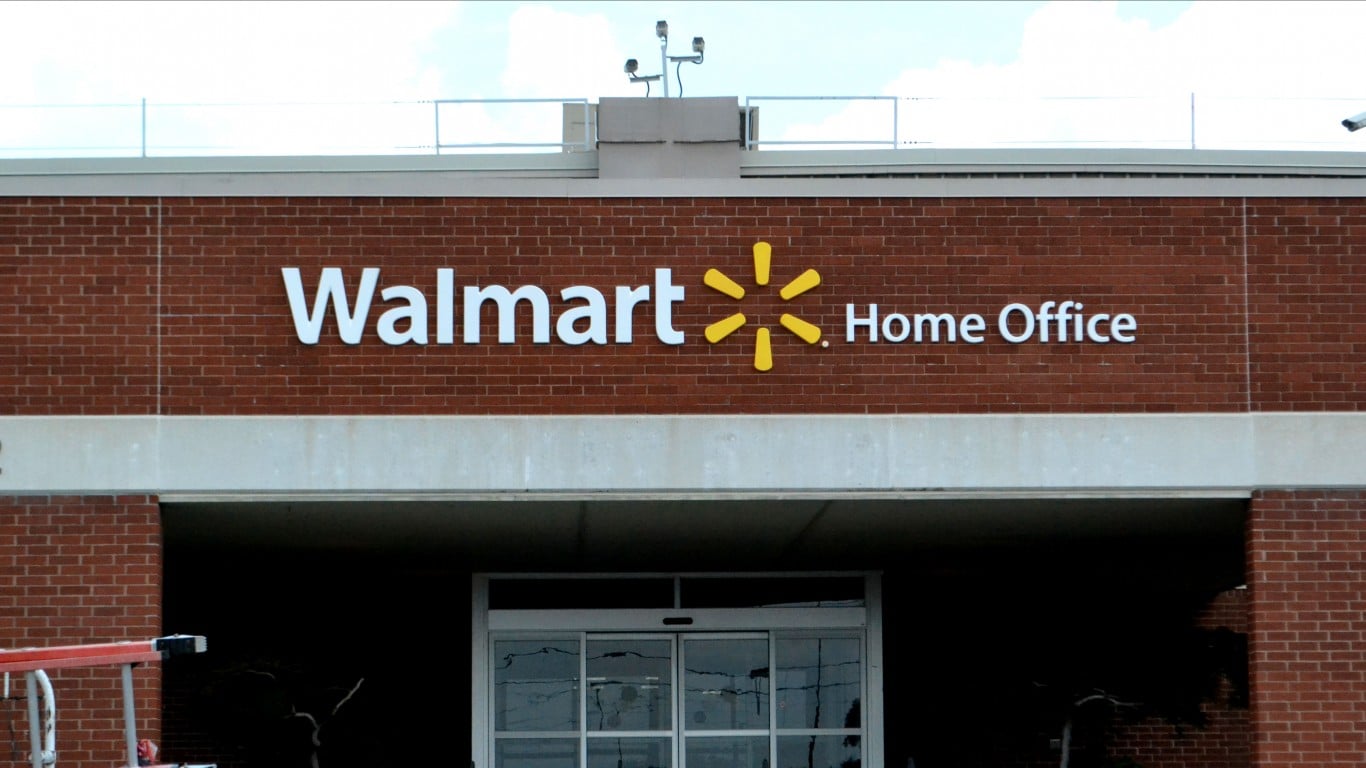
Walmart (NASDAQ:WMT | WMT Price Prediction) closed one of its ugliest legal chapters for what amounts to a rounding error. The company agreed to pay $50 million to settle the Justice Department’s civil case accusing its pharmacies of unlawfully filling opioid prescriptions, a threat prosecutors once described as potentially reaching billions of dollars.
Set against Walmart’s roughly $11.7 billion of net income for the six months ended July 31, 2026, that check equals about 0.43% of profit. Walmart admitted no liability and called the payment financially immaterial. The threat shrank dramatically before the check was written, and the stock is modestly cleaner as a result.
How a Multibillion Threat Shrank to $50 Million
The Justice Department once framed this case as potentially generating civil penalties in the billions. What settled looks nothing like that ambition.
A federal judge narrowed the government’s case in 2024, which materially strengthened Walmart’s negotiating position. The case Walmart faced at the end was smaller than the case it faced at the start.
The Justice Department’s announcement framed the resolution around the dollar figure, but the leverage story sits upstream of it.
Walmart out-negotiated a diminished case. The gap between the opening threat and the closing check reflects prosecutors losing the theories that gave the case its size before Walmart wrote any check.
Non-Monetary Terms That Actually Change Operations
The cash is trivial, while the compliance obligations carry real operational weight.
The agreement requires tighter pharmacy oversight and improved monitoring of controlled substance dispensing across Walmart’s pharmacy footprint and mandates a hotline for employees and patients to report suspicious dispensing, an ongoing surveillance mechanism rather than a one-time fix.
For a chain filling prescriptions at scale, procedural controls carry real cost and real deterrence against a repeat federal action. These terms change how the business operates, even if they never show up as a line item in guidance.
Earnings Backdrop That Makes the Settlement Immaterial
Q1 FY27 net income was $5.33 billion, and Q2 was $6.366 billion, dwarfing the settlement by orders of magnitude.
Q2 revenue reached $187.94 billion, with adjusted EPS of $0.81 against a $0.7413 estimate. Walmart raised full-year FY27 adjusted EPS guidance to $2.80 to $2.87, hardly the profile of a company nursing a legal wound.
Global eCommerce grew 23%, and advertising climbed 38%, keeping the margin mix moving in the right direction. CEO John Furner said the team “delivered another good quarter” and pointed to price, speed, and convenience as the long-term drivers.

Does the Stock Actually Have Less Legal Overhang Now?
Closing one case leaves Walmart’s broader opioid liability intact. The separate $3.1 billion agreement with state and local governments from 2022 still stands.
WMT closed at $103.09 on August 28, 2026, down 9.53% over one month and 6.88% year to date. The analyst target sits at $127.95, with 28 buy ratings and 9 strong buy ratings against a single sell rating.

The recent pressure stems from tariff-refund reinvestment and maximum fair price regulation weighing on pharmacy comps, not this settlement. The federal overhang is smaller today than it was a week ago, a real, if narrow, improvement for shareholders watching the legal file.

Contact [email protected] for any questions or corrections.
Omor Ibne Ehsan is a writer at 24/7 Wall St. He is a self-taught investor with a focus on growth, cyclical, and dividend equities that have strong fundamentals, value, and long-term potential. He also has an interest in high-risk, high-reward investments such as penny stocks.