Uber Is Cutting 10% of Its Workforce and Betting $10 Billion on Robotaxis Instead
Uber is slashing thousands of jobs and pouring billions into self-driving cars it will never actually build. Whether that bet saves the company or slowly hands its future to someone else is the real question.

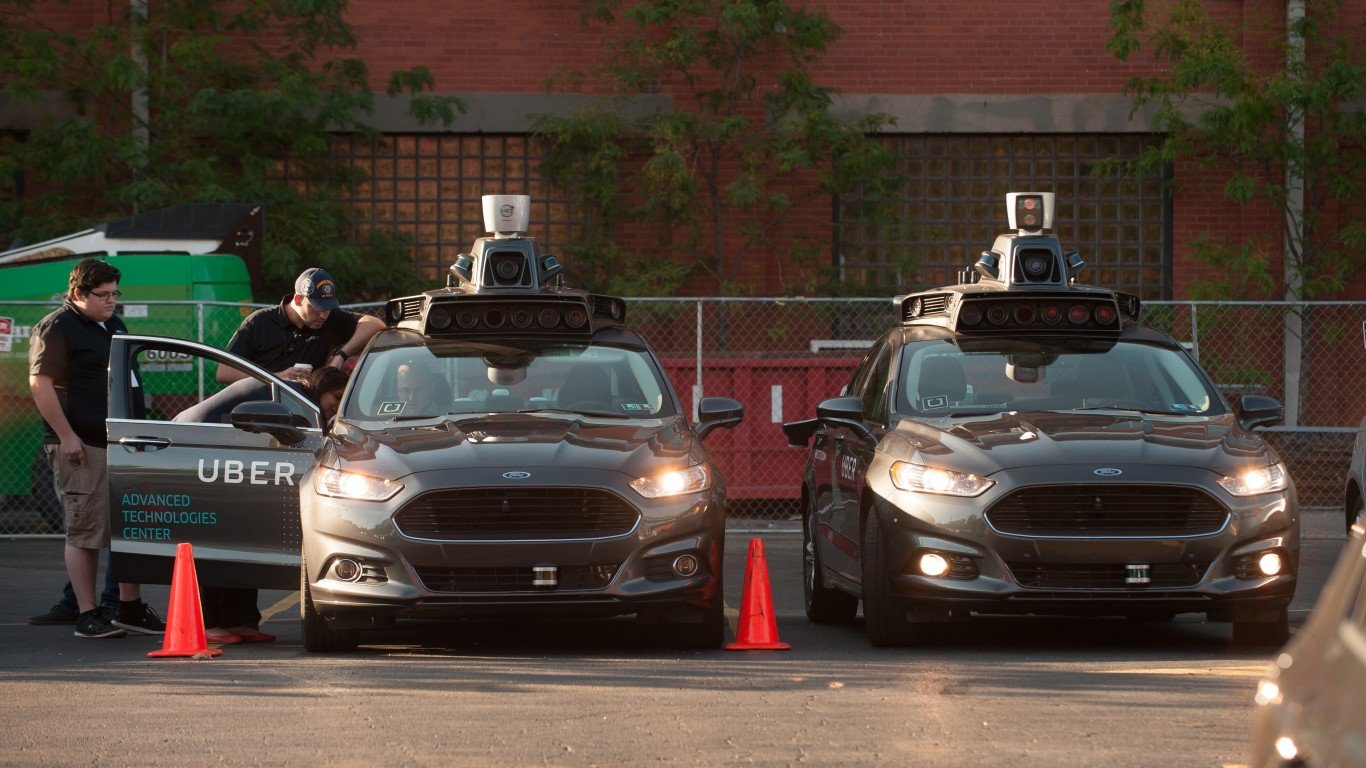
Uber (NYSE:UBER | UBER Price Prediction) is cutting 3,300 jobs and flattening its management structure while committing $10 billion over a multi-year period to autonomous vehicles it does not build itself. According to Reuters, the restructuring reduces the number of reporting levels below CEO Dara Khosrowshahi by 7 or more and cuts fully remote roles to roughly 1% of headcount.
Uber launched robotaxi rides in London with Wayve, with licensed safety operators still on board. The two decisions signal a shift in what Uber thinks its job is: the company that spent a decade avoiding capital intensity is now underwriting the commercial layer of an industry whose economics belong to somebody else.
What Uber Actually Announced

On the Q2 call, Khosrowshahi said Uber had “surgically, in a couple of organizations, cut headcount by about 10% to 20%” against a company generating more than $10 billion of trailing twelve-month free cash flow. Q2 gross bookings grew 22% year-on-year to $58.02 billion, with non-GAAP EPS up 35%. The stock is down 6.44% year-to-date.
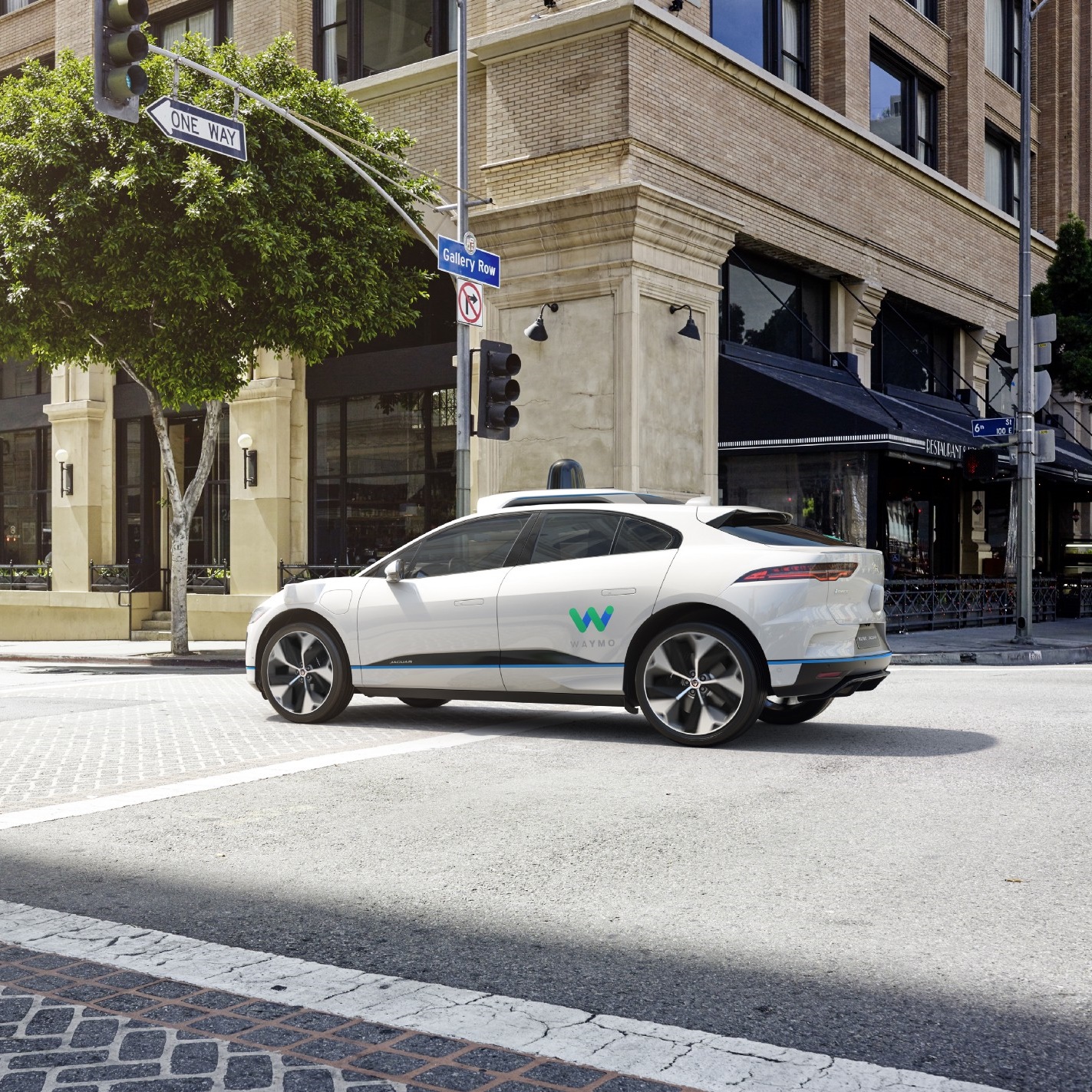
Khosrowshahi wants Uber to be “the world’s leading commercialization platform for autonomous vehicles.” Uber was live in seven cities and expected to be live in 15 by year-end, with Waymo described as “a very, very important partner,” while also working with Wayve, Zoox, Pony, Baidu and NVIDIA.
AV trips remain less than 0.5% of Uber’s 300 million weekly trips. The $10 billion covers equity stakes in AV software partners and selective balance-sheet support, including roughly 120,000 vehicle commitments. Khosrowshahi said partners have raised an additional $2.5 from other investors for every dollar Uber commits.
Where Uber’s Bargaining Power Breaks Down
Uber’s marketplace worked because supply was effectively free. Drivers brought their own cars and absorbed depreciation. Autonomy inverts that. Refusing to invest would let Waymo and Tesla route riders through their own apps, so Uber is choosing to take on the capital intensity and insurance exposure it spent a decade avoiding.
When software is the driver, liability shifts to whoever underwrites the fleet, and that party captures a real slice of per-trip economics. Uber’s leverage lies in demand aggregation and network density, because filling a vehicle’s day is harder than building one. That leverage is real but not absolute against partners with alternatives.


Uber trades at a P/E of 16x against a 2027 EPS estimate of $4.63. Uber’s 41.37% ROE and $2.79 billion quarterly free cash flow give it room to fund the transition without diluting shareholders. The bargaining risk is genuine, but Uber’s aggregation moat is likely to hold through the deployment years, which supports a constructive research view on the shares.
Contact [email protected] for any questions or corrections.
Omor Ibne Ehsan is a writer at 24/7 Wall St. He is a self-taught investor with a focus on growth, cyclical, and dividend equities that have strong fundamentals, value, and long-term potential. He also has an interest in high-risk, high-reward investments such as penny stocks.