If Uber’s Fundamentals Have ‘Dramatically Improved,’ Why Has the Stock Gone Nowhere?
Uber's profits doubled and free cash flow surged past $10 billion, yet the stock keeps sliding while rivals circle the ride-hailing throne. The real question is whether Wall Street is seeing something bulls are missing, or pricing in a robotaxi…

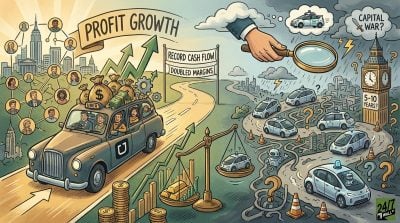
Uber (NYSE: UBER | UBER Price Prediction) shares were last seen trading at $75.76, leaving the ride-hail and delivery platform down 7.3% year to date and off 17.6% over the trailing year. On the September 6 episode of The Investor’s Podcast (We Study Billionaires), titled “TIP844: Uber (UBER): The Autonomy Referendum: Is Mr. Market Completely Wrong?” hosts Shawn O’Malley and Daniel Mahncke argued the operating business moved sharply in the opposite direction of the tape.
Valuation Compression While Fundamentals Improved
O’Malley framed the disconnect this way: “Uber’s fundamentals have dramatically improved: profits doubled, margins swung 55 percentage points, and free cash flow hit $10B, yet the stock is flat as its valuation multiple was cut in half.” Reported operating income climbed from $2.799 billion in fiscal 2024 to $5.565 billion in fiscal 2025, and Uber’s Q2 2026 filing logged net income of $2.39 billion, up 76.7% year over year, alongside free cash flow of $2.79 billion.

Against that backdrop, Uber has a market capitalization of roughly $154.7 billion and a trailing price-to-earnings ratio near 17. A multiple of operating profits simply measures how many years of current profit an investor is paying for. The hosts’ complaint is that the number contracted while the profit stream expanded.
Autonomy Scale Gap Is Wider Than Headlines Suggest
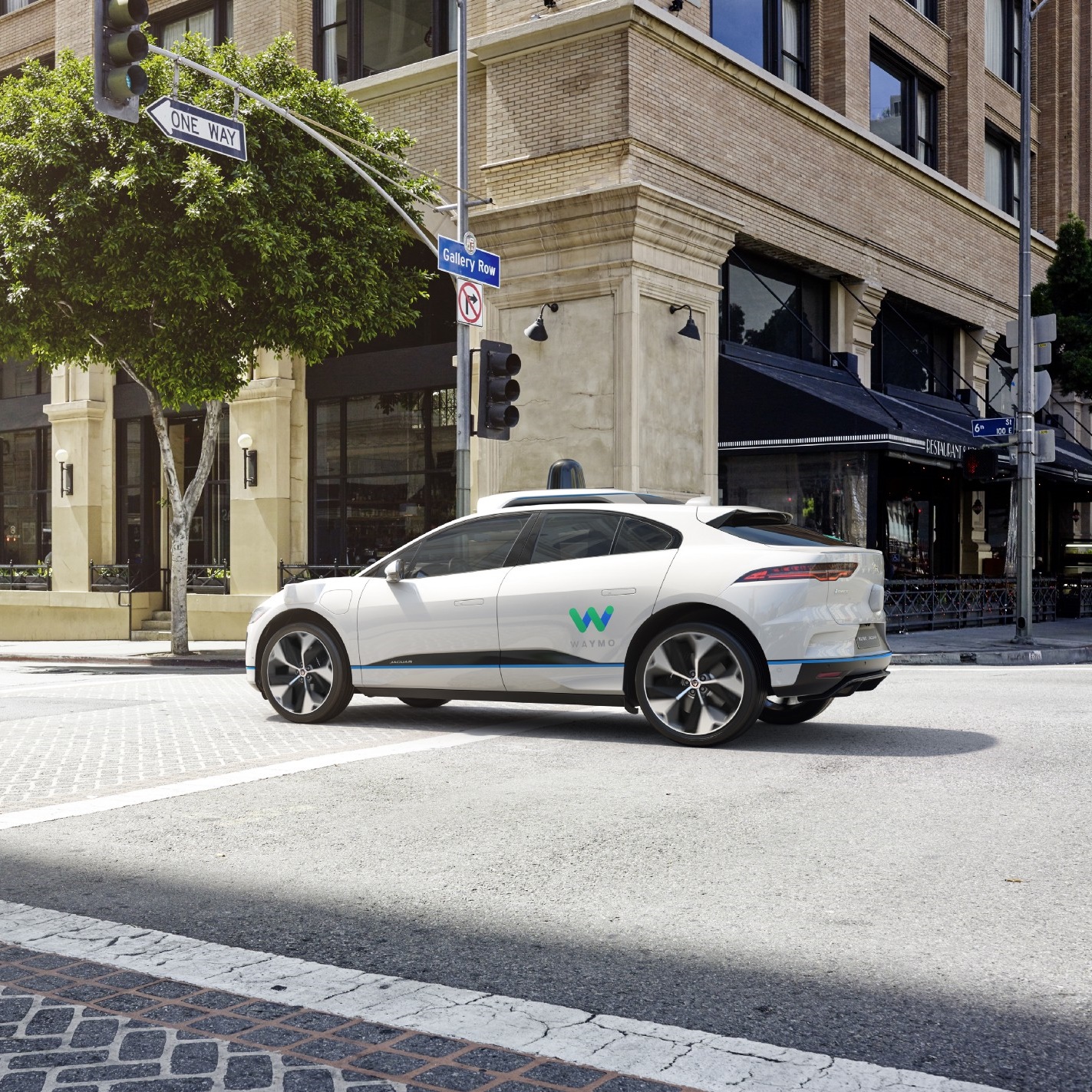
The hosts spent most of the episode on autonomous vehicles (AV), because that is what the equity market appears to be pricing. Their point is that self-driving software and demand aggregation are separate problems. Demand aggregation is the work of matching millions of riders to available cars in real time across cities, weather, and payment systems. Waymo is scaling admirably, yet its weekly ride volume pales in comparison to Uber’s daily trip count, and total global autonomous trips per year are dwarfed by Uber’s annual trip growth alone. Uber reported 3.9 billion trips in Q2 2026 and 208 million monthly active platform consumers. Robotaxis still have to earn their way through rainstorms, blizzards, chaotic traffic, and developing-world roads, not just the pristine grids of San Francisco and Austin.
Mahncke sized the actual exposure directly: “If you decompose Uber’s profits and look at the top 20 US cities where robotaxis realistically operate at scale, that’s effectively 9% of Uber’s profits that are genuinely exposed to robotaxi competition in the near to medium term, maybe five to ten years.”
Bear Case the Hosts Actually Take Seriously
The hosts do not wave away the threat. Waymo studied Uber’s consumer base and demand aggregation and chose to build its own app, and it is ending exclusive arrangements in Austin and Atlanta. Mahncke noted that Waymo “can afford to have terrible fleet utilization for years if that’s what it takes to displace Uber” given roughly $16 billion of fresh capital and Alphabet backing. Their real fear is a capital-burning subsidy war that produces a bleak picture for shareholder returns, and one host openly admitted he expects to keep questioning his own conviction as the story develops.
Uber’s Counter-Move on AV Partners
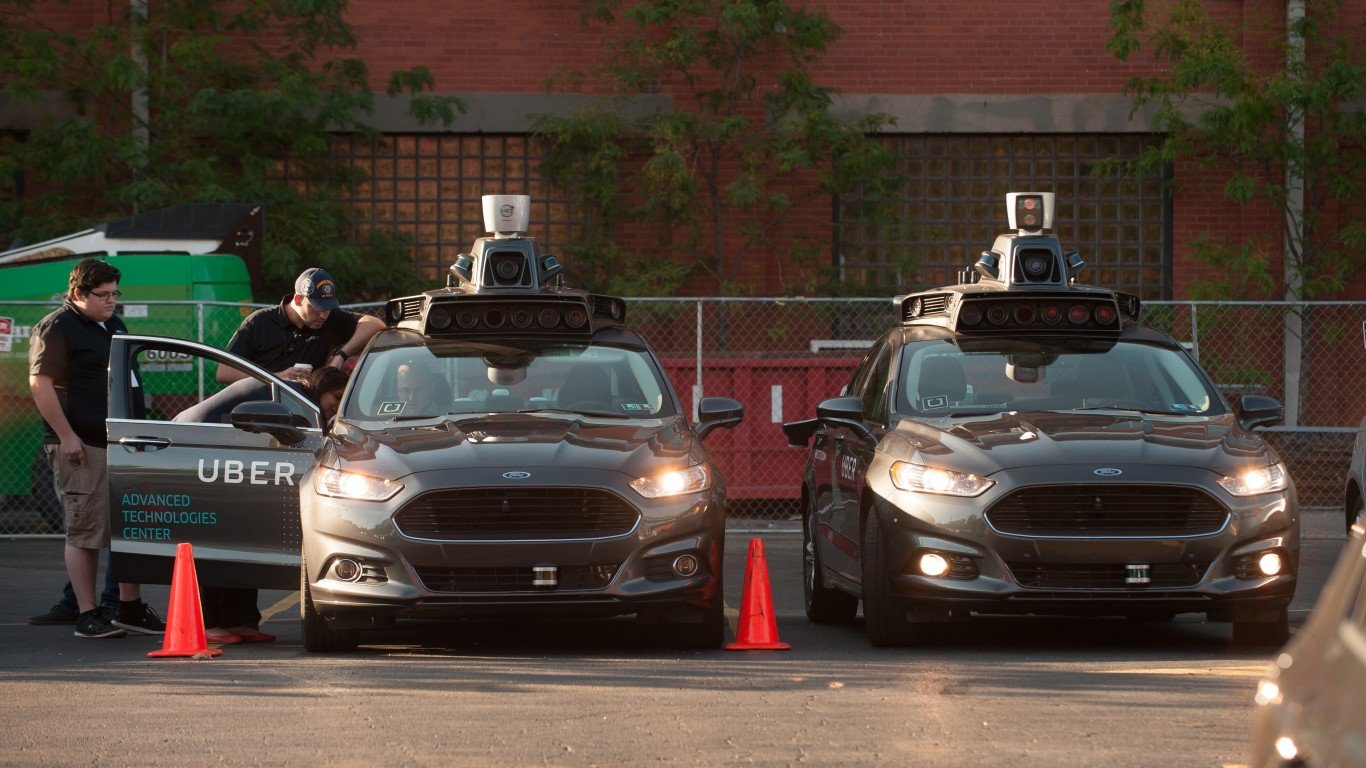
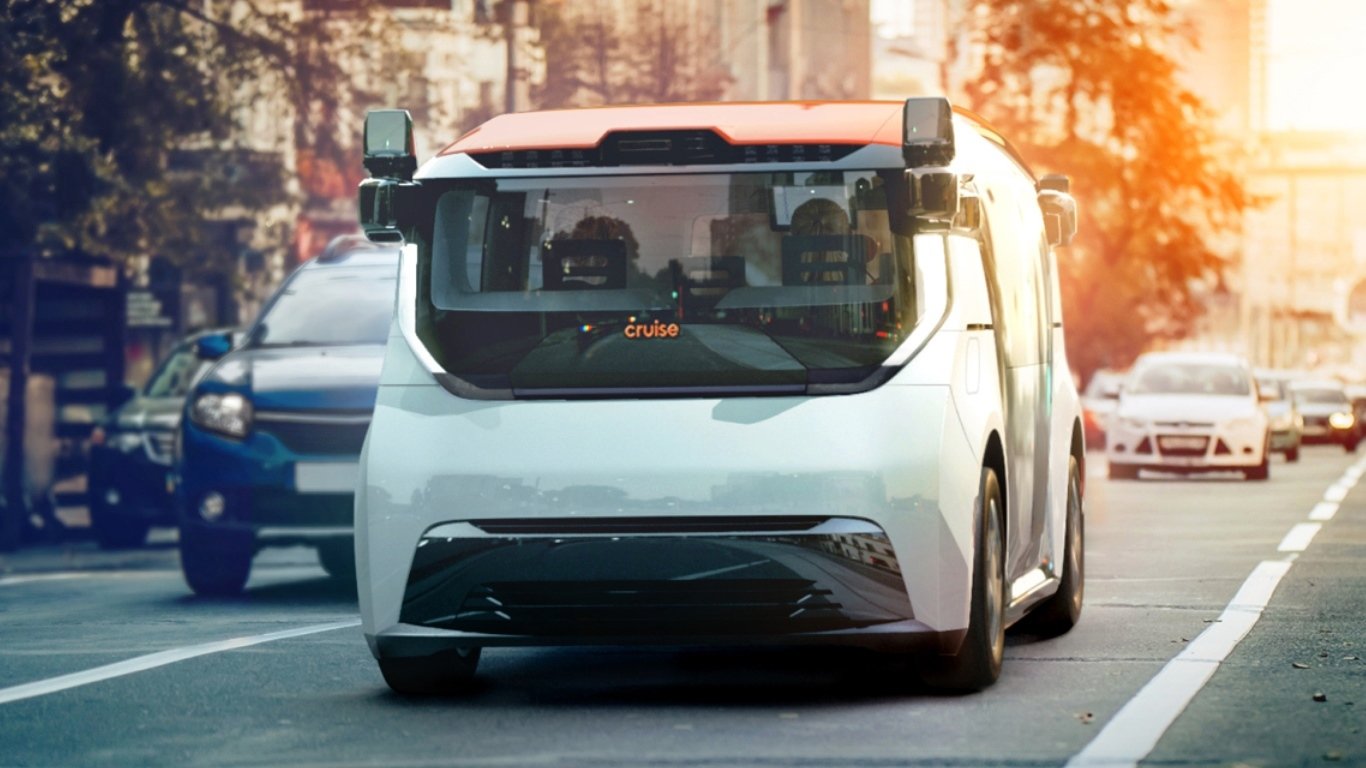
Uber’s answer is to court every capable AV supplier. The company has grown its partner roster from 14 to more than 20 companies, including Rivian, Nuro, Nvidia, Baidu, and Pony AI, and committed more than $100 million to AV charging infrastructure. If self-driving software becomes a commodity input, meaning many providers offer roughly interchangeable capability at declining prices, the platform aggregating global demand becomes the scarce asset. Meanwhile, Uber returned capital aggressively, with $6.5 billion of buybacks in fiscal 2025 and a $20 billion repurchase authorization. Our coverage of the Q3 2025 reaction captured the same pattern of strong results meeting a skeptical tape.
What Would Falsify the Contrarian Bull Case
The hosts call this their most strongly held contrarian opinion. Two developments would break the thesis: Waymo or another rival reaching Uber-scale ride volume globally would collapse the demand-aggregation moat, and a sustained price war that Uber must fund from its own cash flow would consume the buyback capacity that has supported per-share metrics. Absent those, the podcast’s argument is that the equity is priced for an autonomy apocalypse that is not arriving on the assumed schedule.


Contact [email protected] for any questions or corrections.
Trey has been an editor and author at 24/7 Wall St. for more than a decade, where he has published thousands of articles analyzing corporate earnings, dividend stocks, short interest, insider buying, private equity, and market trends. His comprehensive coverage spans the full spectrum of financial markets, from blue-chip stalwarts to emerging growth companies.
Beyond 24/7 Wall St., Trey has created and edited financial content for Benzinga and AOL's BloggingStocks, contributing additional hundreds of articles to the investment community. He previously oversaw the 24/7 Climate Insights site, managing editorial operations and content strategy, and currently oversees and creates content for My Investing News.
Trey's editorial expertise extends across multiple publishing environments. He served as production editor at Dearborn Financial Publishing and development editor at Kaplan, where he helped shape financial education materials. Earlier in his career, he worked as a writer-producer at SVE. His freelance editing portfolio includes work for prestigious clients such as Sage Publications, Rand McNally, the Institute for Supply Management, the American Library Association, Eggplant Literary Productions, and Spiegel.
Outside of financial journalism, Trey writes fiction and has been an active member of the writing community for years, overseeing a long-running critique group and moderating workshop sessions at regional conventions. He lives with his family in an old house in the Midwest.