Most Drivers Are Overpaying. Lemonade CEO Says Two-Thirds Subsidize the Highest-Mileage Third.
Lemonade's CEO claims the way auto insurance has always worked quietly punishes the majority of drivers, and his company is betting a radical repricing model around telematics and Tesla's self-driving miles can finally flip that equation into a profit.

This post may contain links from our sponsors and affiliates, and Flywheel Publishing may receive compensation for actions taken through them.

Daniel Schreiber, CEO of insurtech company Lemonade, has a message for the roughly 230 million licensed U.S. drivers: most of you are paying too much. On Bloomberg Businessweek, the co-founder of Lemonade (NYSE:LMND) argued that two-thirds of drivers cover less road than average, meaning they are quietly subsidizing the heaviest-driving third. He called mileage “the single most important metric for an insurance company to know,” and said most carriers cannot see it.
The pitch lands as Lemonade tries to convert that pricing thesis into its first-ever profitable quarter. Shares trade at $52.87, down 25.7% year to date, while the company guides to its first positive adjusted EBITDA quarter in Q4 2026.
Two-Thirds Subsidy Pitch, Decoded
Schreiber’s argument starts with microdata legacy carriers cannot see. Gender, credit score, marital status and education serve as stand-ins for the driving behavior they cannot observe directly. Lemonade says telematics replaces some of that guesswork with mileage and driving-quality data. Across pricing and customer acquisition, roughly 50 machine-learning algorithms also process factors such as cost to serve, expected customer duration and claims behavior. Management’s target is about $3 in customer lifetime value for every $1 spent acquiring that customer.
The same efficiency shows up in claims handling. Lemonade posted a 5% loss-adjustment-expense ratio in Q2, compared with an industry average near 9%. Co-founder and co-CEO Shai Wininger noted, “Our competitors spend almost twice as much as we do on handling claims.” Schreiber added that the gap “allows us to produce a pricing advantage that will allow us to continue to grow and take market share.”
Tesla FSD Angle: A 50% Per-Mile Discount
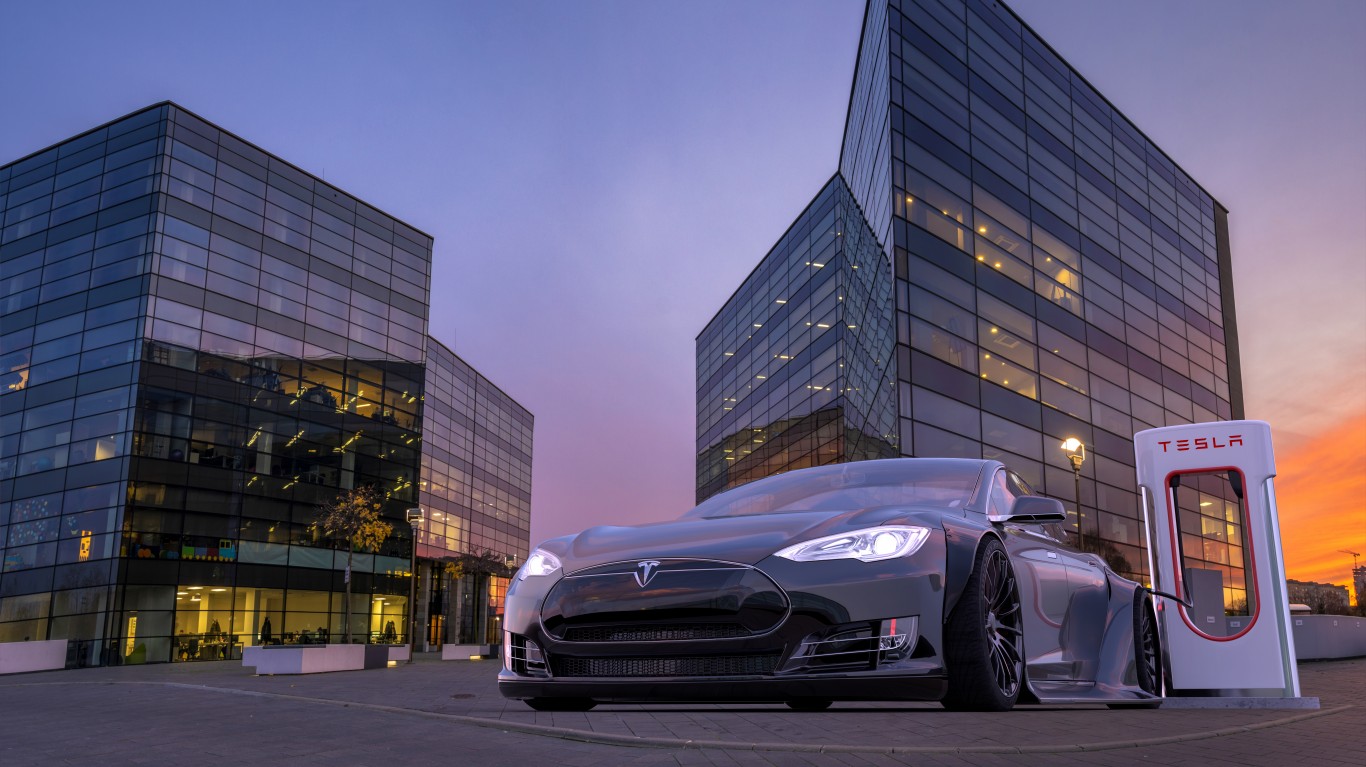
The sharpest expression of Lemonade’s segmentation is its autonomy-aware product for Tesla (NASDAQ:TSLA | TSLA Price Prediction) Full Self-Driving (Supervised) vehicles; it prices autonomous miles at about a 50% discount on a per-mile basis when FSD is engaged. Lemonade plugs into Tesla APIs, then adjusts pricing based on model, sensors, software version, and outcomes.
Tesla shares changed hands at $363.47 at last check and are up 10.6% over the past month. The autonomy footprint continues to widen: FSD subscription attach rates exceeded 55% of new North American deliveries in Q2, active FSD subscriptions reached 1.48 million, and Robotaxi operations have expanded to seven U.S. metros. Elon Musk described the ramp as “literally exponential while keeping an impeccable safety record.” Every FSD-enabled Tesla is a potential Lemonade customer paying by the autonomous mile.
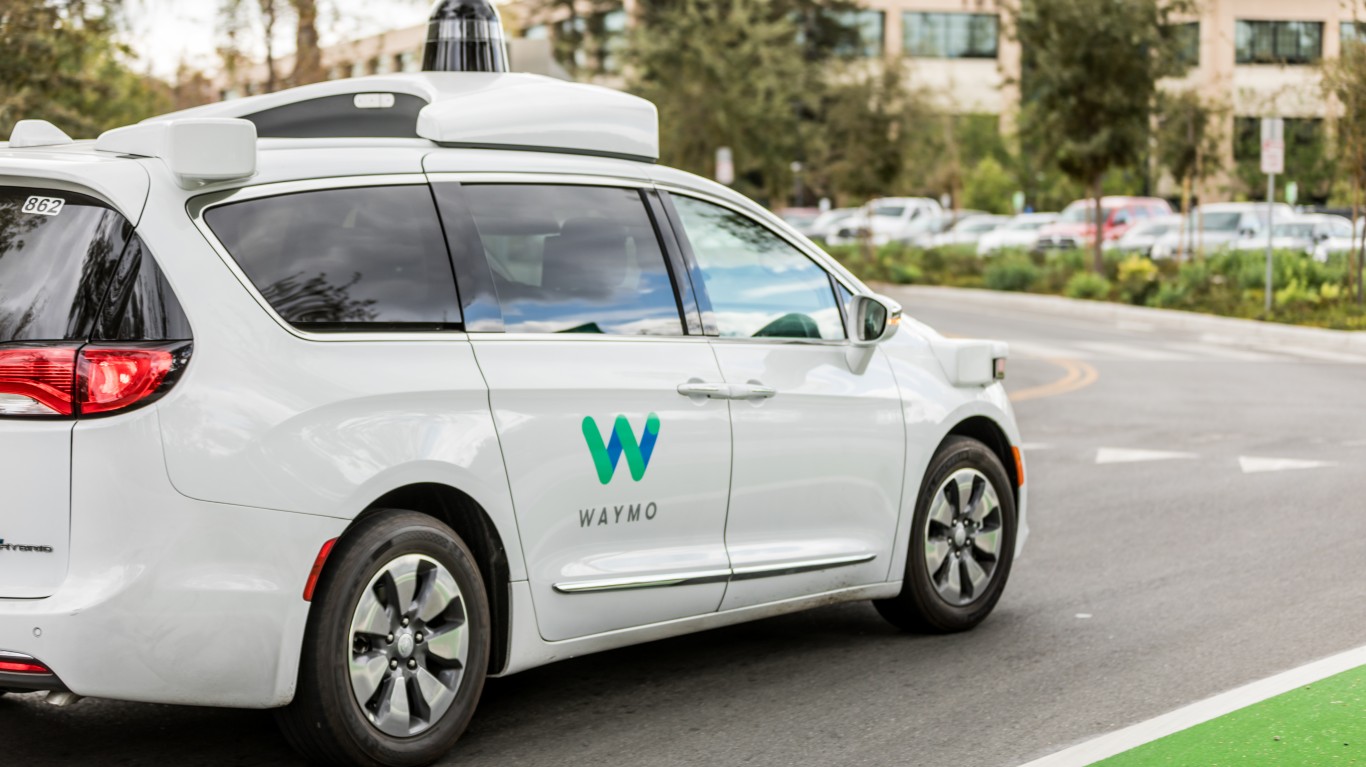
Lemonade launched autonomous car coverage in Colorado and Indiana in Q2, adding Missouri in early September. Wininger tipped his hand on what’s to come, saying, “before the end of 2027, I believe our car product will be available to the majority of drivers in the United States.”
Profitability Reality Check
The catch: Lemonade has yet to post a profitable quarter. Outside the bottom line, however, the business is firing on nearly all cylinders. Q2 2026 revenue rose 79.4% year over year to $294.4 million, in-force premium reached $1.43 billion (up 32.4%), and the gross loss ratio improved to 60% from 67%. Car IFP grew to $239 million from $150 million, and car itself grew 60% year over year. EPS was -$0.56, and net loss came in at -$43.4 million.
Management reaffirmed its $1.214 to $1.220 billion full-year revenue range, a Q4 adjusted EBITDA of roughly $8 million positive, and full-year positive adjusted EBITDA in 2027. Details on car strategy are expected at Lemonade’s Investor Day on November 17, 2026 in New York. The Q2 shareholder letter filed with the SEC lays out the underwriting detail.
What Investors Should Watch
The investor’s tradeoff is straightforward. Low-mileage and FSD-heavy drivers may pocket real savings under Lemonade’s model. The cost is handing over continuous vehicle telemetry. For LMND shareholders, the question is whether granular pricing plus a structurally lower LAE ratio can convert a decade of losses into durable operating leverage before the growth spend catches up. Q4 will settle the first half of that issue. Tesla adoption will settle the second.
Contact [email protected] for any questions or corrections.
Gerelyn Terzo is the author of dividend investing handbook "Dividend Investing Strategies: How to Have Your Cake & Eat It Too." A veteran financial journalist, she covers agri-finance for outlets like Global AgInvesting and the broader stock market and personal finance for 24/7 Wall Street. She began at CNBC and later helped launch Fox Business in New York. Gerelyn currently resides in Woodland Park, Colorado and dabbles in nature photography as a hobby.