iPhone Duo Threatens iPad Sales
Apple's new foldable iPhone carries a price tag that dwarfs the iPad mini, yet reviewers say it might make the tablet obsolete. Whether consumers agree could reshape which Apple products survive.


Read almost any review of the new $1,999 iPhone Duo (that’s the base price). It’s just as good as, if not better than, the mini iPad, reviewers say. That opens the question of whether people will buy the Duo at the higher price.
The Duo will likely be bundled with three-year subscriptions from AT&T (NYSE: T | T Price Prediction), Verizon (NYSE: VZ), and T-Mobile. Verizon charges $33.33 for the iPhone 17 Pro Max. But that includes a three-year subscription to Verizon’s cellular network. The Duo will be sold the same way. The monthly price will probably be closer to $60, given the Duo’s retail price. Spread over 36 months, the deal may be a bargain for those desperate to own one.
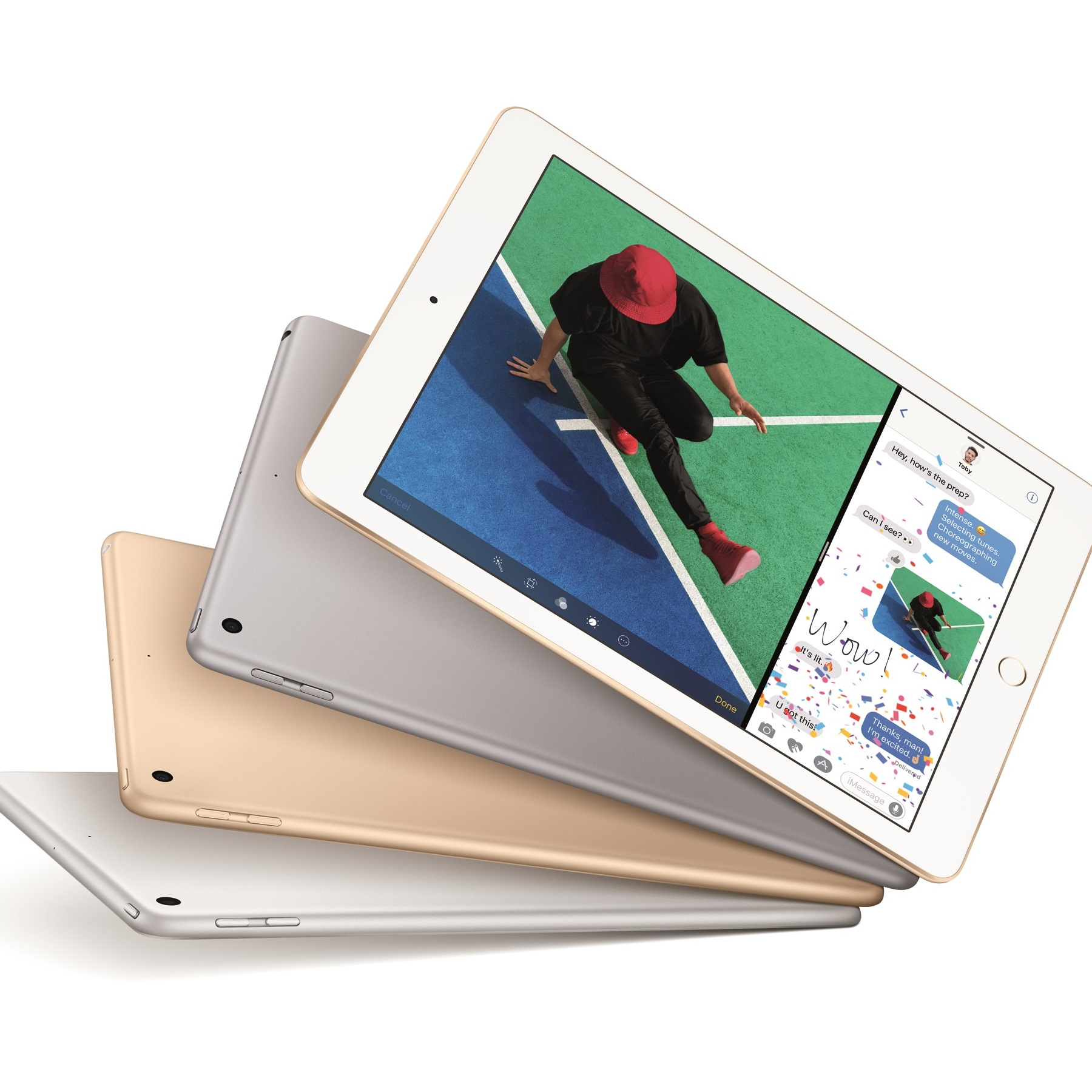
The Duo has a 7.6-inch screen when open. The iPad mini is 8.3 inches measured as a rectangle. Cellular models with high storage capacity can push the mini’s price as high as $899. That means the Duo is more than twice as expensive.
Apple (NASDAQ: AAPL), of course, is selling the Duo as a product light-years ahead of anything else it has launched. “The largest iPhone display ever. Foldable, posable, standable. Featuring unique iOS experiences for ultimate versatility,” Apple said. Apple released the first iPad mini in 2012. Although it has been updated since then, in “Apple years” it is really old.
The Duo has two advantages over other products, even the new iPhone 18 Pro ($1,199 base price). It is, by Apple’s estimation, the largest iPhone advance since the first one was launched in 2007. And when Apple releases new products, people usually rush to buy them. Consumers cannot help themselves.
If the Duo takes some mini sales away, it may not be a problem. In the most recent quarter, iPhone revenue was $54.3 billion out of $109.4 billion. iPad revenue was $6.2 billion, and the mini is only part of that revenue.
Apple investors worry that, at some point, the company will launch an iPhone that won’t trigger an avalanche of buyers. Apple’s new iPhone lineup makes that less likely. So, a sacrifice of iPad sales may barely matter.
Contact [email protected] for any questions or corrections.
Douglas A. McIntyre is the co-founder, chief executive officer and editor in chief of 24/7 Wall St. and 24/7 Tempo. He has held these jobs since 2006.
McIntyre has written thousands of articles for 24/7 Wall St. He is an expert on corporate finance, the automotive industry, media companies and international finance. He has edited articles on national demographics, sports, personal income and travel.
His work has been quoted or mentioned in The New York Times, The Wall Street Journal, Los Angeles Times, The Washington Post, NBC News, Time, The New Yorker, HuffPost USA Today, Business Insider, Yahoo, AOL, MarketWatch, The Atlantic, Bloomberg, New York Post, Chicago Tribune, Forbes, The Guardian and many other major publications. McIntyre has been a guest on CNBC, the BBC and television and radio stations across the country.
A magna cum laude graduate of Harvard College, McIntyre also was president of The Harvard Advocate. Founded in 1866, the Advocate is the oldest college publication in the United States.
TheStreet.com, Comps.com and Edgar Online are some of the public companies for which McIntyre served on the board of directors. He was a Vicinity Corporation board member when the company was sold to Microsoft in 2002. He served on the audit committees of some of these companies.
McIntyre has been the CEO of FutureSource, a provider of trading terminals and news to commodities and futures traders. He was president of Switchboard, the online phone directory company. He served as chairman and CEO of On2 Technologies, the video compression company that provided video compression software for Adobe’s Flash. Google bought On2 in 2009.