Memory Stocks Lead AI Selloff as Anthropic and OpenAI Chiefs Urge Slower Development: Micron and SanDisk Sink 6%, SK Hynix Drops 7%
When the CEOs of Anthropic and OpenAI called for slower AI development over the weekend, memory stocks took the sharpest hit in the market Monday morning, and the reason behind that specific reaction reveals exactly how fragile the AI-infrastructure trade…

This post may contain links from our sponsors and affiliates, and Flywheel Publishing may receive compensation for actions taken through them.
Memory stocks are leading an AI-infrastructure selloff early Monday. Micron Technology (NASDAQ:MU | MU Price Prediction) stock is down 6% to $916.03, SanDisk (NASDAQ:SNDK) stock is falling 6% to $1,531, and SK Hynix (NASDAQ:SKHY) stock is declining 7% to $175.98.
The move follows weekend commentary from the chief executives of Anthropic and OpenAI calling for a deliberate slowdown in the pace of AI capability advancement. Memory names carry some of the richest AI-infrastructure expectations in the market, which is why the reaction is concentrated inside the group rather than spread evenly across large-cap technology.
The Roundhill Memory ETF (CBOE:DRAM) is down 7%, while the Invesco QQQ Trust (NASDAQ:QQQ) is down 2%. The memory fund is falling several times as hard as the broader NASDAQ 100, which places the selling inside the memory complex rather than across the market.
AI Slowdown Call Rattles the Memory Trade
Anthropic CEO Dario Amodei published an essay on Saturday stating, “We must slow the pace at which we improve the capabilities of AI models.” OpenAI CEO Sam Altman said he agreed, and posted early Monday that pacing does “not mean ‘stopping.'” Anthropic and OpenAI are privately held, and neither company has signaled a change to capital plans or model-training budgets.
Bernstein analyst Madison Rezaei framed the memory reaction directly, writing, “At this point, it’s not a call for a lowering of capex or stopping model training. However, many investors have started to question what happens if training slows.” That note captures why the selling in memory names is theme-level. The essays change sentiment immediately and change hyperscaler orders only if anyone acts on them.
Why Memory Sits at the Epicenter
SK Hynix is the most direct memory read on AI training demand, serving as the primary HBM supplier for NVIDIA AI accelerators, and its 7% drop is the deepest of the three names. The Roundhill fund’s construction reinforces the point, since Samsung Electronics, SK hynix and Micron Technology each carry roughly a quarter of the portfolio, so any theme-level rerating of memory hits the ETF disproportionately.
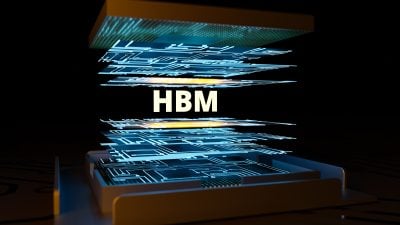
Micron and SanDisk are falling by nearly the same amount despite very different businesses. Micron plays the high-bandwidth memory (HBM) and DRAM side of the AI trade, and SanDisk sells NAND and enterprise SSDs into the same data-center customers. That symmetry says the selling is theme-level rather than company-specific.
Micron stock is up 221% year to date (YTD), and that gain is the context for the size of Monday’s decline. A name that has more than tripled this year carries the most embedded profit for holders to protect on any credible threat to the AI-memory thesis. Micron’s fiscal Q3 2026 report on June 24 showed revenue of $41.46 billion, and CEO Sanjay Mehrotra described memory as “a strategic asset” in the AI era.

SanDisk’s own August 5 fiscal Q4 2026 report showed revenue of $8.965 billion and a board authorization for an additional $14 billion buyback, with CEO David Goeckeler describing datacenter as a key growth pillar. The bear case for the group is that a slower training frontier eventually compresses memory content per AI server, the part of the thesis carrying the richest expectations. The bull case is that no hyperscaler has cut capital spending, and the Bernstein read positions the essays as a safety framework rather than a spending signal.
What to Watch
Investors can watch for whether any hyperscaler capital-spending commentary shifts in response to the Amodei and Altman essays over the coming days. Micron’s next earnings release is the cleanest near-term test of whether the multi-year Strategic Customer Agreements management has emphasized are absorbing any of Monday’s sentiment shock. The answer sits somewhere between the essays and the order books.
Traders should size their exposure to memory names with the profit cushion in mind, since a group that has run this hard leaves room for a longer unwind if the training-pace debate widens (we wrote a free handbook on riding an AI mania and spotting the exit, here: The Bubble Survivor’s Handbook). SK Hynix carries the most direct HBM leverage, Micron carries the largest embedded YTD gain, and SanDisk carries the newest datacenter story of the three. Each name deserves its own risk framework rather than a single sector-wide call.
Contact [email protected] for any questions or corrections.
David Moadel is financial writer specializing in stocks, ETFs, options, precious metals, and Bitcoin. David has written well over 1,000 articles for leading online publications, helping investors understand markets, income strategies, and risk.His work has appeared in The Motley Fool, InvestorPlace, U.S. News & World Report, TipRanks, ValueWalk, Benzinga, Market Realist, TalkMarkets, Finmasters, 24/7 Wall St., and others.With a master’s degree in education, David has taught at the elementary, high school, and college levels. That teaching background shapes his writing style: clear, educational, and practical. David has also built a loyal social-media audience by providing trustworthy financial content on YouTube, X/Twitter, and StockTwits.