Novo Nordisk Expands Obesity Drug to Children, But Market Hesitates on Adoption
A landmark trial just proved semaglutide can pull children as young as six below the obesity threshold, yet Wall Street shrugged and the real battle over who pays, who prescribes, and whether society is ready has barely begun.

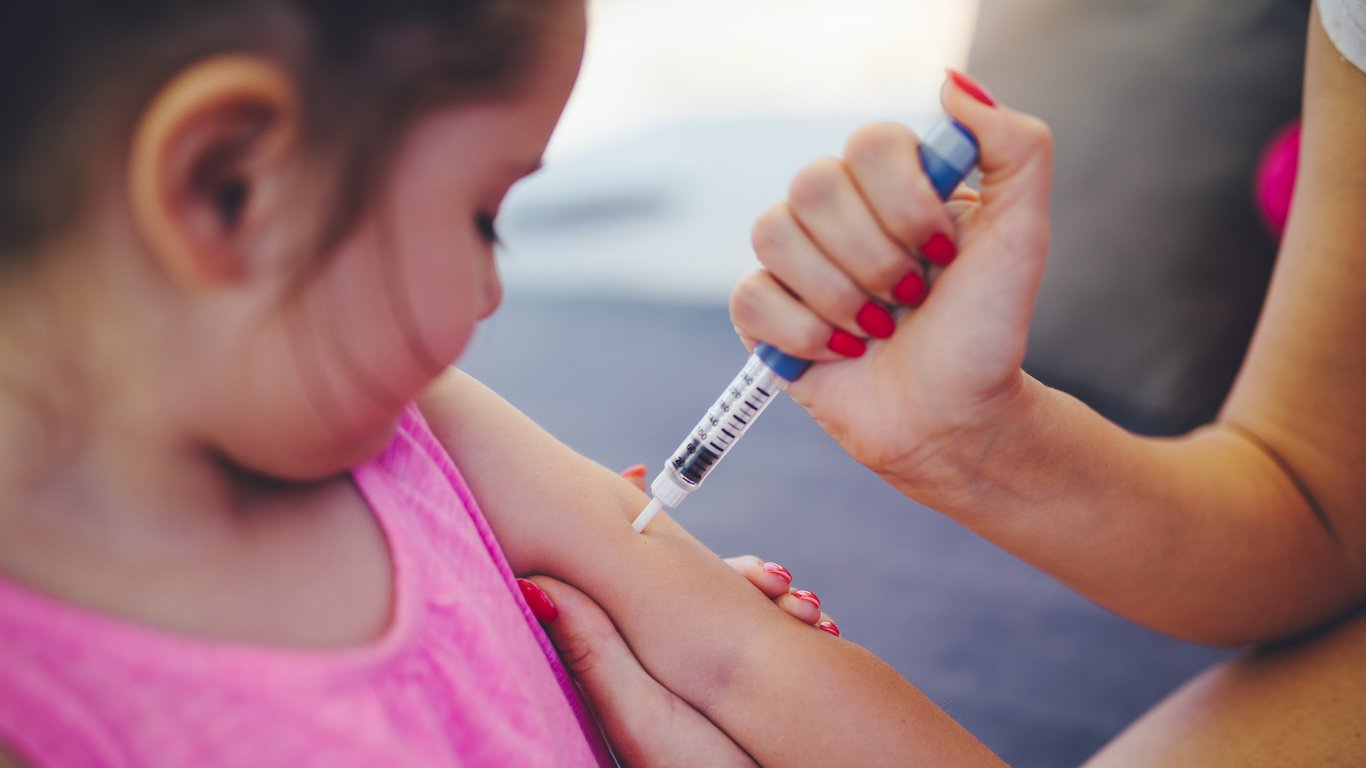
Novo Nordisk (NYSE:NVO | NVO Price Prediction) just gave doctors and parents something genuinely uncomfortable to think about. In Novo Nordisk’s Phase 3 STEP Young trial, weekly semaglutide combined with lifestyle intervention pushed a meaningful share of children ages six to under twelve below the clinical obesity threshold, while none in the placebo group crossed that line.
Novo Nordisk said the study met its primary endpoint for body mass index reduction and that safety was consistent with prior semaglutide work.
The stock has not cheered. Shares last traded at $43.07, down 16.89% over the past year.
Yet if a pediatric label follows, Wegovy would reach an age group Eli Lilly’s tirzepatide has not touched, extending the franchise well before patent pressure matters. The harder question is whether the market actually wants it.
What STEP Young Actually Showed
The trial enrolled children ages six to under twelve. Every participant, including those on placebo, received diet and physical activity counseling, so the drug effect layers on top of lifestyle work.
A large share of treated children moved below the clinical obesity threshold, while Reuters reported that none in the placebo group did.
Crossing that threshold is a statistical milestone, and durability remains an open question. Weight regain after GLP-1 discontinuation is well documented in adults, and pediatric data on stopping therapy are thin.
Wegovy is currently not approved for children under twelve. Novo will need an FDA filing and label expansion before a single six-year-old receives it on-label in the United States.
Why Pediatric Semaglutide Is Harder Than the Adult Market
Treating a still-growing child with a chronic injectable raises real questions about development, puberty timing, and bone density that adult trials cannot answer. Long-term follow-up will take years.
Access is the second wall. Novo has already announced a ~50% Wegovy list price reduction effective January 1, 2027, and Medicaid coverage for obesity drugs has been reduced in several states.
Payers rarely rush to fund pediatric chronic therapy without long safety records, and the optics of prescribing weight loss drugs to first graders will invite scrutiny from pediatricians, ethicists, and lawmakers.
My view: pediatric obesity likely becomes an expansion market for this class, but slowly, with adolescents adopted first and the six-to-eleven cohort trailing by years. Evidence that would move me faster would be a positive FDA advisory vote and major payer coverage commitments within twelve months of filing.
Where NVO Stock Sits
Novo trades at a trailing PE of 11x against an analyst target of $47.23, with 11 hold and 3 buy ratings.

The Wegovy pill has captured around 90% of the US oral obesity medication market, with total prescriptions surpassing 5 million, but injectable pricing pressure and the Lilly rivalry keep growth capped.

The pediatric readout is a long-dated option whose earnings impact sits well beyond the next several quarters. NVO screens as fairly valued at current levels, with the catalysts that matter, CagriSema and pediatric labeling, still ahead.
Contact [email protected] for any questions or corrections.
Omor Ibne Ehsan is a writer at 24/7 Wall St. He is a self-taught investor with a focus on growth, cyclical, and dividend equities that have strong fundamentals, value, and long-term potential. He also has an interest in high-risk, high-reward investments such as penny stocks.