Clark Howard Says GM Is Choosing Price Over Volume
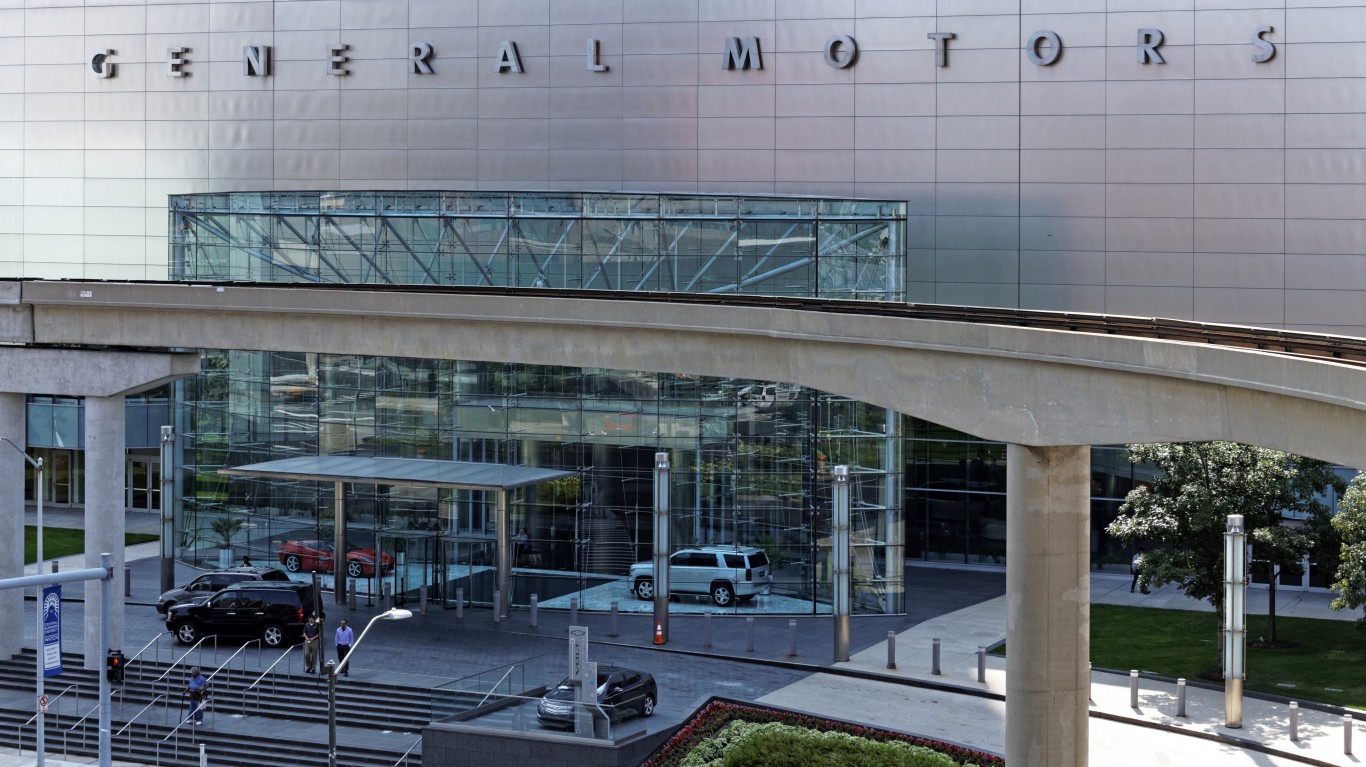
Consumer advocate Clark Howard accuses GM of deliberately selling fewer vehicles to protect profits, and GM's own numbers tell a story that should give every car shopper pause before signing anything.


Car prices came down from their pandemic-era insanity, but plenty of shoppers are still walking onto dealer lots and wondering when exactly the “normal” prices are supposed to come back.
Consumer advocate Clark Howard has an explanation. He argues that automakers including Ford and General Motors have become much more comfortable selling fewer vehicles if it means protecting prices and making more money on each one.
GM’s latest numbers make that argument worth looking at, although the story is a little more complicated than simply saying the company cut supply. Here’s what GM is actually doing, what its latest sales tell us, and why the difference can cost buyers thousands once financing enters the picture.
What Clark Howard Actually Said

Clark Howard has been pretty direct about where he thinks the auto business is headed. Discussing today’s high vehicle prices, Howard said Ford, General Motors, and some European brands would rather sell “a lot fewer cars for a lot more money than get market share.” In other words, chasing every possible sale is no longer necessarily the goal. Protecting pricing and profit can be more valuable.
That’s a provocative way to put it, but parts of GM’s own strategy sound pretty familiar. The company repeatedly talks about pricing discipline, keeping incentives below the industry average, and protecting margins rather than buying sales with giant discounts.
GM Sales Fell 5.5% in the Third Quarter
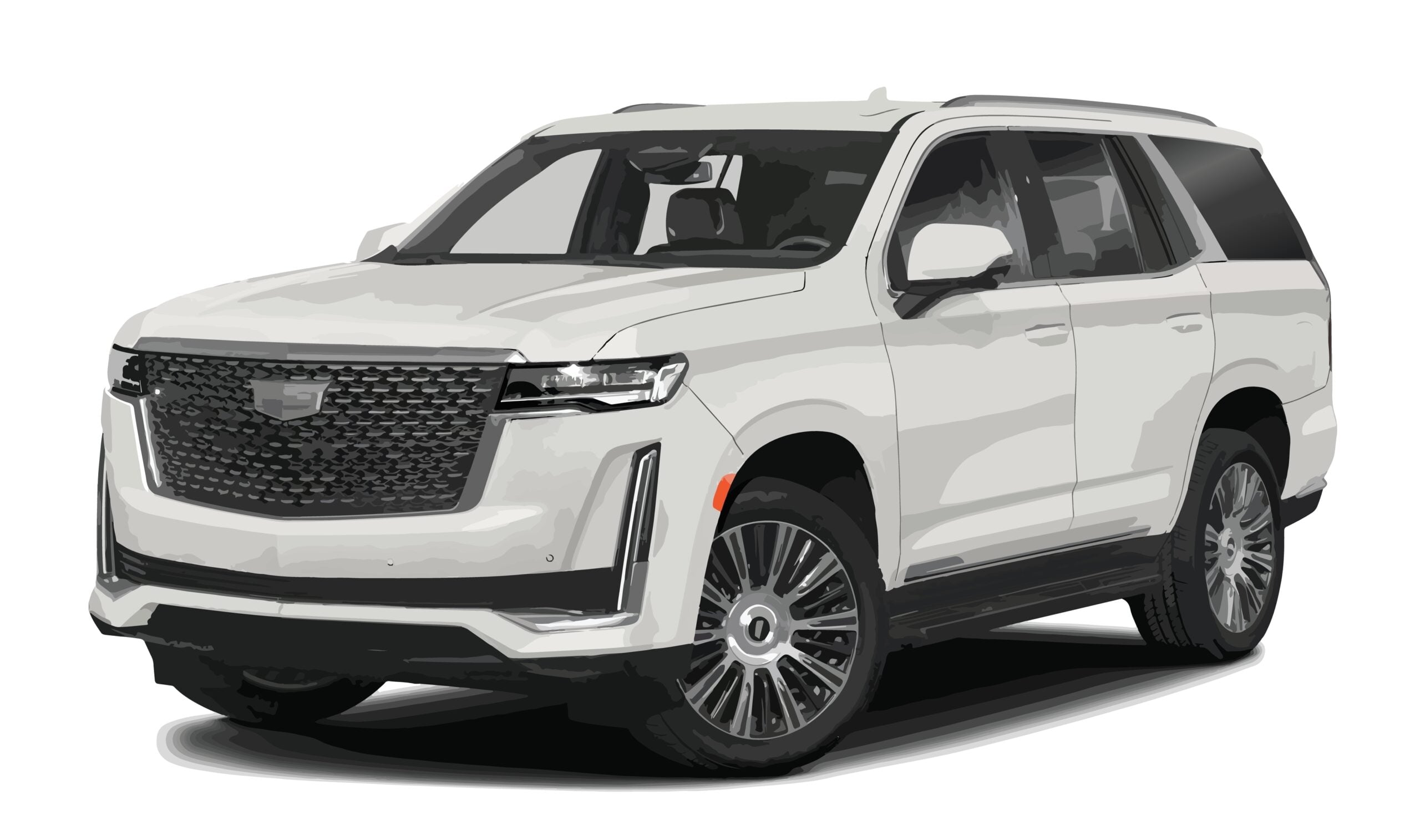
GM delivered 670,974 vehicles in the United States during the third quarter of 2026, down 5.5% from 710,347 a year earlier. Through September, GM had sold just over 2.01 million vehicles, a 6.4% decline from the same period in 2025.
One important distinction, though: these are sales numbers, not GM’s third-quarter earnings. The company isn’t scheduled to release its full Q3 financial results until October 20. That matters because declining unit sales alone don’t tell us whether GM made more or less money during the quarter.
EVs Explain Almost the Entire Sales Drop
This is where the headline number gets much more interesting. GM sold 66,501 EVs during the third quarter of 2025, when buyers were rushing to use the federal EV tax credit before it expired. In the same quarter this year, GM sold roughly 25,473 EVs. That’s a drop of about 62%, or roughly 41,000 vehicles.
GM’s total sales decline was only about 39,000 vehicles. In other words, take EVs out of the equation and sales of the rest of GM’s lineup were actually up slightly, about 0.3%. So the latest quarter doesn’t prove GM deliberately starved dealerships of vehicles. A brutal EV comparison and discontinued models explain most of the decline.
GM Really Is Protecting Its Prices

Howard’s broader argument has more support when you look at pricing. In the second quarter, GM said its incentives averaged 4.7% of MSRP. The industry average was 6.3%, leaving GM about 1.6 percentage points below everyone else.
GM also reported an average transaction price of roughly $52,000 while keeping dealer inventory within its targeted 50- to 60-day range. Management has repeatedly described that combination as pricing and inventory discipline. Translation for shoppers: GM isn’t acting particularly desperate to move every vehicle on the lot with a giant rebate.
Lower Volume Hasn’t Stopped GM From Making Money
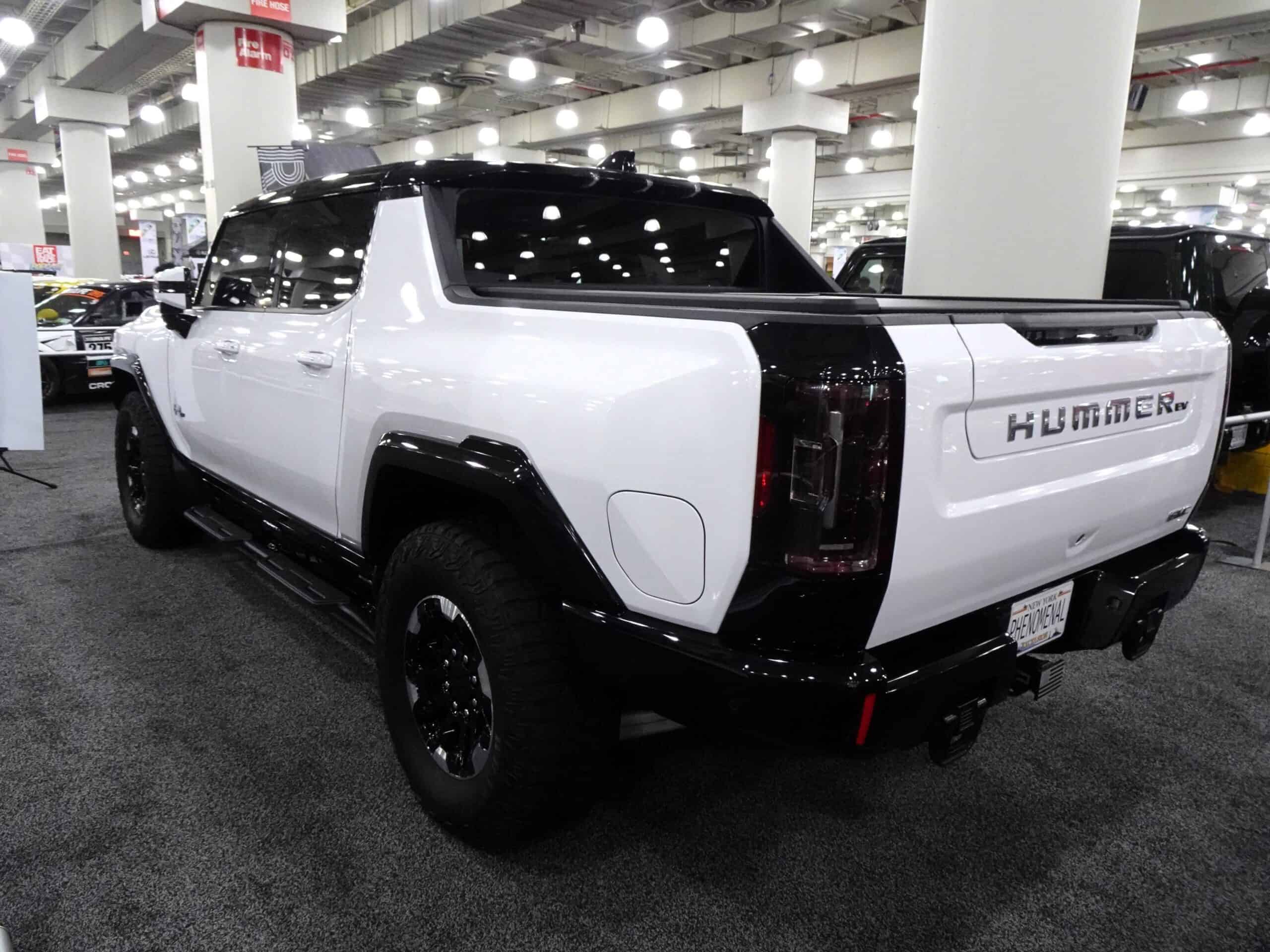
GM’s first-quarter results show why an automaker doesn’t necessarily need record volume to produce strong profits. GM North America wholesaled 793,000 vehicles in Q1, down 4.1% from 827,000 a year earlier. Yet North American adjusted EBIT increased 11.4% to about $3.66 billion.
At the company level, adjusted EBIT rose about 22% to $4.3 billion. GM also said favorable pricing contributed roughly $600 million to North American adjusted EBIT during the first half of 2026. That’s a much stronger piece of evidence for Howard’s argument than simply pointing at falling Q3 sales.
GM’s Big Trucks Are Much More Profitable Than Before
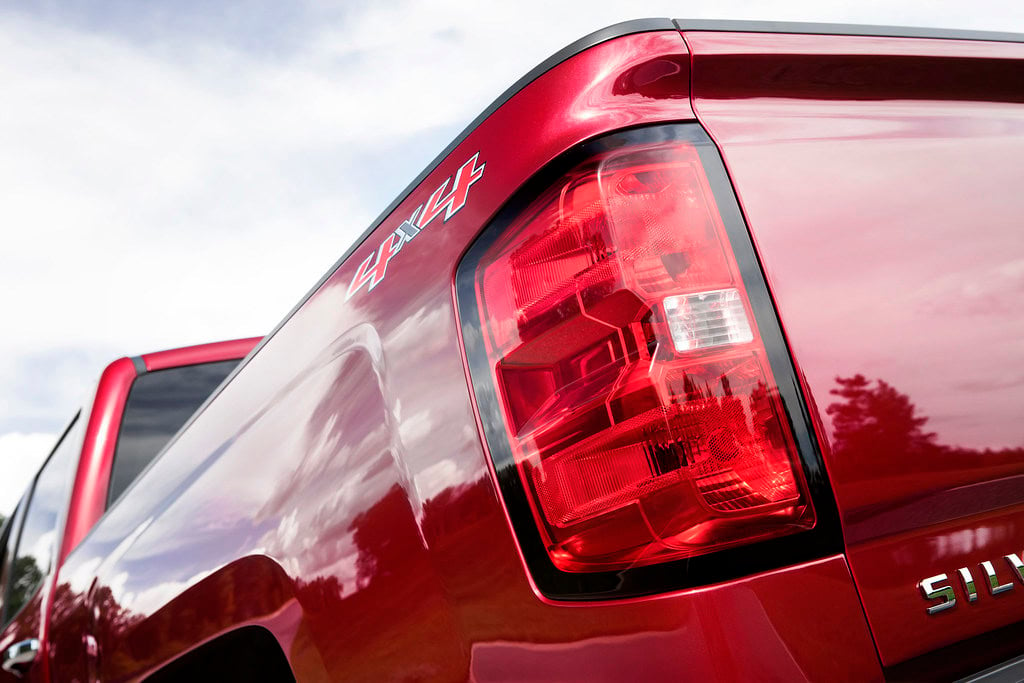
GM says the adjusted EBIT it earns per vehicle from both full-size pickups and full-size SUVs has increased by more than 25% since 2020. Those happen to be some of the company’s most important and most expensive products.
Shareholders have benefited too. GM’s quarterly dividend was $0.12 per share at the beginning of 2025, increased to $0.15 later that year, and reached $0.18 in 2026. That’s a 50% increase from the original $0.12 payout. Whatever you think of high vehicle prices, GM has clearly become better at turning each sale into profit.
Don’t Count on a Huge Truck Clearance Sale

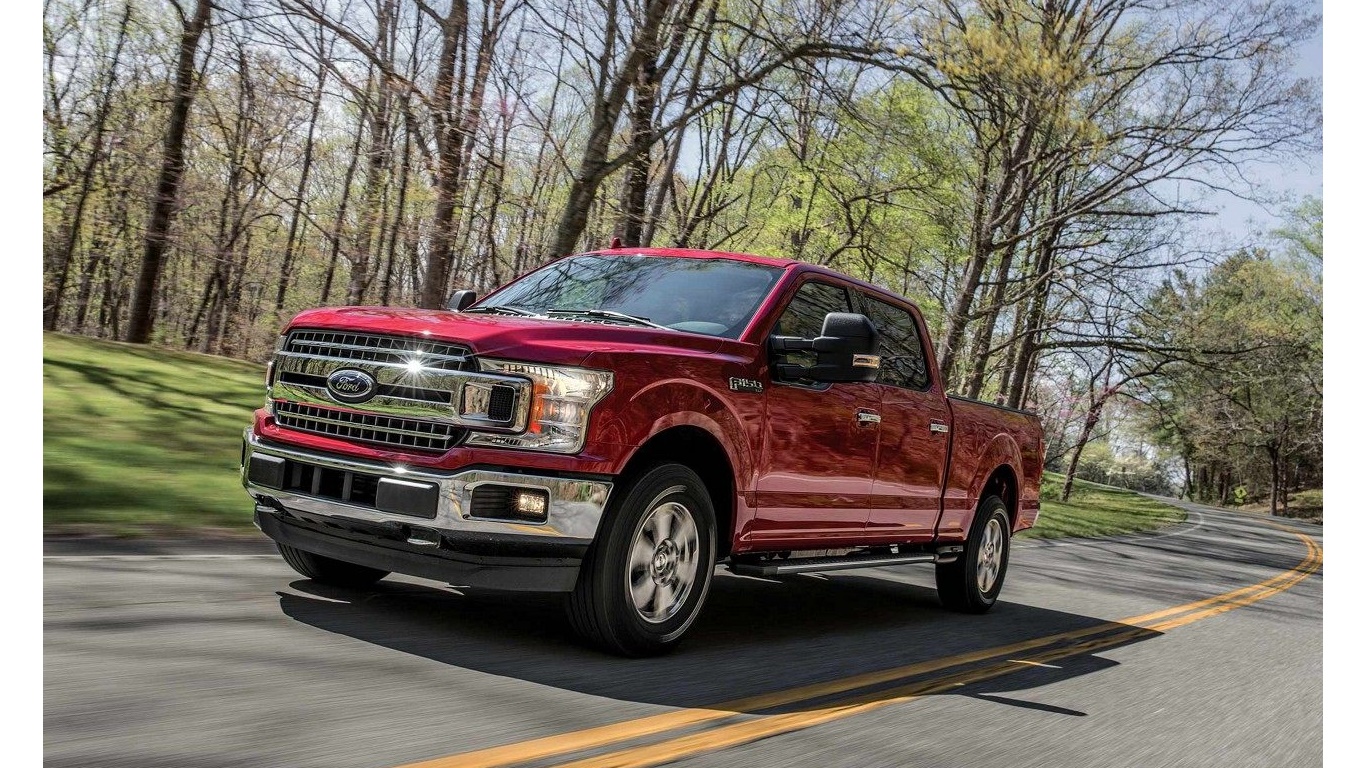
The next-generation Chevrolet Silverado and GMC Sierra light-duty pickups are expected to begin reaching showrooms in December. Normally, that might have bargain hunters waiting for dealers to start blowing out the outgoing trucks.
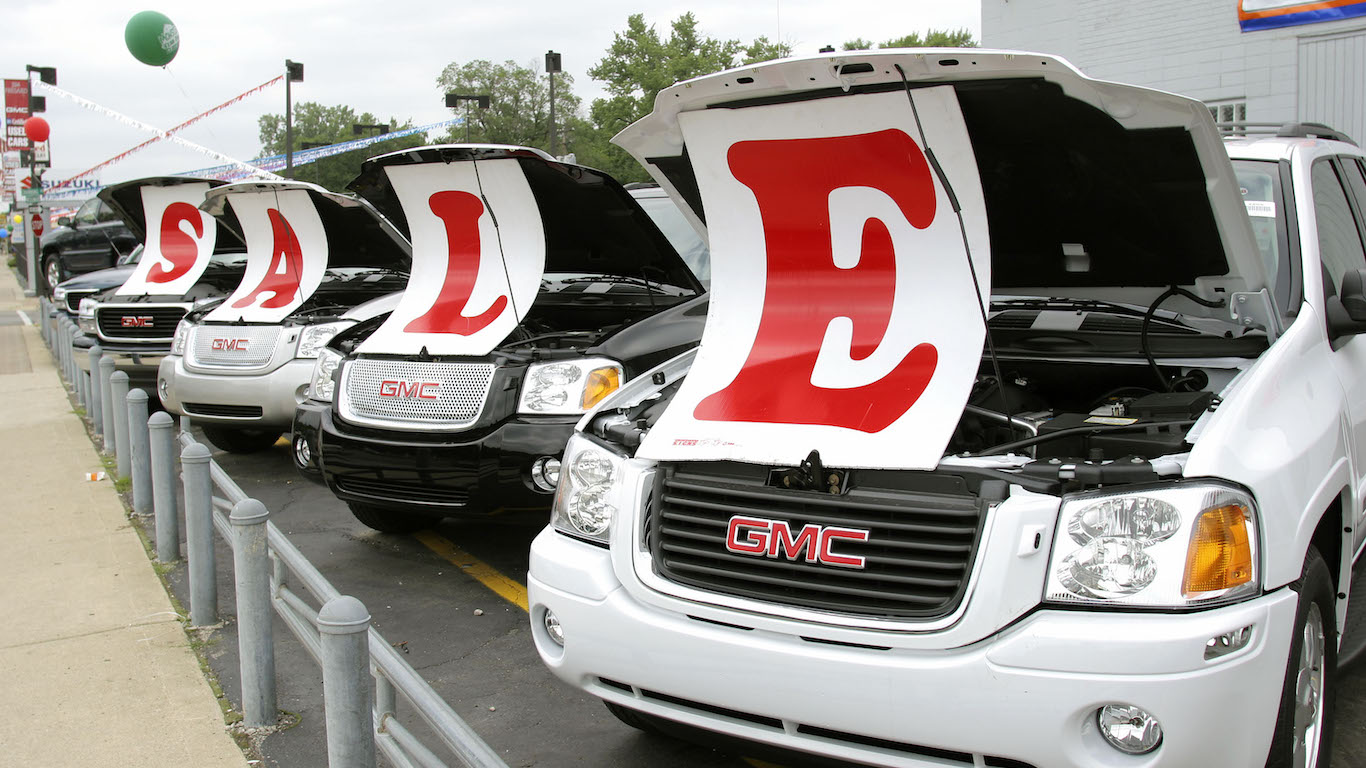
GM CFO Paul Jacobson has specifically said the company hasn’t seen the “typical heavy discounting at the end of the cycle” on the current trucks. That doesn’t mean deals won’t exist, especially at individual dealerships. It does mean shoppers probably shouldn’t build their entire budget around a massive factory markdown that may never show up.
A $13,000 Price Gap Can Become $15,445

Here’s why the sticker price deserves more attention than the monthly payment. Imagine you’re choosing between a $50,000 vehicle and a comparable $37,000 alternative. That’s already a $13,000 difference.
Finance both for 60 months at 7% APR, with no down payment and ignoring taxes and fees, and the $50,000 loan works out to about $990 per month. The $37,000 loan is about $733. Over five years, you’d pay roughly $59,404 on the first loan and $43,959 on the second. The original $13,000 price difference has grown to about $15,445.
Your Interest Rate Decides How Much That Premium Hurts
The higher your loan rate, the more expensive that $13,000 vehicle-price difference becomes. At 1.9% APR over 60 months, financing the extra $13,000 costs roughly $13,638 by the time the loan is finished.
At 10% APR, that same $13,000 difference costs about $16,573. That’s another $3,573 in interest just on the price gap between the two vehicles. This is why negotiating a payment without talking about purchase price, APR, and loan length can get ugly fast. A comfortable monthly payment doesn’t automatically mean you’re getting a comfortable deal.
How to Shop When Automakers Aren’t Desperate to Discount
Start by comparing two or three vehicles in the same category across different brands. Then get a loan preapproval before visiting the dealership so you already know what interest rate you can qualify for. From there, ask multiple dealers for their written out-the-door price, including mandatory fees, instead of negotiating around a monthly payment.
Howard’s claim that GM would rather protect price than chase every possible sale is an interpretation, not something Q3 sales alone can prove. GM’s own numbers do show that pricing discipline and lower-than-industry incentives are very real. For buyers, the response is the same either way: compare total cost, secure financing first, and don’t assume the dealership is eventually going to blink.
Contact [email protected] for any questions or corrections.