Clark Howard Warned GM Would Rather Sell Fewer Cars for More Money, and Then GM Reported Its Quarter

This post may contain links from our sponsors and affiliates, and Flywheel Publishing may receive compensation for actions taken through them.
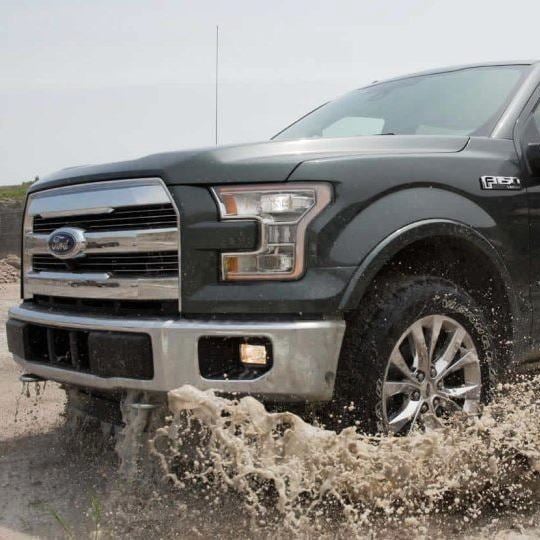
On his September 21 podcast, consumer advocate Clark Howard accused Ford (NYSE:F | F Price Prediction) and General Motors (NYSE:GM) of shrinking supply on purpose: “Ford and GM had both made a decision along with some of the European brands, that they would rather sell a lot less metal. They call it metal. A lot fewer cars for a lot more money than get market share.”
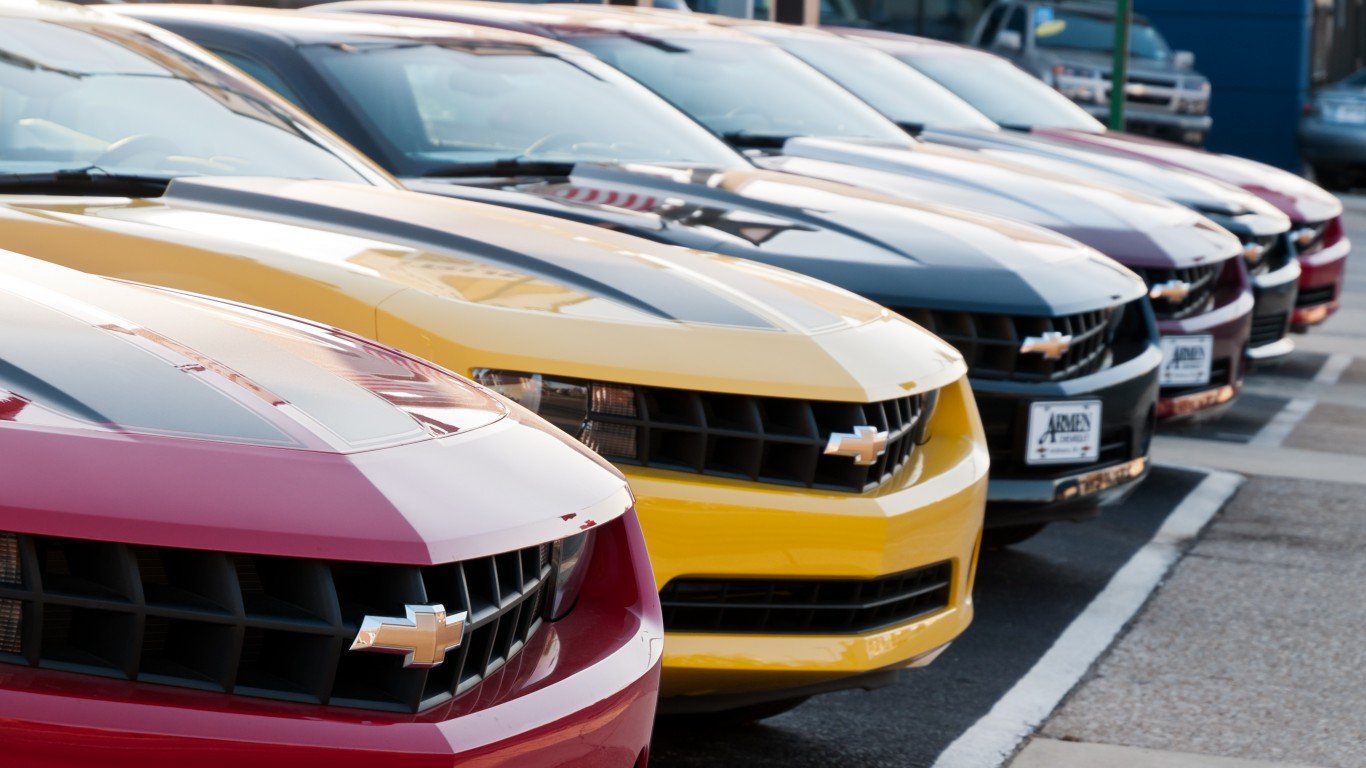
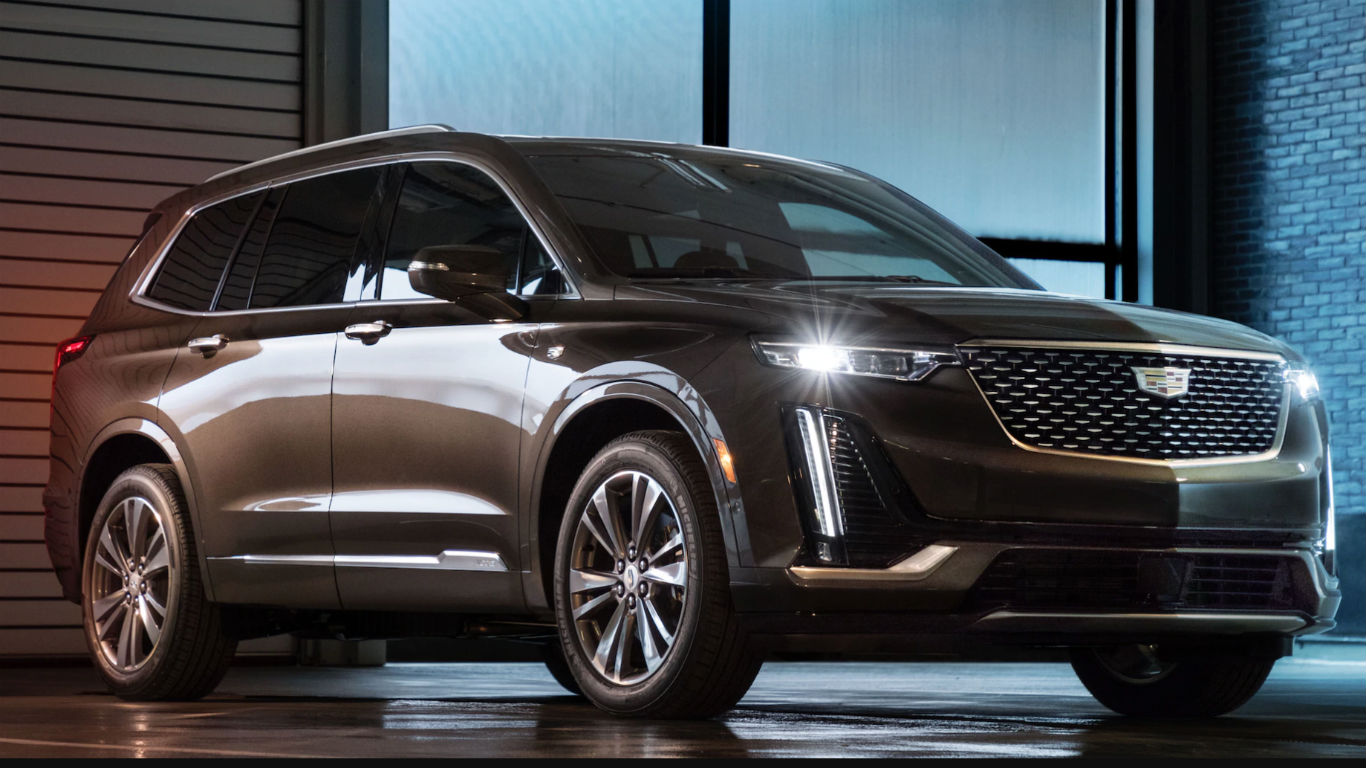
GM reported its sales ten days later. CNBC’s coverage of GM’s third-quarter sales put the decline at 5.5% year over year, with 670,974 vehicles delivered. GM also noted that the broader industry sales rate held firm in the upper 16 million range. In other words, GM is selling fewer vehicles in a healthy market, a combination that is not accidental.
This matters to anyone walking into a showroom. Howard said the average American-brand vehicle now sells for $50,000 or more, while Subaru and Honda (NYSE:HMC) average around $37,000. Counting on the market to hand you a discount will cost you.
GM’s Own Earnings Back Up Howard’s Charge
Howard’s argument has numbers behind it. In the first quarter of 2026, North American wholesale volume fell to 793,000 units from 827,000 in the prior-year period. Adjusted EBIT still rose 22% to $4.3 billion. Fewer trucks left the factory, and GM captured more profit on each one.
Management has described the strategy openly. On its earnings calls, GM has said its incentives run one and a half to two percentage points below the industry average, and that per-unit profit on full-size pickups has climbed more than 25% since 2020. Those are not the numbers of a company chasing share.

Part of the third-quarter volume drop has a separate explanation. EV sales collapsed across GM’s lineup: the Equinox EV fell 92%, the Blazer EV dropped 84%, and the Hummer EV was down 73%. GM attributed the decline to the EV tax credit that expired in September 2025, which pulled demand forward, plus discontinued models like the Chevrolet Malibu. Sales of gas-powered vehicles were roughly level with a year ago. Even accounting for those factors, pricing discipline remains stated policy, and GM said it added $600 million in first-half profit through that discipline alone.
Shareholders received the “more money” half of Howard’s equation. GM raised its quarterly dividend from $0.12 to $0.15 and then again to $0.18, a 50% increase from the base rate. Then on October 20, alongside its Q3 2026 financial results, GM announced a new $20 billion multiyear share repurchase program after completing a prior $6 billion buyback. Q3 revenue hit a record $50.0 billion, adjusted EBIT came in at $4.1 billion (up 22% year over year), and adjusted EPS reached $3.70, a 32% jump. The stock initially dropped nearly 7% on earnings day, however, as investors focused on GM maintaining its full-year profit outlook midpoints rather than raising them. Shares have since settled near $76, down roughly 8% from where they sat when Howard issued his warning.
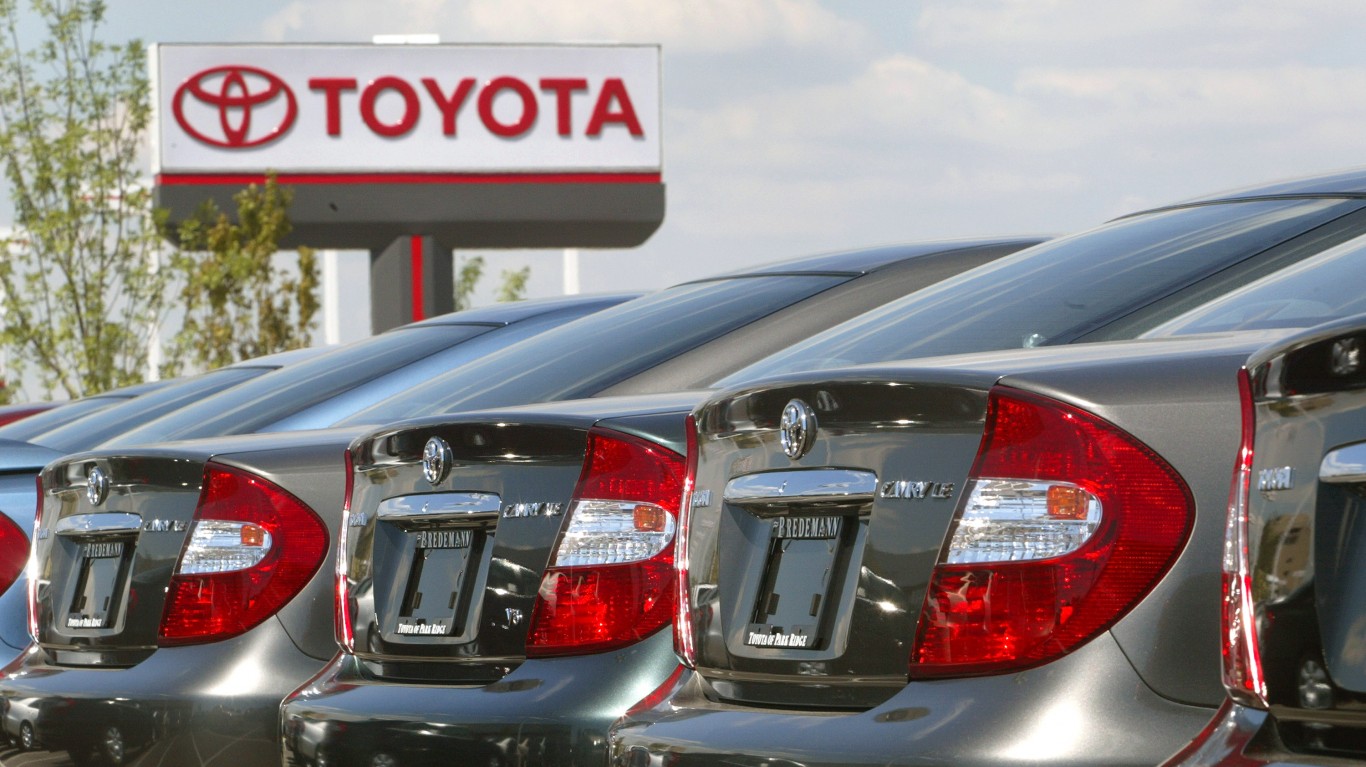
On the competitive front, Toyota continued to close the gap with GM in the U.S. market. Through the third quarter, the difference between the two automakers stood at fewer than 136,000 units, the narrowest margin in years.

How a $13,000 Sticker Gap Turns Into $15,000
The math starts simple and gets more expensive quickly. Compare a $50,000 domestic SUV with a $37,000 rival. The sticker gap is $13,000.
Finance both over 60 months at a sample 7% APR. The pricier vehicle runs about $990 a month; the cheaper one about $733. That $257 monthly difference is real money, but the total gap is bigger than it looks. Interest on the larger loan runs roughly $9,404 versus $6,959 on the smaller one. Over the full loan term, the real difference between those two vehicles comes to about $15,445, before any fees.
Incentives widen the gap further. Two percentage points of MSRP on a $50,000 vehicle equals $1,000 in discounts that a buyer would typically see from a brand competing on volume. GM’s stated policy is to offer below-average incentives, so that $1,000 reduction is one shoppers are unlikely to receive.
Your Loan Rate Decides How Much the Premium Hurts
The interest rate on your financing is the multiplier that determines how painful the price premium becomes. On that same $13,000 gap, a 1.9% loan keeps the total cost difference close to $13,638. A 10% loan pushes it to about $16,573.
Borrowers with strong credit roughly pay the sticker difference. Borrowers with weaker credit pay the premium plus thousands more in interest charges. The higher your rate, the more an automaker’s volume-limiting strategy costs you personally.
How to Shop When Automakers Limit Supply
- Compare across brands in the same category. Howard’s list includes Buick at around $36,000 and Kia at around $38,000. Price at least two competitors against any vehicle you are considering, and compare total loan cost rather than the monthly payment alone.
- Get a preapproved rate before you visit a dealer. Enter that rate into a loan calculator for each vehicle you are seriously considering. Seeing the total five-year cost side by side makes the true price gap clear before anyone in the showroom can blur it.
- Skip the end-of-model clearance plan for trucks. New Silverado and Sierra pickups arrive in December, but GM has said it has not seen the “typical heavy discounting at the end of the cycle.” Do not build your budget around a markdown that the manufacturer has told you is not coming.
- Negotiate the out-the-door price by email. Ask multiple dealers for a written total that includes all fees. Dealers who must compete in writing tend to compete on the one number that actually matters, and you avoid the showroom pressure tactics Howard has documented for years.
GM has decided to sell fewer vehicles at higher prices. The savings available to buyers come from comparing total costs, across brands and across loan terms, before signing anything.
Editor’s note: This article was updated to reflect GM’s October 20, 2026 Q3 earnings release, which showed record revenue of $50.0 billion, adjusted EBIT of $4.1 billion, adjusted EPS of $3.70, and a new $20 billion share repurchase authorization. The Q3 U.S. sales decline was corrected to 5.5% from the rounded figure of 6%, and the share price was updated to reflect the post-earnings drop to approximately $76.
Contact [email protected] for any questions or corrections.
Jake has been been working in financial media for almost 15 years. He focuses on all things personal finance for 24/7 Wall St. with high hopes to educate and entertain. Most recently, Jake spent 12 years working various roles at The Motley Fool. He started copy editing fool.com content, worked on premium and marketing campaigns, and helped launch The Ascent, a personal finance brand.
His work has been featured on platforms like MSN, Yahoo Finance, USA Today, and more. He's written about credit cards, social security, ETFs, savings accounts, and just about anything else you can imagine when thinking about money. Jake love to cook, play golf, and tell people he's never had a cavity. (It's true!)