For The First Time In NYC History, Landlords Can’t Raise Rent On Two-Year Leases, As Mamdani’s Rent Freeze Hits 1 Million Apartments
Mayor Mamdani just made a promise to a million NYC households, and landlords are already in court trying to stop it from sticking.

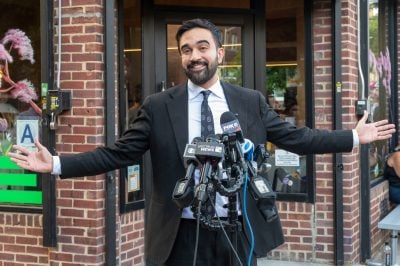
New York City’s rent freeze is now in effect. It applies only to rent-stabilized apartments, about 1 million units. The 1 year freeze runs between October 1, 2026 through September 30, 2027, according to ABC7 Eyewitness News. Market-rate apartments are not included.
For leases in that window, the allowed increase is 0% on both one-year and two-year leases, and this is the Rent Guidelines Board’s first freeze ever on two-year leases. The board has frozen one-year leases three times before. The freeze sets the rent for leases signed in the window, not for two years. ABC7 Eyewitness News reported that the freeze took effect October 1, and Crain’s New York called it “historic” as a landlords’ lawsuit loomed.
How a Campaign Promise Became a Board Vote
The Rent Guidelines Board voted for it 7-1 on June 25, 2026. Mayor Zohran Mamdani had named six of the nine members in February, and the freeze was his central campaign promise. He called the result a “historic victory” for tenants. The lone dissenting vote came from Arpit Gupta, a public member reappointed by former Mayor Adams.
What Covered Tenants Actually Get
The freeze covers buildings with 6 or more units built before 1974, plus buildings that receive certain tax breaks or subsidies. A 0% adjustment means a tenant renews at the current rent for either lease term.
Rent Stabilization in Plain Terms
In a rent-stabilized apartment, a city board sets the maximum yearly increase. Stabilized units make up 40% of the city’s rental housing and are home to about 2 million tenants.
Landlords Call the Process Theater
Christina Smyth, a pro-landlord board member, resigned hours before the vote. She said the result was decided the previous year on the campaign trail and that everything since had been “theater.”
The Real Estate Board of New York warned of less spending on maintenance and faster deterioration of the housing stock. The group’s president weighed in. He said the board made a “terrible decision.” The Small Property Owners of New York called it an “absolute farce.” Reason cited Gupta warning that holding prices flat while costs rise leads to “public bailouts and takeovers.”
Board Data Both Sides Cite
Net operating income at stabilized buildings rose 6.2% from 2023 to 2024, or about 2.2% adjusted for inflation. Income rose 10% in Manhattan’s core and fell 0.1% in the Bronx. About 9.2% of stabilized buildings operate with negative net operating income. The board chair’s statement put the cost-to-income ratio at 63.6%.
On the tenant side, the chair raised concerns. The statement said over half of renter households are rent-burdened and nearly 30% spend half or more of their income on rent. It put the citywide vacancy rate at 1.41% and the stabilized vacancy rate at 0.98%. Landlord groups say the board’s income study is out of date and oversimplified.
Lawsuit Still Developing
Landlords have sued over the freeze. Yahoo reported that a judge kept the freeze in place and ordered Mamdani and board members to turn over their phones. Gothamist reported on the freeze challenge. The lawyer challenging it released emails and text messages from Mamdani officials, on the day the freeze took effect. The case is ongoing, and for now the freeze stands.
For leases starting in this window, renewal rents in stabilized apartments are set at 0%, and the legal fight over how that decision was made will go on while those leases run.
Contact [email protected] for any questions or corrections.
AJ spent 10 years writing about financial markets at The Motley Fool. His coverage centers on technology stocks and the broader macroeconomic trends, from interest rates to geopolitics, that shape where markets are headed next. AJ is drawn to the stories where big-picture economics and individual companies collide.