In 1966, His Wife Convinced Him To Invest About $67,000 With A Man They Played Bridge With. The Bridge Player’s Name Was Warren Buffett. By The Mid-1990s, The Couple’s Investment Was Worth More Than $25 Million
A rabbi in 1960s Omaha lived on a modest congregational salary, played bridge with a neighbor a few blocks away, and spent two or three years resisting his wife's quiet, persistent advice before he finally worked up the nerve to…


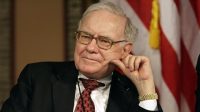
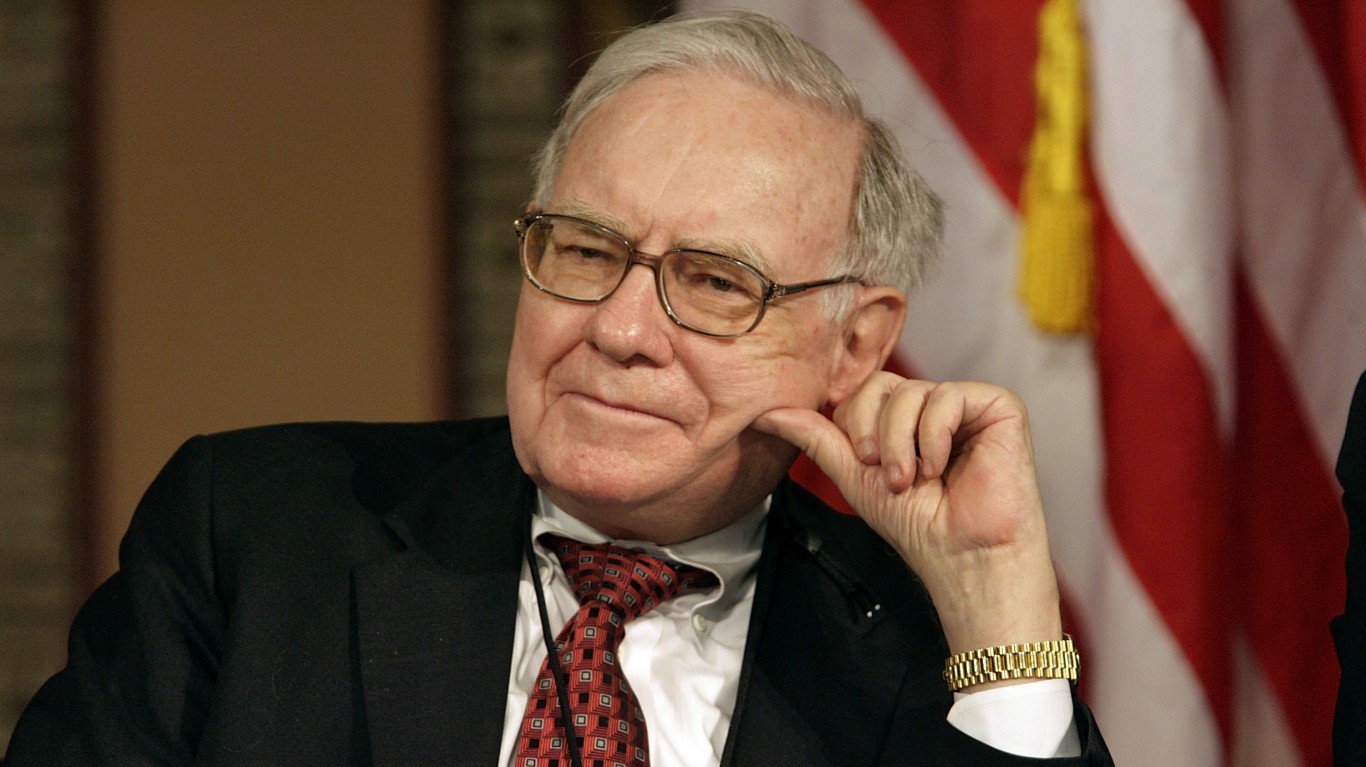
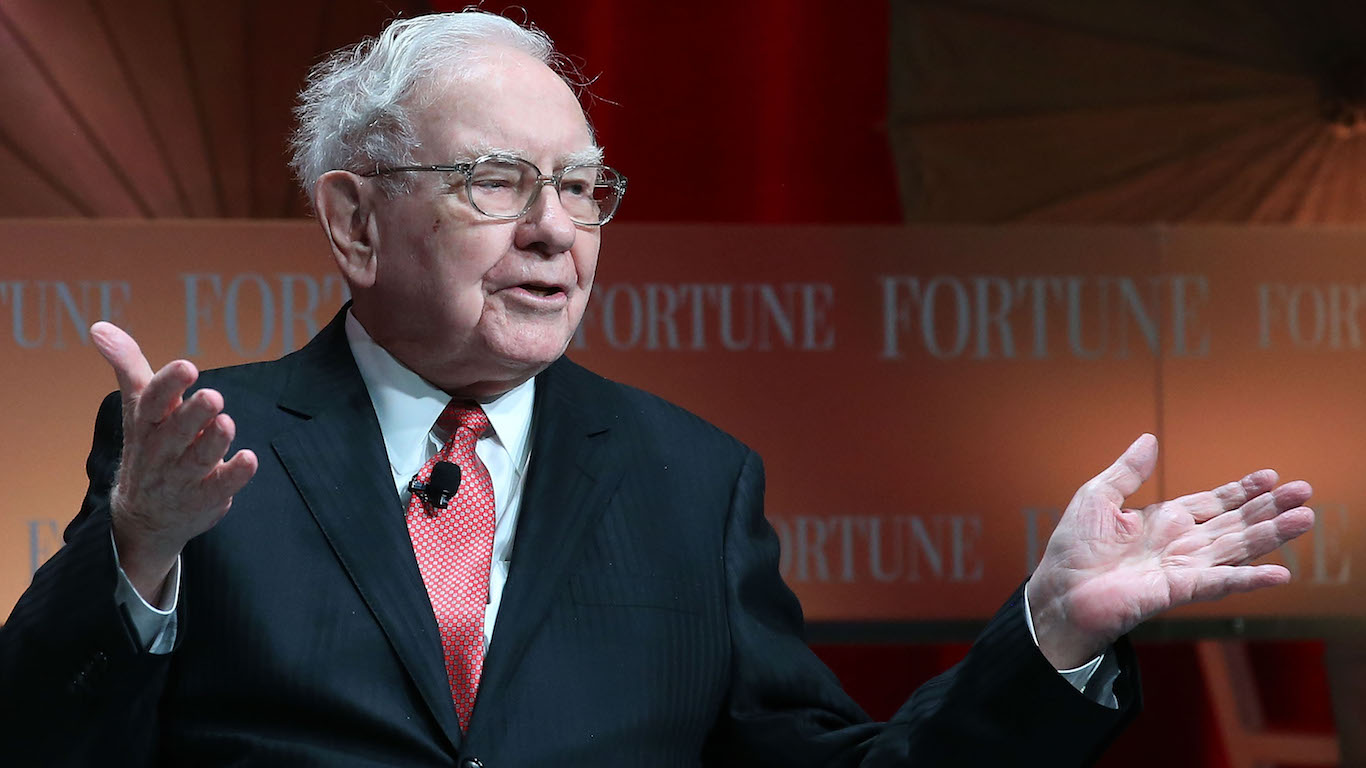
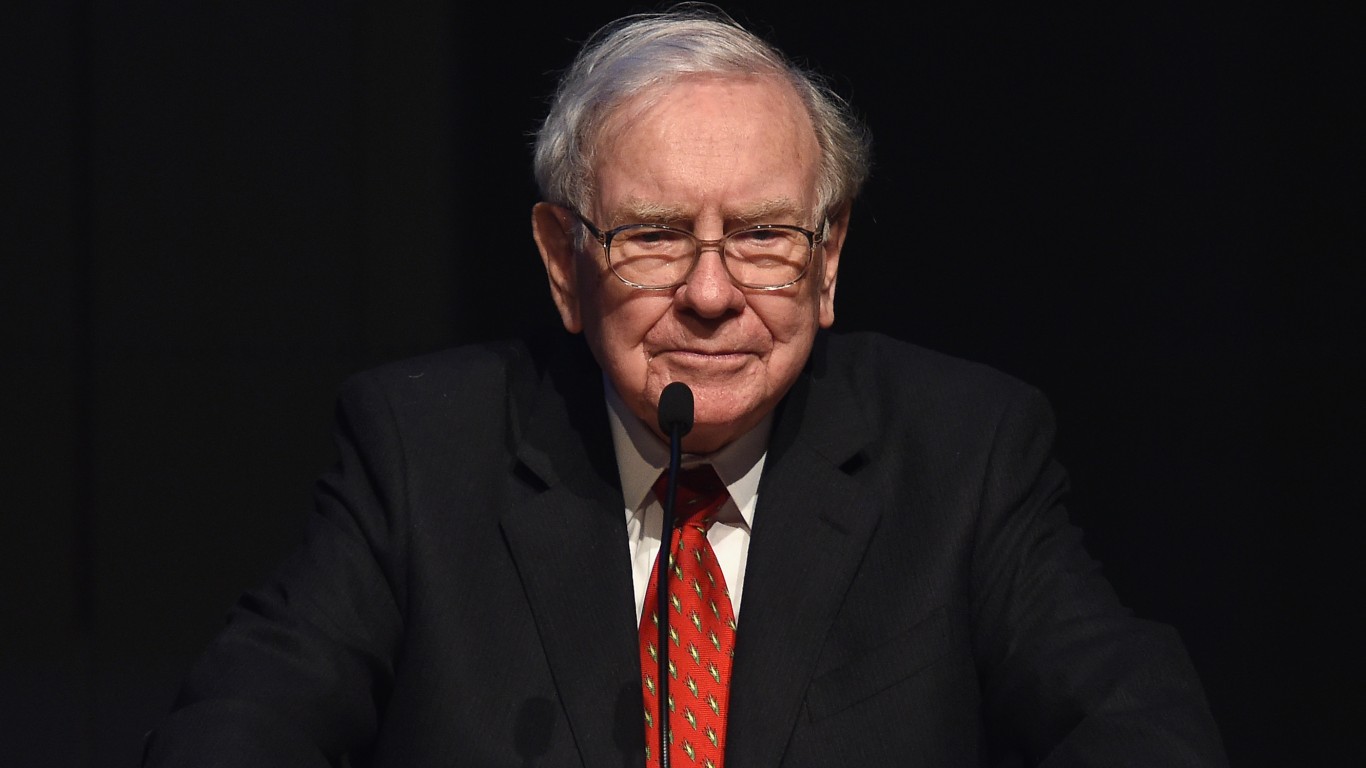
In 1960s Omaha, Rabbi Myer Kripke and his wife, Dorothy, lived on a congregational rabbi’s pay. They had about $67,000 from an inheritance plus their own savings, according to Douglas Martin’s New York Times obituary of the rabbi. They also had a friend from the bridge table who lived a few blocks away. His name was Warren Buffett.
A Rabbi’s Pay and a Children’s Author
Myer Kripke was born January 21, 1914, in Toledo, Ohio, and ordained in 1937. That year he married Dorothy Karp beneath the Jewish Theological Seminary’s tower, and the chancellor waived the fee because they were short of cash. She went on to write children’s books, including the “Let’s Talk About” series and “Let’s Talk About God.”
After posts in Racine, Wisconsin, Patchogue, New York and New London, Connecticut, he took over Beth El Synagogue in Omaha at a starting salary of $7,500, serving from 1946 to 1975. Per the obituary, he never earned more than $30,000 a year there and never bought real estate.
Bridge, Rotary and Kosher Tuna Salad
By the rabbi’s account in a 2011 oral history, Susan Buffett called asking for Dorothy to discuss “Let’s Talk About God.” The women became friends, and Susan drove Dorothy to appointments. The men shared a Rotary Club and the Happy Hollow neighborhood. The couples played bridge, and at the Buffetts’ Thanksgiving a hired cook made kosher tuna salad for the Kripkes. Buffett later attended the rabbi’s 90th birthday party. “It made me very important,” the rabbi told the Times.
Two or Three Years of Coaxing
Per the obituary, Buffett was then taking money only in chunks of $150,000 to $200,000. “He doesn’t want the kind of money we have,” the rabbi remembered to the Times. Dorothy’s advice: “Myer, invest the money with your friend Warren.” She kept at it for two or three years before he asked, shyly.
Buffett agreed without hesitation. “I liked Myer,” he told the Times, explaining that he wanted people “who, if it went bad, we could still be friends.” The obituary places the investment in 1966, the same year a fire destroyed the seminary tower where the couple had married.
Rich on Paper, Unchanged in Practice
By the mid-1990s, the money Buffett managed was worth more than $25 million, per the obituary. “It mushroomed like an atomic bomb,” the rabbi told The Philadelphia Inquirer in 1997.
They stayed in a three-bedroom rented apartment in Omaha at $900 a month. When Dorothy asked whether he wanted a better car, he answered, “There’s nothing wrong with a Chevrolet.”
They gave most of it away. Thirty years after the fire, they gave the seminary $7 million toward the tower’s $11 million restoration, and the tower was renamed for them. They pledged another $8 million to be paid after their deaths, and gave nearly $1 million to the Reconstructionist Rabbinical College in Wyncote, Pennsylvania, in honor of Rabbi Mordecai Kaplan.
Dorothy died in 2000. The rabbi died in Omaha on April 11, 2014, at 100. Their son, Saul Kripke, is a Princeton philosopher. Their daughter, Madeline, collected about 20,000 dictionaries.
One Decision, Left Alone
The Kripkes made a single choice and then did the hard part: they left it alone. Compounding works best when nobody interrupts it, and a couple content with a Chevrolet and a rented apartment had little reason to interrupt it. Most of us will never get a bridge-table invitation from Warren Buffett, but you can still borrow his homework (we pulled the seven cheapest dividend payers in Berkshire’s portfolio into a free report here).
The rabbi credited fortune. “It was chance, just chance,” he said, as Doug Kass recounted in TheStreet. Dorothy’s two or three years of coaxing suggest that chance had some help.
Contact [email protected] for any questions or corrections.
AJ spent 10 years writing about financial markets at The Motley Fool. His coverage centers on technology stocks and the broader macroeconomic trends, from interest rates to geopolitics, that shape where markets are headed next. AJ is drawn to the stories where big-picture economics and individual companies collide.