Elon Musk Backs a $1.5 Trillion Self-Driving Claim. Could Insurance Dividends Be at Risk?
Elon Musk just called a $1.5 trillion crash-cost reduction claim credible, and auto insurers have no idea the market has not priced in what that means for the dividends retirees depend on.

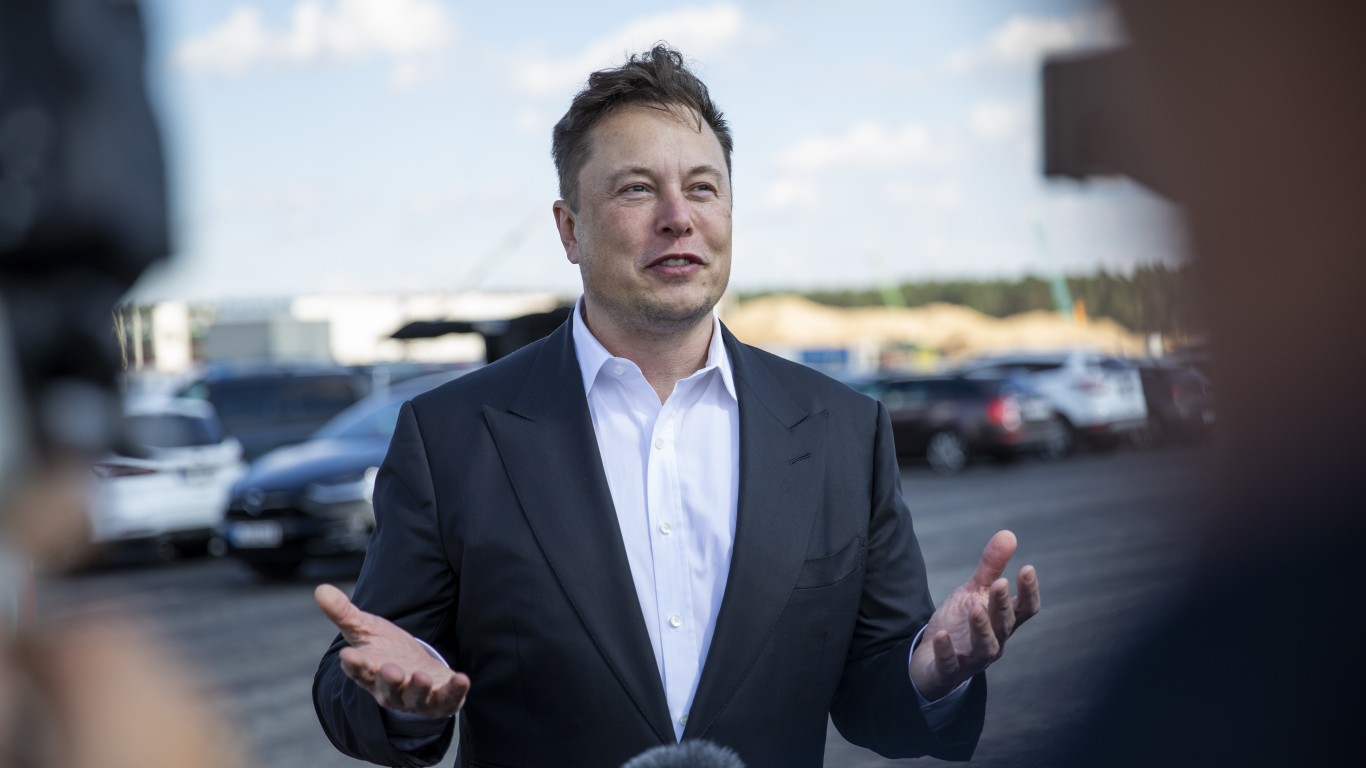
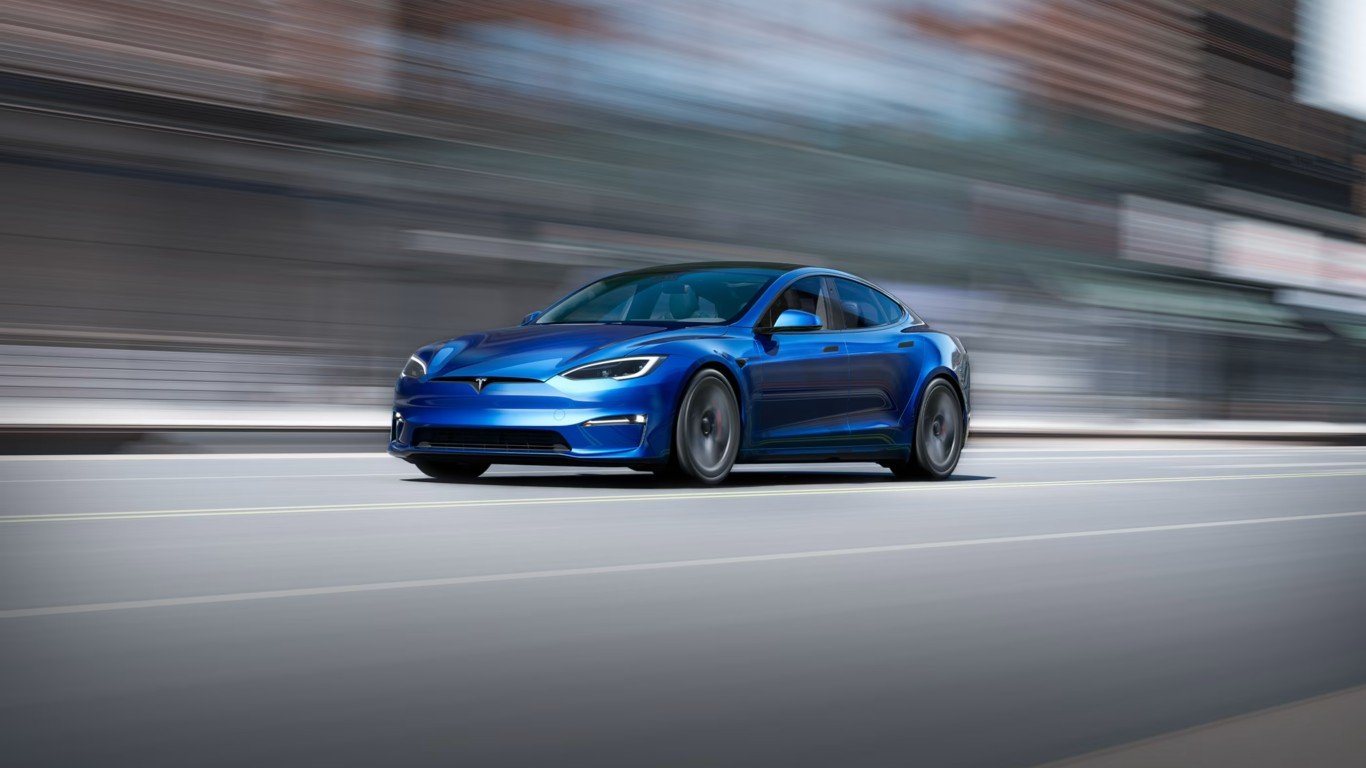
Elon Musk weighed in on a question that matters to anyone who owns insurance stocks for income. On X, @CoFoundersNik posted that FSD “could literally free up OVER $1.5 trillion/yr” by reducing fatal and serious crashes. Musk replied with one word: “True.”
Auto insurers make their money from crash costs. If serious crashes fall, claims shrink. Premiums follow them down over time, which leaves insurers less float to invest and less surplus to pay out. Retirement-income investors should ask which dividends lean heaviest on that premium pool.
Crash Frequency Is Already Falling at America’s Biggest Auto Writer
Progressive (NYSE:PGR | PGR Price Prediction) said at its second-quarter investor event that auto claim frequency fell about 2.5% in the quarter. Vehicle miles traveled dropped roughly 4% over the same period. Nobody at the event discussed autonomous driving. Progressive has also cut new-business auto rates this year in 30 states representing 63% of premium. Expect this pattern in a self-driving world: fewer crashes, and the savings passed on to drivers through lower rates.
Investors are not pricing in disruption yet. Year to date, Travelers (NYSE:TRV) is up 38.55%, and Allstate (NYSE:ALL) is up 23.95%.
Dividend Safety, Insurer by Insurer
Progressive
The regular dividend of $0.10 a quarter costs Progressive very little and looks safe. Most of the income comes from the variable payout, which was $13.60 per share in January 2026, up from $4.60 a year earlier. That payout rises and falls with auto underwriting profit. In the third quarter, Direct Vehicles brought in $10.29 billion of revenue, and Agency Vehicles brought in $7.51 billion, according to its SEC earnings release. Of the five, Progressive has the most exposure.
Allstate
Allstate raised its quarterly dividend to $1.08 from $1, and holding-company available capital stands at $9.5 billion. Auto is its largest line, generating $9.64 billion in quarterly revenue, with an 83.3% combined ratio. Its Arity unit holds more than 2 trillion miles of driving data, which could help it price risk once cars are partly automated.
Travelers
The dividend rose to $1.25 from $1.10. Travelers is already shrinking its auto book: personal auto policies fell 9.2% to 2.769 million. Personal auto revenue of $1.89 billion is small next to $5.87 billion from Business Insurance.
Hartford Insurance Group
Hartford Insurance Group (NYSE:HIG) raised its dividend 12% to $0.67. Its annual increases have averaged approximately 11% over the past decade. Personal auto revenue fell 8% to $582 million, while Business Insurance brought in $4.26 billion.
Cincinnati Financial
Cincinnati Financial (NASDAQ:CINF) has raised its dividend for 66 consecutive years, putting it in the rare Dividend Kings club (we ranked ten of them by valuation in a free report). The current payout is $0.94, up 8%. About 60% of its personal lines business is high-net-worth, and the parent company holds $6.1 billion in cash and marketable securities.
Why Self-Driving Would Hit Insurers Slowly
Americans keep their cars for many years, so self-driving cars would take a long time to replace the existing fleet. Liability would shift to manufacturers and fleet operators, who would need commercial and product liability coverage, which Travelers and Hartford already write. Cars loaded with sensors also cost more to repair, so the cost of each claim could rise even as the number of claims falls.
Verdict and One Thing to Watch
Every regular dividend here looks safe for years to come. Progressive’s variable payout would feel any change first. Cincinnati Financial, Travelers, and Hartford have spread their earnings well beyond personal auto. On Progressive’s November 3 call, check whether frequency keeps falling while rates are being cut. Lower frequency combined with lower prices is the earliest sign of the trend @CoFoundersNik described.
Contact [email protected] for any questions or corrections.
Chris Lange is a financial and geopolitical writer with more than a decade of experience covering a myriad of topics. He has published thousands of articles for 24/7 Wall St., with past coverage focused heavily on stocks, IPOs, healthcare, defense, global affairs, and technology.
His work has been quoted, or referenced by a number of outlets including Business Insider, USA Today, Yahoo Finance, MSN, The Motley Fool, and many other publications. A graduate of Southwestern University, he studied business with a focus on investments and has previous experience in banking and startups.
When not reading or writing the news, he is following his passion for Lacrosse, playing chess, or building solar projects with his dad.