Tomorrow’s Midterm Elections Could Change Washington — but They Won’t Change America’s Affordability Crisis
Whoever wins on Tuesday, gas will still cost what it costs on Wednesday. Before you read a single victory speech, understand which forces actually set the prices in your grocery cart, mortgage statement, and Medicare bill.

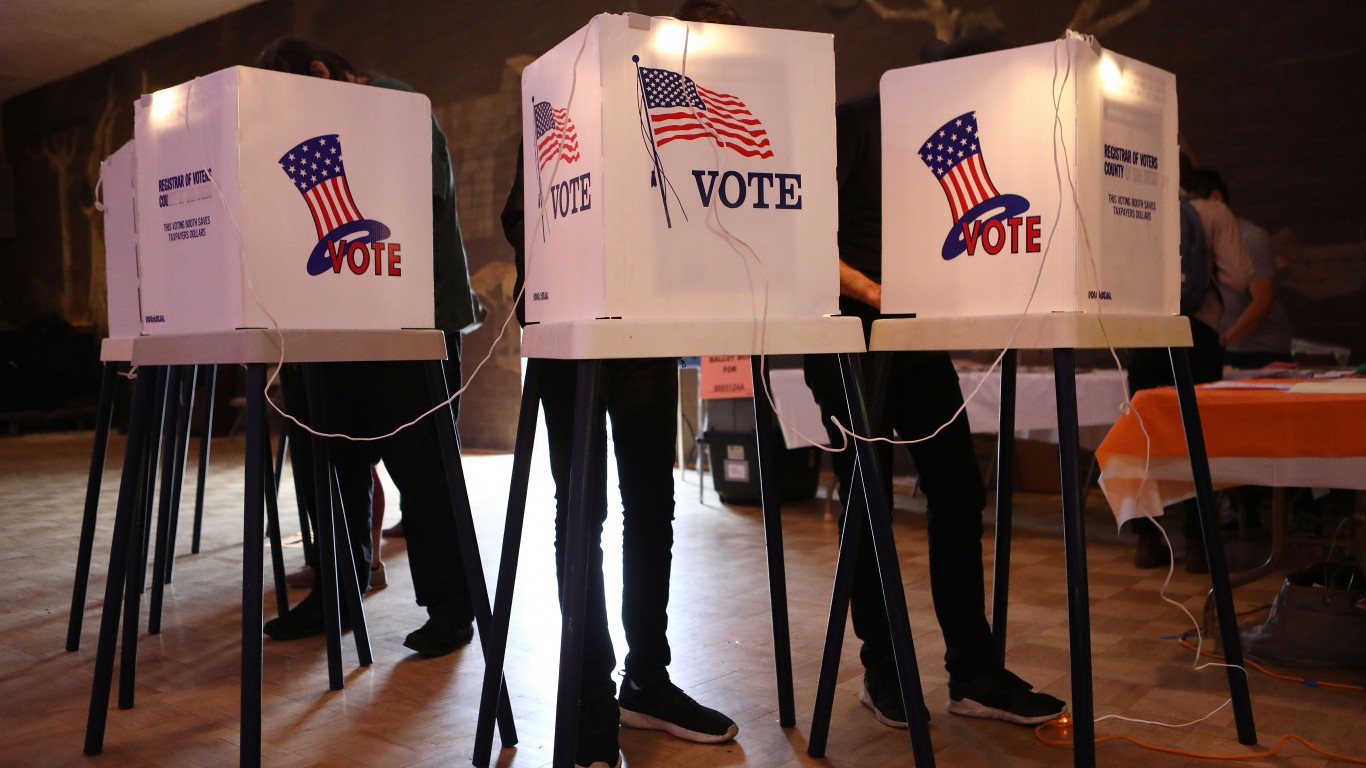
Whoever controls Congress after Tuesday, one thing is certain. Families will wake up Wednesday to the same grocery bills, rent checks, insurance renewals and card statements they faced on Monday. Regular gas averaged $4.27 a gallon in the week ended October 26 and has stayed above $4.00 since late April. Consumer prices rose 0.6% in September alone. The University of Michigan’s consumer sentiment index stands at 48.1, deep in recessionary territory.
An election can shift expectations overnight. Purchasing power only moves after a policy is written, passed, and put into effect — and after businesses adjust to it. These forces sit outside a new Congress’s immediate reach. The ones squeezing households hardest — the war with Iran, executive tariffs and a cautious Federal Reserve –are largely beyond its control.
Slower Inflation Won’t Refund What Families Already Paid
Inflation measures how fast prices rise. Cooling it slows the climb and rarely reverses it, and affordability improves when paychecks outrun bills, when specific costs fall, or when households receive meaningful relief. A better inflation headline on its own does none of that.
Oil and Tariffs Answer to Forces Beyond the Ballot
West Texas Intermediate crude closed at $103.37 a barrel on October 27, up 21.3% in a month and far above last December’s $55.44 low. The US-Iran war has disrupted tanker traffic and driven fuel costs higher. Those supply shocks will still be there after the polls close, and energy also feeds into freight, manufacturing and delivery, so cheaper crude would take months to reach every shelf.
Tariffs follow similar logic. The White House has run trade policy through executive action. Congress can pass rollbacks, but it would likely need to override a veto, and importers would then need time to reprice their inventory.
Borrowing Costs Get Set Across Town From the Capitol
Mortgage and credit card rates answer to the Fed and bond markets. Kevin Warsh’s Fed held its benchmark rate steady on October 28 despite stubborn inflation, and traders are positioning for a December hike. Bond yields, lender risk assessments and inflation expectations shape the rest. Credit card delinquencies have eased to 2.85%, but expensive credit keeps draining budgets even as inflation cools.
Washington does have tools. Tax changes, healthcare subsidies, and targeted aid can put money in pockets within months. Measures that expand housing and energy supply take years. Every borrowed dollar of relief adds to a federal interest bill that is already a major obligation, unless lawmakers offset it elsewhere. Deficits can push rates higher when the economy runs hot.
Seniors Show Why a Raise Isn’t Breathing Room
The 2.8% cost-of-living adjustment (COLA) for 2026 lifted the average retired worker’s monthly benefit from $2,015 to $2,071, a gain of $56. The standard Medicare Part B premium for the same year rose $17.90 to $202.90. That eats about 32% of the raise before a single grocery or utility bill. The 3.6% COLA for 2027 runs into the same squeeze once next year’s premium is set.
What to Watch Once the Votes Are Counted
Three signals will show whether relief is real. First, whether the new Congress moves a tariff bill with enough votes to survive a veto. Second, whether relief proposals come with offsets or new borrowing. Third, whether the Fed hikes in December, which would make credit more expensive just as new lawmakers take office.
For seniors, the next signal is the 2027 Part B premium announcement from the Centers for Medicare & Medicaid Services. For everyone else, it’s whether gas drops back below $4.00. The election decides who writes the laws. Oil, the Fed, and the White House will still have more say over what families pay.
Contact [email protected] for any questions or corrections.
After two decades of patrolling the dark corners of suburbia as a police officer, Rich Duprey hung up his badge and gun to begin writing full time about stocks and investing. For the past 20 years, he’s been cruising the markets looking for companies to lock up as long-term holdings in a portfolio while writing extensively on the broad sectors of consumer goods, technology, and industrials. Because his experience isn’t from the typical financial analyst track, Rich is able to break down complex topics into understandable and useful action points for the average investor. His writings have appeared on The Motley Fool, InvestorPlace, Yahoo! Finance, Money Morning, and, of course, 24/7 Wall St. He has been featured in both U.S. and international publications, including MarketWatch, Financial Times, Forbes, Fast Company, and USA Today.