President Trump Plans to Reduce Tariffs on Cheap Beef Imports. Is He Treating the Symptom, Not the Disease?
The stock market keeps acting like the economy is on solid footing. The S&P 500 is near record highs, unemployment remains low, and recession odds for 2026 have eased compared to the panic investors felt earlier this year. Yet consumers…

The stock market keeps acting like the economy is on solid footing. The S&P 500 is near record highs, unemployment remains low, and recession odds for 2026 have eased compared to the panic investors felt earlier this year.
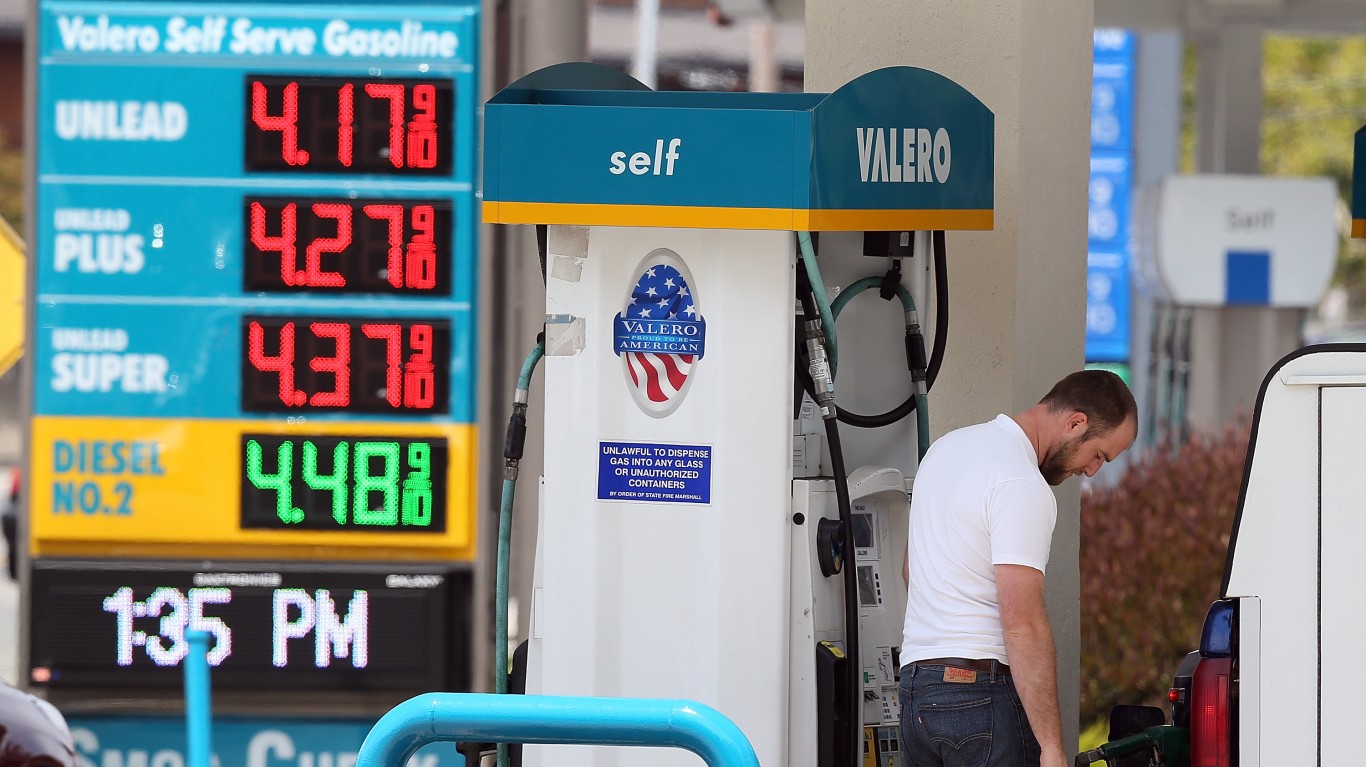
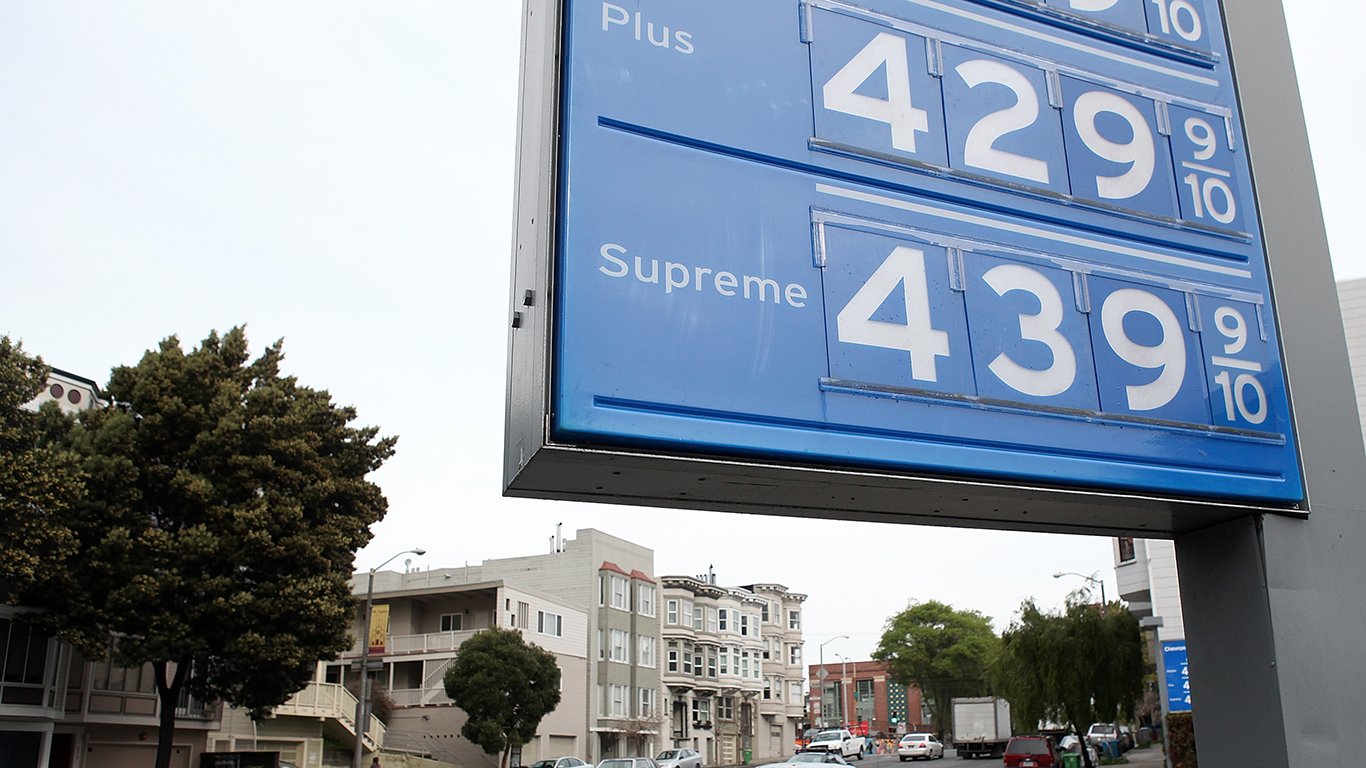
Yet consumers are telling a very different story every time they walk into a grocery store. Beef prices are hitting records. Gasoline prices remain elevated. Insurance, utilities, and housing costs continue climbing.
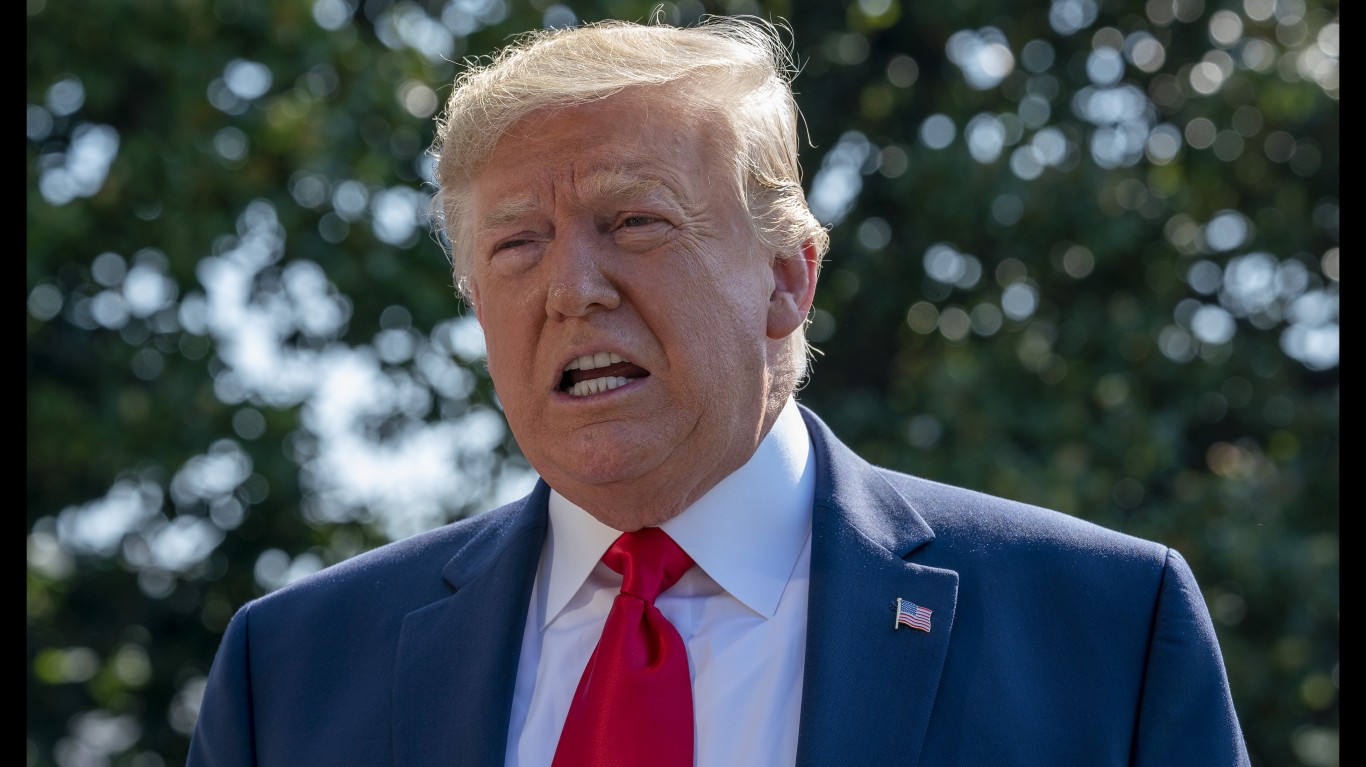
So when reports surfaced in The Wall Street Journal that President Trump is considering lowering tariffs on imported beef to ease food inflation, the real question became obvious: Will cheaper imported beef actually solve the problem — or just paper over it?
Beef Prices Are Surging for Reasons Bigger Than Tariffs
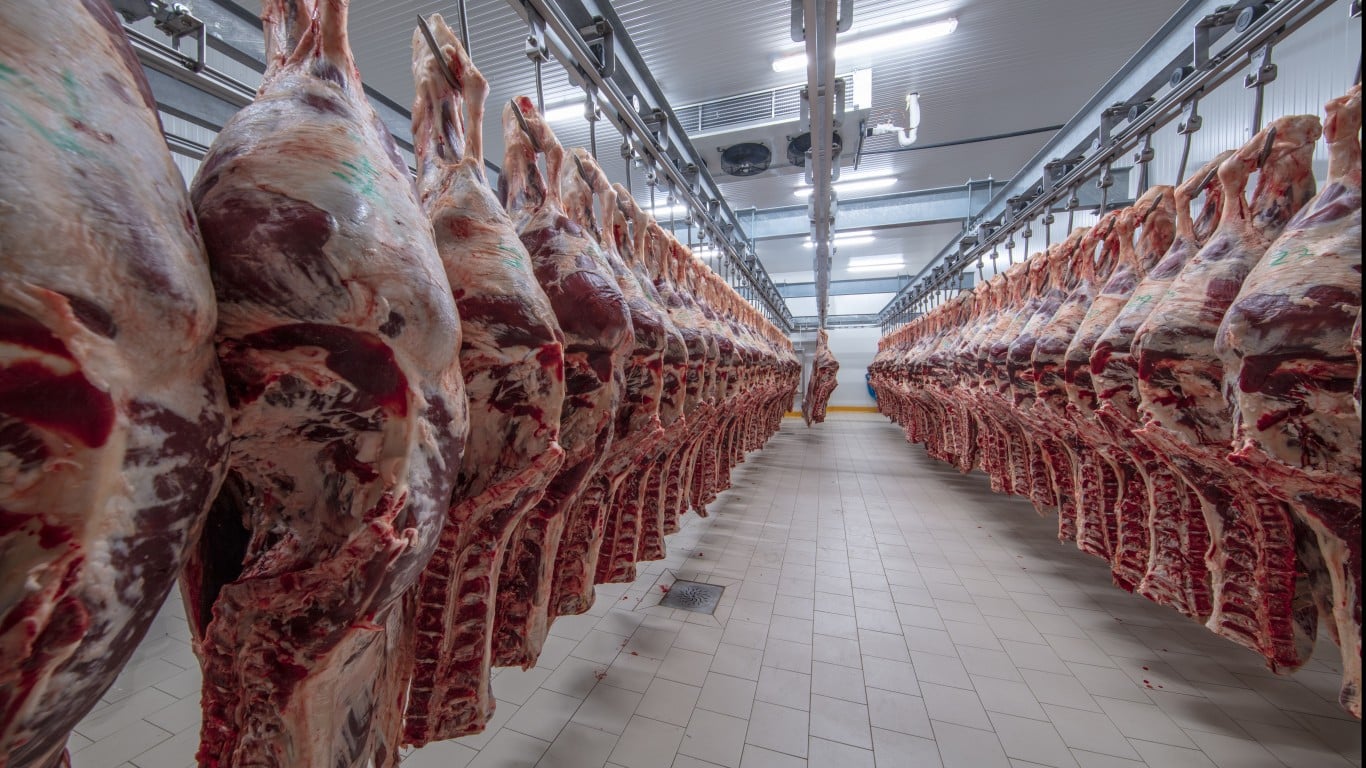
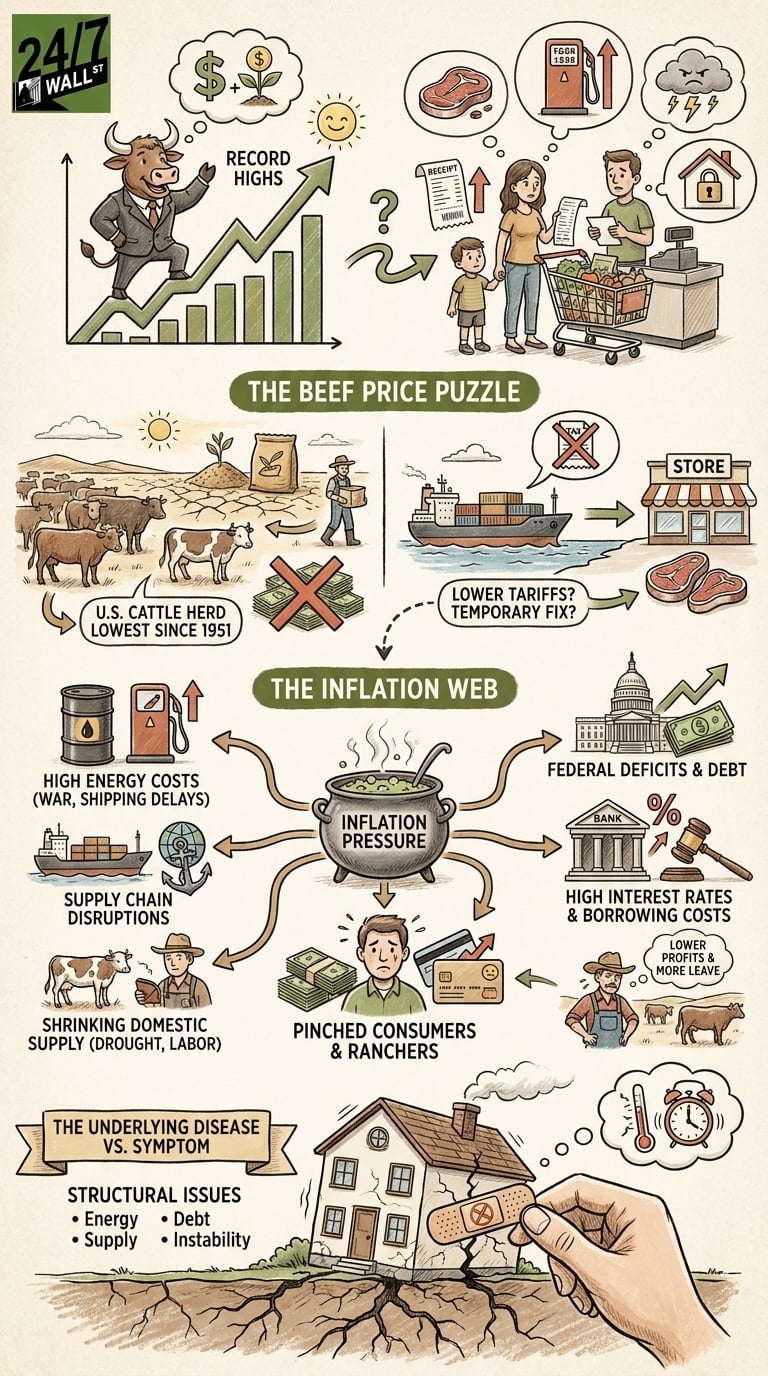
According to the Agriculture Dept., U.S. cattle herds fell to 86.2 million head as of Jan. 1 — the lowest level since 1951. That is not a small decline investors can shrug off. It is the result of years of drought conditions, rising feed costs, labor shortages, and ranchers exiting the business because margins became too thin. Essentially, America simply does not have enough cattle.
Reducing tariffs on imported beef may help cool prices temporarily by increasing supply. In theory, that sounds reasonable. More supply generally lowers prices. But tariffs are only one piece of a much larger inflation puzzle.
Energy prices may be the bigger issue. The Iran war has disrupted shipping routes and pushed crude oil prices sharply higher. Tankers navigating the Strait of Hormuz face both higher insurance costs and logistical delays. Roughly 20% of the world’s oil supply normally moves through that corridor. When transportation costs rise, nearly everything becomes more expensive — especially food.
Let’s look at how inflation pressure builds:
| Inflation Driver | Impact on Consumer Prices |
| Higher oil prices | Raises trucking, shipping, and farming costs |
| Supply chain disruptions | Delays imports and raises wholesale prices |
| Smaller cattle herd | Reduces domestic beef supply |
| Labor shortages | Increases processing and distribution costs |
| Tariffs | Raises import costs on foreign goods |
Lowering beef tariffs only addresses one row in that table.
Granted, tariffs do contribute to higher prices. But even if imported beef becomes cheaper, ranchers still face elevated fuel costs, expensive feed, and rising borrowing costs tied to higher interest rates.
The Risk Is Hurting American Ranchers to Lower Prices Briefly
There is another consequence investors should pay attention to: cheaper imports could pressure already struggling U.S. cattle ranchers.
American ranchers are operating with the smallest herd in 75 years. Flooding the market with lower-cost imports might reduce grocery prices for consumers in the short term, but it could also reduce profitability for domestic producers who are already under strain.
That creates a dangerous cycle. If ranchers scale back further because imported beef undercuts pricing, domestic supply could shrink even more over the next several years. Ironically, that may create even higher beef prices later.
Surprisingly, this mirrors the same debate surrounding Trump’s proposal to suspend the $0.184 cent federal gasoline tax. Consumers would feel immediate relief at the pump, but the policy does little to address why fuel prices rose in the first place.
In both cases, the administration is targeting symptoms:
- High beef prices
- High gasoline prices
But the underlying disease remains:
- Elevated energy costs
- Geopolitical instability
- Weak domestic supply growth
- Persistent federal deficits
- High interest rates
Temporary relief measures only go so far when structural inflation pressures remain intact.
Pinched Consumers Are Looking for Relief
The Federal Reserve’s own inflation fight has shown how stubborn price increases become once they spread throughout the economy. Food inflation rarely exists in isolation.
Meanwhile, financial markets still appear relatively calm. CME FedWatch data and Treasury markets imply recession odds for 2026 remain muted. Betting markets echo that sentiment. That said, yield curve signals and slowing consumer spending trends suggest investors are increasingly worried about 2027.
Consumers are already stretched. Credit card balances are above $1.4 trillion, according to Federal Reserve data. Delinquency rates are climbing. Consumer sentiment readings remain historically weak even as equity markets rise.
Wall Street can celebrate record exports helped in part by Trump’s tariff negotiations, but Main Street still cares most about grocery bills, rent, and fuel costs.
Key Takeaway
In short, lowering tariffs on imported beef may provide modest short-term relief at the supermarket, but it does not solve the deeper inflation problem squeezing consumers.
America’s shrinking cattle herd, elevated energy prices, supply chain disruptions, and geopolitical instability are the bigger forces driving costs higher. Treating one symptom while ignoring the broader disease risks creating even larger problems down the road — especially for U.S. ranchers already facing the smallest herd sizes since Harry Truman was president.
For investors, the takeaway is clear: recession fears for 2026 may have faded, but the economic cracks are widening beneath the surface. Putting a band-aid on the problem doesn’t solve it.
Contact [email protected] for any questions or corrections.
After two decades of patrolling the dark corners of suburbia as a police officer, Rich Duprey hung up his badge and gun to begin writing full time about stocks and investing. For the past 20 years, he’s been cruising the markets looking for companies to lock up as long-term holdings in a portfolio while writing extensively on the broad sectors of consumer goods, technology, and industrials. Because his experience isn’t from the typical financial analyst track, Rich is able to break down complex topics into understandable and useful action points for the average investor. His writings have appeared on The Motley Fool, InvestorPlace, Yahoo! Finance, Money Morning, and, of course, 24/7 Wall St. He has been featured in both U.S. and international publications, including MarketWatch, Financial Times, Forbes, Fast Company, and USA Today.