Warren Buffett Sold More Than Half His Bank of America Stock. Monday Could Reveal Another Big Move

This post may contain links from our sponsors and affiliates, and Flywheel Publishing may receive compensation for actions taken through them.
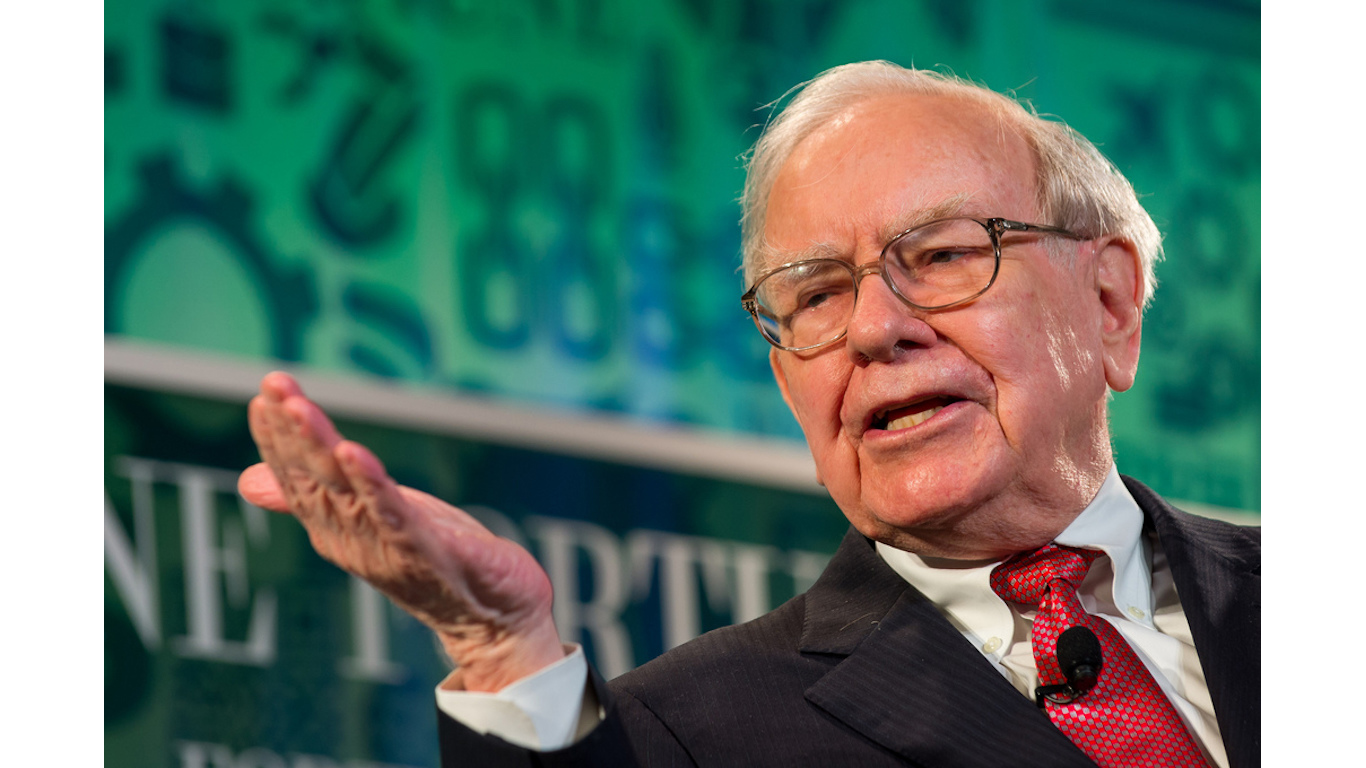
Warren Buffett spent more than a decade turning Bank of America (NYSE:BAC | BAC Price Prediction) into one of the signature holdings of Berkshire Hathaway (NYSE:BRK-A). For more than two years, Berkshire has been unwinding it. Berkshire’s third-quarter Form 13F is due at the SEC on Monday, November 16, 2026, and it will show whether the selling streak reached a ninth consecutive quarter.
The interest is substantial. Berkshire held 483,394,015 shares of Bank of America as of June 30, 2026. At Friday’s close of $51.02, that interest is worth about $24.7 billion, and it remains Berkshire’s fifth-largest equity holding.
From a Bathtub Idea to a 53% Cut
The position started during the 2011 banking scare. Buffett has said the idea for the deal came to him while sitting in his bathtub. Berkshire put $5 billion into Bank of America preferred stock that paid 6%. Berkshire later exercised the warrants that came with the deal to buy 700 million common shares at $7.14 apiece. It kept buying after that, and by June 30, 2024, it owned just over 1 billion shares.
The selling started after that. By June 30, 2026, the interest was down to 483.4 million shares, a 53.2% cut. Berkshire sold 30.2 million shares in the second quarter alone. The 53.2% figure leaves out any third-quarter activity, and Berkshire still holds a large position.
Berkshire’s Q3 10-Q Hints at More Selling
Berkshire’s third-quarter 10-Q reported a $372 million drop in the cost basis of investments classified as banks, insurance, and finance. It also reported $2.2 billion in pretax gains from selling stocks. The report doesn’t say which companies were sold.
Based on those disclosures, Barron’s estimated that Berkshire may have sold another 30 million to 40 million Bank of America shares in the quarter. The estimate rests on how little Berkshire paid for its older shares. Because some of those shares cost only $7.14 each, a small drop in cost basis can stand for a large number of shares sold. Until the 13F comes out, the Barron’s number is an estimate.
Berkshire has kept buying elsewhere. In the period it reported in August, Berkshire bought more stock than it sold for the first time in over three years[1]. It put roughly $23.5 billion[1] into stocks and bought back about $4.5 billion of its own shares. That came after cash reached a record $380 billion[2] in the first quarter.
What Berkshire’s Retreat Means for Bank of America Shareholders
Several reasons could explain the sales: taking profits on shares that cost very little, keeping too much of the portfolio from sitting in one bank, and freeing up cash for other uses. Any of them could apply even if Berkshire still rates the bank’s business highly. The bank’s recent results look solid. Net interest income rose 8% YoY, and average loans and leases grew 6% YoY. Net interest yield, a measure of lending profitability, widened 15 bps to 2.16%. Credit card charge-off and delinquency rates have improved for the sixth straight quarter compared with a year earlier.

Regular selling by the bank’s best-known shareholder can still weigh on how investors feel about the stock. Bank of America shares are down 5.74% year to date, while Berkshire Class A shares are up 17.88%. Leadership has also changed. Greg Abel became chief executive in 2026, and the filing won’t show who decided on any third-quarter trades. (For readers who would rather borrow Buffett’s homework than second-guess his sales, we pulled the seven cheapest dividend payers still inside Berkshire’s portfolio into a free report here.)
What Monday’s 13F Will and Won’t Show
The filing, which will be posted on SEC EDGAR, will give Berkshire’s exact Bank of America share count as of September 30. That will confirm or rule out the Barron’s estimate. It won’t explain Berkshire’s reasons. 13F reports also arrive ~45 days after quarter-end, so they may not match what Berkshire holds today.
Key takeaway: Two years of selling a long-time Buffett favorite is worth paying attention to, especially since Berkshire still owns nearly half a billion Bank of America shares. On Monday, look at three things: whether the share count fell again, by how much, and whether Bank of America stayed among Berkshire’s top five holdings. Investors judging Bank of America itself will learn more from its lending, credit quality, and fee growth.
Contact [email protected] for any questions or corrections.
After two decades of patrolling the dark corners of suburbia as a police officer, Rich Duprey hung up his badge and gun to begin writing full time about stocks and investing. For the past 20 years, he’s been cruising the markets looking for companies to lock up as long-term holdings in a portfolio while writing extensively on the broad sectors of consumer goods, technology, and industrials. Because his experience isn’t from the typical financial analyst track, Rich is able to break down complex topics into understandable and useful action points for the average investor. His writings have appeared on The Motley Fool, InvestorPlace, Yahoo! Finance, Money Morning, and, of course, 24/7 Wall St. He has been featured in both U.S. and international publications, including MarketWatch, Financial Times, Forbes, Fast Company, and USA Today.