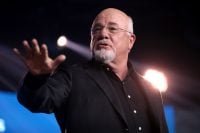
Steve Eisman Says “Incentives Trump Ethics Every Time.” The Lesson for Today’s Investors

This post may contain links from our sponsors and affiliates, and Flywheel Publishing may receive compensation for actions taken through them.

Steve Eisman, the investor known for shorting the U.S. housing market before the 2008 financial crisis, used his newest podcast episode to explain why so many professionals missed a disaster that sat in public data for years. In an episode of The Real Eisman Playbook released November 18, 2026, titled Steve Eisman Reveals the Truth About ‘The Big Short’, he said:
“The data was all there, but both the debt guys and the equity guys ignored the data. Everyone ignored the data and bought the fairy tale. They were getting paid to. Incentives trump ethics every time.”
The episode came a day after Eisman joined CNBC’s Squawk Box to discuss AI stocks on November 17. His warning reaches well beyond mortgages. For investors at or near retirement, it reminds them that a polished pitch and a sound investment can be two very different things.
What Eisman Saw While Wall Street Looked Away
Eisman says the housing call came from reading the data. “It wasn’t really us going to Vegas. It was more a case of us reading a monthly spreadsheet that nobody in the equity world wanted to pay $10,000 a year for.”
That spreadsheet tracked subprime loans “built to blow up after two years”, broken out vintage by vintage. No-doc lending surged: “By 2006, the percentage of loans that were no-doc reached around 50%.” Meanwhile, the ratings models behind triple-A mortgage bonds were wildly off. “The models assumed a subprime pool would lose maybe 7 to 10% cumulative. During the crisis, losses hit 50%.”
Why Paid Professionals Missed Risk in Plain Sight
In plain terms, lenders earned fees for making loans. Banks earned fees for packaging them into bonds. Rating agencies were paid by the issuers whose bonds they graded. Salespeople collected commissions on every sale. When everyone in the chain gets paid on volume, nobody has a reason to read the delinquency data, so a public warning goes ignored.
Eisman says regulators were blind too: “the people with the authority to stop it had less visibility into the danger than a hedge fund paying 10 grand a year for Moody’s data feed.” He also says the underlying drive never went away: “The thing that built the teaser rate mortgage didn’t disappear. It just has to find a new container every cycle, usually somewhere regulators haven’t finished building a fence around yet.”
Four Incentive Checks Retirees Should Run Now
Today’s market has its share of hype, and Eisman keeps applying the same lens. In a recent episode, he pointed to CoreWeave (NASDAQ:CRWV), mentioning that “the three founders have sold combined over $3 billion in stock” since the IPO while buying back “zero.” Watching what insiders do with their own money is one of the clearest incentive signals available (we put the same question, how to ride a mania without giving it all back, into a free handbook here: The Bubble Survivor’s Handbook). Four practical checks:
- Ask how the advisor gets paid. Commissions, a percentage of assets, or a flat fee each create different pressures. Look up any broker’s record and disclosures on FINRA BrokerCheck.
- Read the numbers first. Fee tables, surrender charges, and the risk factors in a prospectus tell you more than a brochure does. Eisman’s main lesson: “The warning was never hidden. Most of the time, if you do the digging, you can see these situations forming.”
- Distrust safety labels on complex products. A high yield, coupled with a promise of safety, deserves extra scrutiny. Triple-A ratings didn’t protect bondholders in 2008, and complex structures can hide concentrated risk.
- Watch for familiar faces with new names. Eisman noticed that early-2000s subprime lenders were often run by “the same executives of subprime 1.0. They just changed the names.” Management track records matter.
Eisman’s Lesson for Protecting a Retirement Portfolio
Eisman’s edge in 2008 came from reading the data and asking who profits when everyone else declines to look. The 1998 call that launched his reputation followed the same pattern: “I wasn’t a prophet. It wasn’t magic. I just read their numbers and their filings.”
For retirees with little time to recover from a big loss, the takeaway is to follow the money before you follow the pitch. Before you buy any product, learn who gets paid, how much they get paid, and what the numbers show. When the story sounds great, but the incentives point the other way, the incentives usually win.
Contact [email protected] for any questions or corrections.
Chris Lange is a financial and geopolitical writer with more than a decade of experience covering a myriad of topics. He has published thousands of articles for 24/7 Wall St., with past coverage focused heavily on stocks, IPOs, healthcare, defense, global affairs, and technology.
His work has been quoted, or referenced by a number of outlets including Business Insider, USA Today, Yahoo Finance, MSN, The Motley Fool, and many other publications. A graduate of Southwestern University, he studied business with a focus on investments and has previous experience in banking and startups.
When not reading or writing the news, he is following his passion for Lacrosse, playing chess, or building solar projects with his dad.