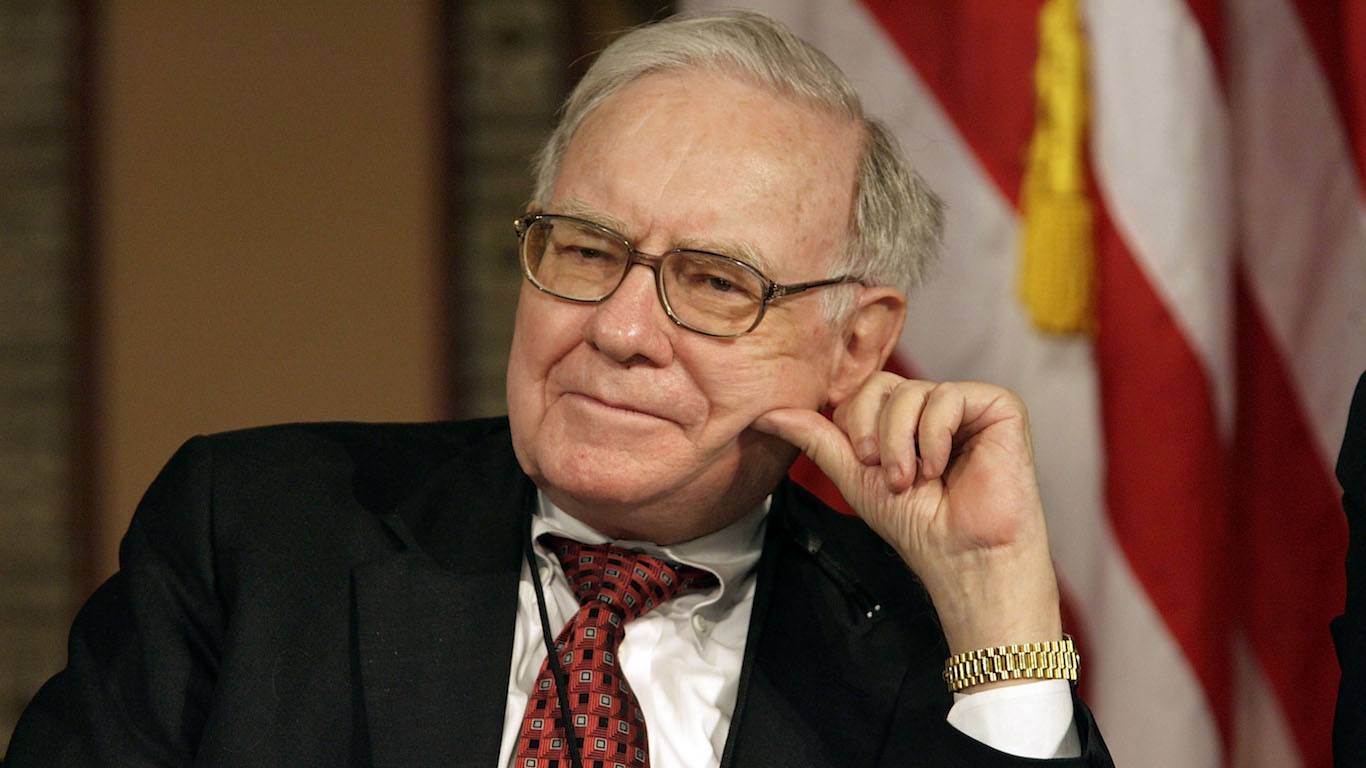
Warren Buffett’s Favorite Type of Stock Is Perfect for Patient Investors

This post may contain links from our sponsors and affiliates, and Flywheel Publishing may receive compensation for actions taken through them.
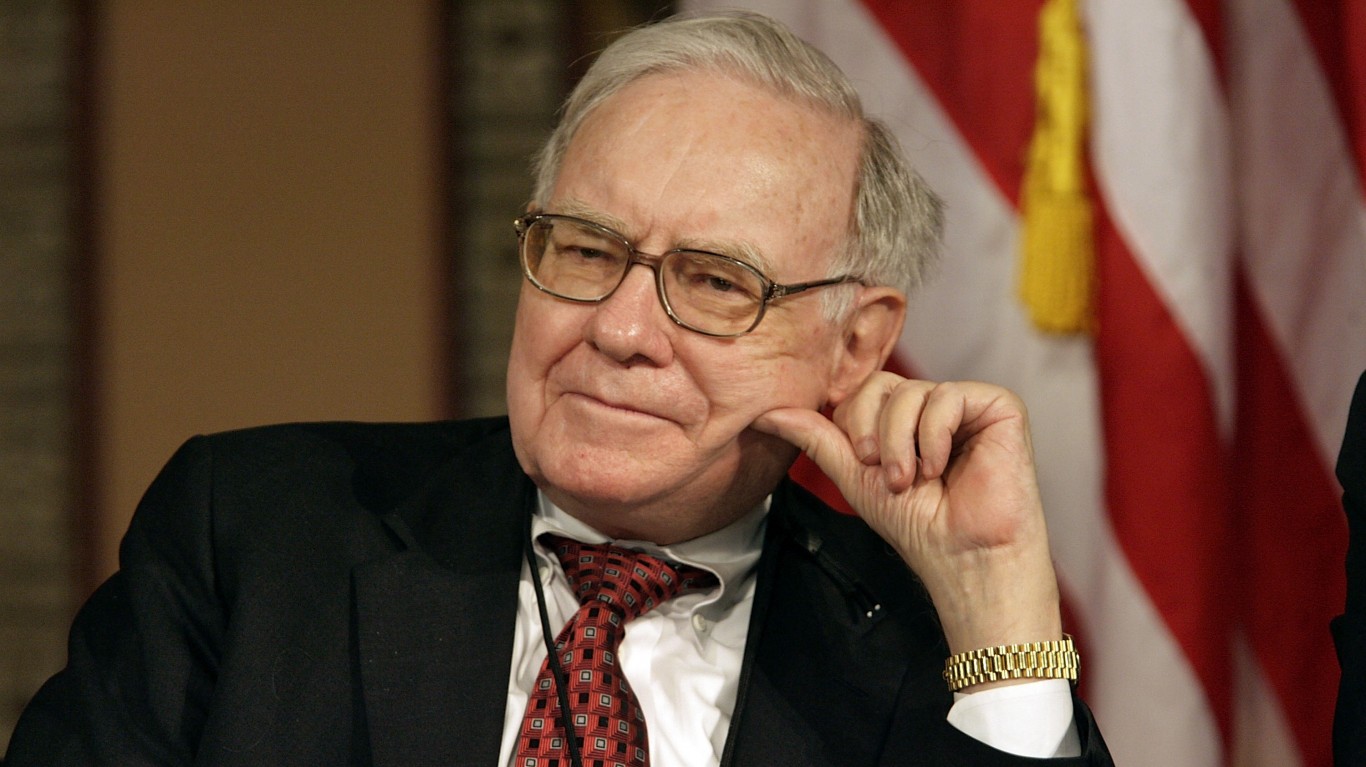
Warren Buffett has long said his favorite holding period is forever. Three stakes at Berkshire Hathaway (NYSE:BRK-B | BRK-B Price Prediction) show why that philosophy still pays off for patient investors. Berkshire’s most recent 13F, covering the quarter ended Sept. 30, and filed Nov. 16, disclosed positions in Coca-Cola (NYSE:KO), American Express (NYSE:AXP) and Moody’s (NYSE:MCO). All three businesses have grown for decades, and their latest quarterly results support the case for long-term ownership.
How Charlie Munger Turned a Bargain Hunter Into a Quality Buyer
Buffett started out buying statistically cheap stocks, or “cigar butts” with one last puff of value left in them. Charlie Munger pushed him toward a higher standard. As one Investor’s Podcast host summed up it, Munger taught Buffett that “you want to buy a wonderful business at a decent price.” The resulting checklist has guided Berkshire ever since: a durable moat, consistent profits, strong cash generation, high returns on capital, capable management and a reasonable price.
Very few companies pass that test. Investor Ian Cassel pointed out that across hundreds of positions, Buffett “today he only holds 10 that he’s held for 10 years.”
Coca-Cola Keeps Compounding 38 Years Later
In his 1996 shareholder letter, Buffett grouped Coca-Cola with a handful of companies he called “The Inevitables”. These were businesses whose global dominance he expected to last for decades. Berkshire has held the stock since 1988.
The thesis still holds up. In its Q3 report, Coca-Cola posted revenue of $13.38 billion, up 7.4% YoY[1], and global unit case volume rose 5%. Comparable operating margin expanded to 32.9% from 31.9%[1]. Management raised its full-year target for comparable EPS growth to at least 11% (from 9-10%)[1] and now expects free cash flow of at least $13.0B. The quarterly dividend has grown from $0.16 in 1999 to $0.53 in 2026. Investors are paying up for that steadiness. The shares are up 42.81% year to date and trade at about 32 times earnings.
American Express Grows Stronger as Its Customers Go Premium
Berkshire has owned American Express since 1991. Amex both issues its cards and runs the network that processes them, so it sees both sides of every transaction. That closed loop is backed by one of the strongest brands in finance. Q3 adjusted EPS of $4.68[2] beat the $4.51 estimate. Billed business reached $454 billion, up 8%[2], and the net write-off rate improved to 1.8% from 1.9%. The CFO said return on equity has risen “from an average of 25%–28% 10 years ago to around 35% more recently.”[3]
The stock is down 13.76% year to date but up 408.9% over 10 years. That gap shows why patience matters.
Moody’s Collects a Fee on Global Debt
Moody’s came to Berkshire through the 2000 spinoff from Dun & Bradstreet. Moody’s and one rival dominate credit ratings, so most large borrowers need a Moody’s rating, which works like a toll booth on the debt market. Its third quarter was weaker. Adjusted EPS of $4.14[4] missed the $4.25 estimate because high-yield transaction revenue fell 40%. Even so, investment-grade revenue rose 18%[4] on AI-related financing, and Moody’s Analytics annual recurring revenue reached $3.69 billion. The company confirmed adjusted EPS guidance of $16.50 to $17. The CEO said “Markets will ebb and flow, but the multi-year funding needs are intact.”[5]
What Retirees Can Learn From Buffett’s Patient Approach
Buffett’s approach centers on business quality, and dividends are secondary. Berkshire itself has historically kept its earnings and reinvested them instead of paying a regular dividend. For retirees, the lesson is to favor durable compounders over speculative stocks or unusually high yields that may not last. Coca-Cola yields about 2.07%, a modest payout backed by growing free cash flow. Buffett’s later letters, including the one for 2023, kept coming back to the same idea: a handful of exceptional businesses held for many years does most of the heavy lifting (we sorted Berkshire’s holdings by valuation and pulled the seven cheapest dividend payers into a free report here).
Owning individual stocks still carries company-specific risk. Moody’s quarterly miss ended a five-quarter beat streak[4], and Amex shares have fallen this year despite stronger earnings. Spreading money across many holdings protects a retirement income plan when any one compounder stumbles.
In the months ahead, Coca-Cola will issue its full 2027 guidance with fourth-quarter results. It has already identified an approximately 8% revenue headwind from acquisitions and sales next year. At Moody’s, the forecast for the speculative-grade default rate has risen to about 3.8%[4], a sign of how much stress is building in the high-yield market.
Contact [email protected] for any questions or corrections.
Joel South covers large-cap stocks, dividend investing, and major market trends, with a focus on earnings analysis, valuation, and turning complex data into actionable insights for investors.
He brings more than 15 years of experience as an investor and financial journalist, including 12 years at The Motley Fool, where he served as an investment analyst, Bureau Chief, and later led the Fool.com investing news desk. He has also co-hosted an investing podcast and appeared across TV and radio discussing market trends.