Trump Floats an Intel-Style Nvidia Stake. 10% Would Cost the Government $375 Billion

This post may contain links from our sponsors and affiliates, and Flywheel Publishing may receive compensation for actions taken through them.
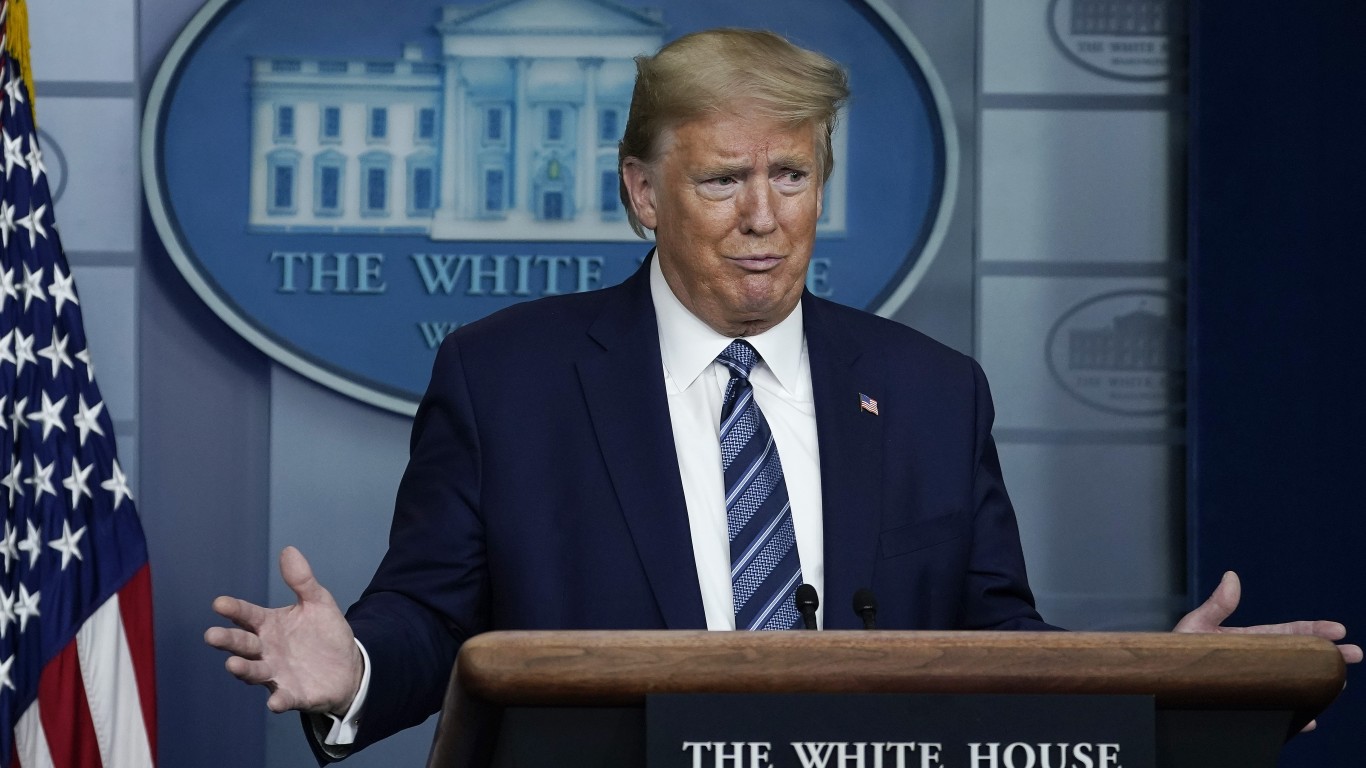
President Trump said in a New York Post interview published the evening of November 24, 2026, that the U.S. government could take an equity stake in Nvidia (NASDAQ:NVDA | NVDA Price Prediction). He said it is “probably not too late.”
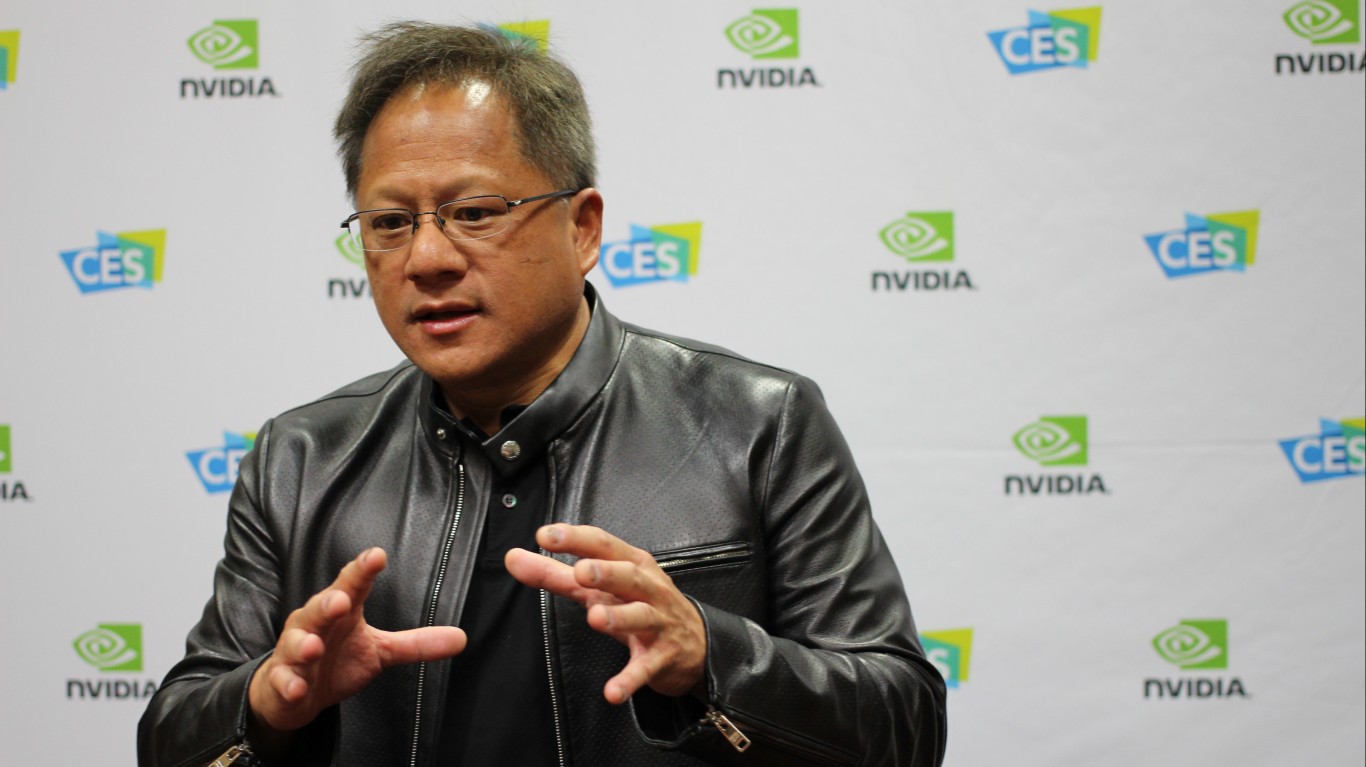
Nvidia closed that Tuesday at $155.38, down 5.86%. A day earlier, it rose 31.48% to $165.05 when its board reinstated Jensen Huang as CEO. No source links Tuesday’s fall, or the after-hours dip to $151.95, to the interview.
What Trump Said
Trump offered no proposal, size, price, or funding method, and the reports showed no contact with the company or any Nvidia statement on the idea.
He compared the idea to the government’s 2025 stake in Intel (NASDAQ:INTC) and said Nvidia’s success matters for keeping the U.S. ahead in AI. He also said he would pardon Huang if needed but did not expect that to be necessary.

How the Intel Template Worked
On August 22, 2025, the government bought 433.3 million newly issued Intel shares at $20.47 each. That was a 9.9% stake worth $8.9 billion. It was paid with $5.7 billion in CHIPS Act grants that had been awarded but not paid, plus $3.2 billion from the Secure Enclave program.
The deal turned money Intel was already owed into equity at a discount. The stake is passive, with no board seat. It also came with a five-year warrant for another 5% at $20 a share, usable only if Intel stops owning at least 51% of its foundry business.
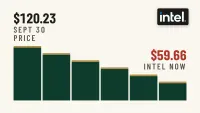
Intel closed November 24 at $54.80, down 8.15%. At that price, 433.3 million shares would be worth about $23.7 billion, though we have not confirmed the government still holds exactly that many.
What 10% of Nvidia Would Cost
We assumed a 10% stake, modeled on Intel’s 9.9%, and the dollar values below are our own calculation. Nvidia has 24.15 billion shares and a $3.75 trillion market value. That makes the stake worth about $375 billion at Tuesday’s close and about $367 billion after the close.
That is about 42 times what the Intel stake cost, and more than Intel’s entire $291.26 billion market value. Nobody has said how a stake would be priced or paid for. If Nvidia issued new shares the way Intel did, existing holders would be diluted, and a passive stake limits Washington’s control while leaving the company fully exposed to politics.
Nvidia seems to be a different case.
On August 27, 2025, Treasury Secretary Scott Bessent said a Nvidia stake was not under consideration because the company did not need financial support. Nvidia produced $43.78 billion[1] of free cash flow in its fiscal third quarter and has $227.3 billion left on its buyback authorization. Intel, by contrast, raised $23 billion[2] by selling stock in 2026, and its finance chief said it probably will not generate positive free cash flow in 2027.
What Nvidia’s Growth Means for Its Valuation
Nvidia’s fundamentals carry more weight for the stock than the stake comment. Fiscal third-quarter revenue rose 103.2%[1] to $115.84 billion, and fourth-quarter guidance is $130.0 billion, plus or minus 3%.
At a P/E of about 18x, that growth remains to be priced in. Intel’s position is weaker because its foundry lost $1.85 billion[2] in the third quarter, and the government is already a shareholder.

Keep an eye on Huang’s closed-door interview with the House Foreign Affairs Committee on Tuesday, December 1, and his Senate Banking Committee appearance on Thursday, December 3. Until a term sheet, an SEC filing, or an Nvidia statement on a stake appears, treat this as talk.
Contact [email protected] for any questions or corrections.
Omor Ibne Ehsan is a writer at 24/7 Wall St. He is a self-taught investor with a focus on growth, cyclical, and dividend equities that have strong fundamentals, value, and long-term potential. He also has an interest in high-risk, high-reward investments such as penny stocks.