XRP, Bitcoin, and Ethereum Slip as Lebanon Strikes Threaten to Unravel the Iran Ceasefire
After months of war headlines weighing on crypto, the U.S. and Iran finally signed the peace deal everyone had been waiting for this week. Crypto prices popped at first, but the moves have reversed, with XRP (CRYPTO:XRP), Bitcoin (CRYPTO:BTC), and…

This post may contain links from our sponsors and affiliates, and Flywheel Publishing may receive compensation for actions taken through them.

After months of war headlines weighing on crypto, the U.S. and Iran finally signed the peace deal everyone had been waiting for this week. Crypto prices popped at first, but the moves have reversed, with XRP (CRYPTO:XRP), Bitcoin (CRYPTO:BTC), and Ethereum (CRYPTO:ETH) down 3-4%.
The trouble started in Lebanon, where fresh Israeli strikes have hit the one front Iran insists the deal has to cover, and that has put the whole agreement in doubt just days after it was signed. XRP trades near $1.13, Bitcoin is below $63,000, and Ethereum is below $1,700.
So, is a quick wobble the market shrugs off, or the start of the same unraveling that broke the last ceasefire back in April?
Why the Lebanon Strikes Put the Iran Deal at Risk

To understand why a few airstrikes can shake a signed peace deal, you have to know what Iran agreed to. When the U.S. and Iran reached their deal last weekend, the terms included an immediate and permanent end to fighting on every front, and Iran made a point of naming Lebanon specifically. For Tehran, stopping the fighting there was part of the deal, and not a detail to be traded away later.
Israel, which is not a party to the deal, has done the opposite. It kept bombing southern Lebanon all week, even as the agreement was being signed, hitting more than a dozen sites and keeping its troops in place. Iran’s foreign minister has warned that any Israeli presence in Lebanon would count as a violation, and Lebanon’s president called the latest attacks a dangerous escalation.
For now, the deal is signed but holding by a thread. The U.S. is leaning on a fragile understanding that Israel will ease off and Hezbollah will stop firing back, but neither side has fully stood down. The deal only holds if the fighting in Lebanon stops, and it hasn’t, which is why the market no longer trusts it.
XRP, Bitcoin, and Ethereum Gave Back Their Peace-Rally Gains
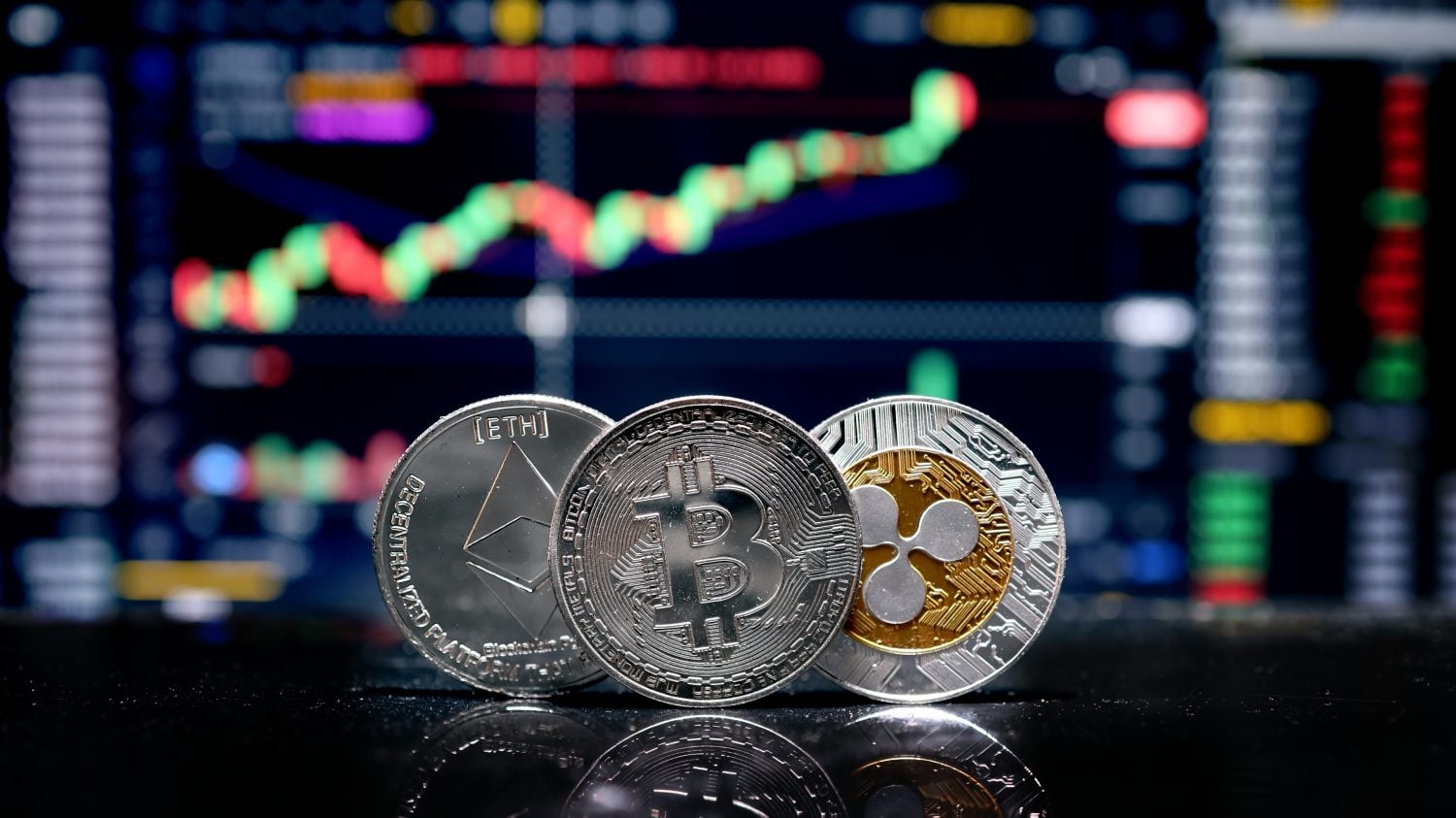
Just a few days ago, the mood around the market was imoroving. Crypto had been climbing on hopes the war was ending, and Bitcoin pushed above $67,000 on the optimism. So, the peace deal was supposed to be the moment that confirmed the recovery.
However, the whole move is now gone. Bitcoin has dropped about 7% from its $67,300 peak on June 15 and slipped under $63,000, while XRP gave back its gains to trade near $1.13 and Ethereum fell alongside both. The total crypto market shed roughly 4% in a day, sliding to about $2.24 trillion.
So, XRP, Bitcoin, and Ethereum have all dropped within the same 3% to 4% range, which is the signature of a broad risk-off move across the whole market. The selling was made worse by traders who had bet on the rally continuing, with more than $600 million in leveraged long positions wiped out in 24 hours as the price turned against them.
Why Traders Are Selling the Ceasefire News Instead of Trusting It

Normally, a peace deal like this would be good news for crypto. The agreement reopened the Strait of Hormuz, the shipping lane that carries a fifth of the world’s oil, and oil prices fell about 9% on the week as a result. Lower oil and less war risk is the textbook setup for money to flow back into the crypto market, yet this time the market did the opposite.
The reason is that traders have seen this play out before. Back in April, the U.S. and Iran announced a ceasefire that fell apart days after, undone by the same Israeli strikes in Lebanon, and everyone who bought that peace rally was underwater soon after. A signed agreement no longer feels like the end of it, but a pause that could break again, so the market is selling the risk now rather than waiting to get caught a second time.
Moreover, the Federal Reserve is not helping the mood. New Fed chair Kevin Warsh has signaled he is more worried about inflation than slow growth, which means the interest rate cuts traders were hoping for look less likely, and that keeps the pressure on cryptocurrencies, ceasefire or not.
What Happens to Crypto if the Ceasefire Holds or Breaks?
The current slide shows the market is hedging against a deal it does not yet believe—not a sign that anything is broken in crypto itself. XRP, Bitcoin, and Ethereum did not fall because of anything happening based on their own fundamentals. They fell because the peace deal the market had already priced in suddenly looked shaky, and traders moved to protect themselves.
Which way it goes from here depends on what happens in Lebanon. If the strikes stop and the ceasefire actually holds, the biggest weight on the market would lift, and the rally that started last week could pick back up. But if the strikes in Lebanon drag on, pulling the deal apart the way it did in April, we should expect more of the same selling.
Contact [email protected] for any questions or corrections.
Sam Daodu is a crypto analyst who's spent nearly a decade making blockchain understandable—no easy task when most whitepapers read like fever dreams. He writes for 24/7 Wall St., covering Bitcoin, altcoins, and crypto market analysis for investors. Before crypto, he was a tech writer (back when explaining "the cloud" was peak innovation). Since 2018, he's written for CoinTelegraph, Yahoo Finance, The Block, Cryptonews, Zypto, Rain, and more—basically anywhere people want crypto news without the headache. Sam runs MacLabs Marketing, a content agency for crypto brands tired of sounding like AI wrote their website. He also publishes free crypto education on his site for Web3 enthusiasts who think "gas fees" is a typo. When he's not writing or staring at charts, Sam's either: - Watching anime (currently convinced One Piece has better tokenomics than most altcoins) - At the gym sculpting himself into a Greek god - Listening to the music your mum warned you only bad boys listen to Connect: LinkedIn | Email | MacLabs Marketing