US Investors Can Now Trade XRP ETF Options Through Canada. Here’s How It Works
A Canadian derivatives filing just opened a regulated backdoor for US investors into XRP ETF options, and the mechanics behind the cross-border access reveal why most retail traders will still want to look elsewhere.

This post may contain links from our sponsors and affiliates, and Flywheel Publishing may receive compensation for actions taken through them.

XRP (CRYPTO:XRP) ETF options crossed into the US market this week, and no new exchange listing was involved. The Canadian Derivatives Clearing Corporation registered options on the Evolve XRP ETF and Purpose XRP ETF for sale in the United States on September 9, 2026, under a filing known as Form S-20.
The registration opened a regulated channel for eligible US investors to trade contracts that already existed in Canada. We examine how U.S. investors can trade and how the new registration favors them.
What Changed for U.S. Investors?

Before this registration, US investors who wanted XRP options exposure had only the CME’s XRP futures and options, which launched separately and settled against the CME CF XRP-Dollar Reference Rate. By comparison, XRP ETF options tied to a spot ETF were not part of that picture.
That changed with CDCC’s Form S-20 filing. Evolve XRP ETF and Purpose XRP ETF options stay listed on the Montreal Exchange and cleared by CDCC, exactly as they were before the filing. Under the new cross-border framework, eligible US investors can now buy and sell those same contracts.
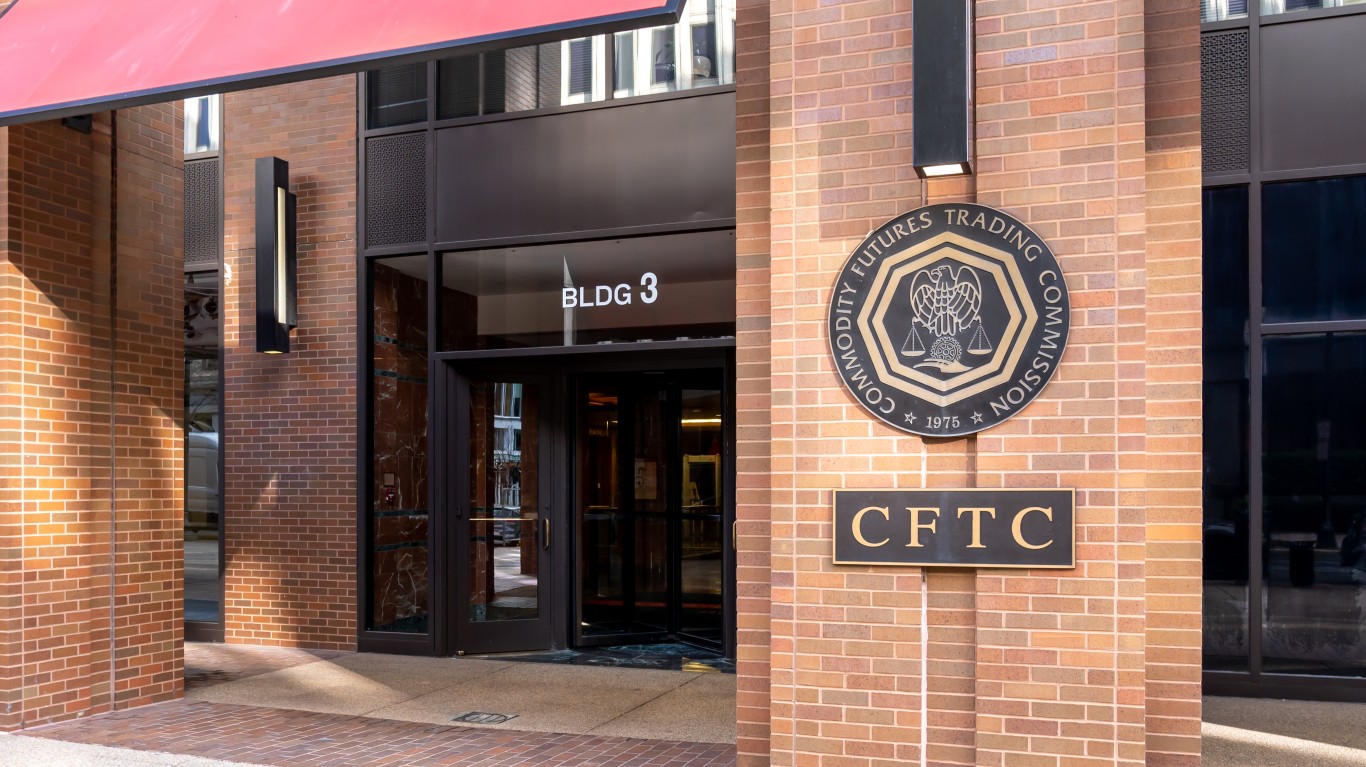
The registration was made possible after the SEC and CFTC classified XRP as a qualifying digital commodity in notices published in the Federal Register. That classification also placed XRP options in the same regulated category as options on Bitcoin, Ethereum and Solana.
Meanwhile, Evolve and Purpose have been tracking XRP through spot ETFs listed on the Toronto Stock Exchange since the summer of 2025, the first physically backed XRP ETFs in North America. For Canadian investors, both can also be held inside tax-advantaged accounts such as TFSAs and RRSPs, a detail that reflects how far ahead of Washington Ottawa moved on XRP products.
That early lead also helped Canada’s derivatives infrastructure grow alongside those ETFs rather than after them. The XRPL Canada developer hub expanded its work on the XRP Ledger through 2025 and 2026, while Canadian regulators updated the Stablecoin Act under the Bank of Canada’s oversight during the same window.
Due to the legislation, the National Bank of Canada and BMO both took positions in XRP ETFs rather than holding tokens directly, a pattern that mirrors how CDCC structured Form S-20 for US access. For Canadian investors, that infrastructure stays the same under the new filing. The key change is that Form S-20 adds a group of eligible US investors.
How Can They Trade XRP ETF Options Through Canada?

A US investor who wants XRP ETF options needs a brokerage account with access to Montreal Exchange-listed derivatives. Several US brokerages already offer that access for other Canadian contracts, so the account setup should look familiar to anyone who has traded foreign derivatives before. Eligibility follows standard options rules with margin approval, a funded account, and sign-off from the broker’s options desk.
Once approved, a call option gives the buyer the right to purchase Evolve or Purpose ETF shares at a set price before expiration, and a put gives the right to sell, the same mechanics as any exchange-listed option. Each contract references a set number of ETF shares, and the ETF itself tracks XRP’s dollar price through the CME reference rate.
Evolve and Purpose ETF shares trade in Canadian dollars, so a U.S. investor’s returns depend on XRP’s price and the CAD-USD exchange rate. A broker with Canadian market access typically handles the conversion, but the investor absorbs the cost and the swing.
Is This Better for U.S. XRP Investors?
The new route helps US investors who already have Canadian market access set up, and it does little for everyone else. The Form S-20 is simply a second regulated venue for XRP options, and not a breakthrough that changes how most US investors reach XRP.
A trader can use options to profit from an XRP move in either direction, hedge an existing position, or collect income against tokens or ETF shares already held, none of which a spot ETF alone provides. For investors who want that flexibility without holding XRP directly, Montreal Exchange options are a genuine second market to choose from.
For institutions built to clear cross-border paperwork and manage currency risk, Form S-20 gives them a legitimate second venue for XRP options. For a retail trader without that access, CME’s contracts remain the more direct route to the same underlying exposure.
Contact [email protected] for any questions or corrections.
Sam Daodu is a crypto analyst and the editor of 24/7 Wall St.'s Crypto Desk, where he covers Bitcoin, XRP, Ethereum, Solana and the altcoins investors search for most. His work focuses on price levels, spot ETF flows, on-chain data and the regulatory decisions that move crypto markets, written so a first-time buyer and a seasoned trader can both use it.
Sam has written about crypto professionally since 2019 and has published more than 2,000 articles. Before joining 24/7 Wall St., he wrote for crypto media outlets and Web3 companies and ghostwrote for crypto founders and token launches. His analysis is syndicated on Yahoo Finance, MSN and AOL and has been cited by other crypto news sites. He also founded MacLabs Marketing, a content and personal branding agency for crypto founders and executives.
When he isn't reading charts, Sam is usually at the gym or watching One Piece, a series he maintains has better tokenomics than most altcoins.